

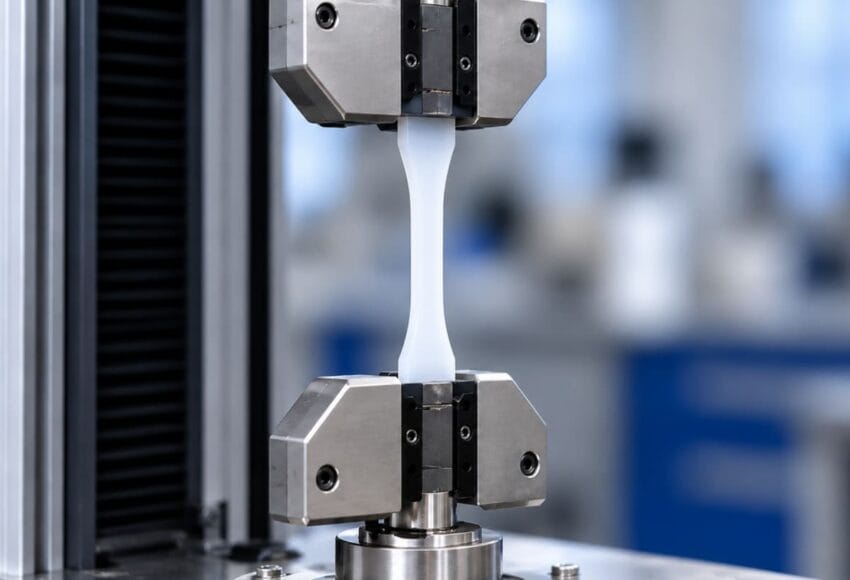
Polymer Tensile Testing: Methods, Standards & Strength
Polymer tensile testing measures how a polymer material behaves when subjected to a controlled tensile force. During the test, a prepared specimen is held in a tensile testing machine and pulled at a specified rate while force and deformation are measured. Depending on the material and applicable test method, the […]

What Is ISO/IEC 17025? Laboratory Accreditation Requirements
ISO/IEC 17025 is the international standard that specifies general requirements for the competence, impartiality, and consistent operation of testing and calibration laboratories. The current edition is ISO/IEC 17025:2017, published jointly by the International Organization for Standardization (ISO) and the International Electrotechnical Commission (IEC). The standard addresses the factors that influence […]
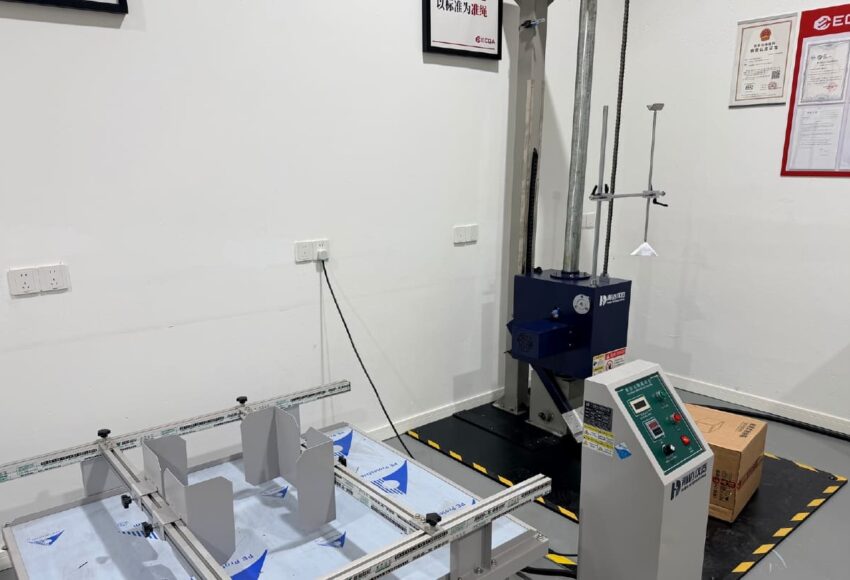
ISTA Packaging Testing: Test Procedures, Standards and Requirements
ISTA packaging testing evaluates how a packaged product performs when subjected to defined transportation and distribution test conditions. The procedures are developed by the International Safe Transit Association (ISTA) and are used to assess the performance of the product and packaging system together. Depending on the selected ISTA procedure, testing […]
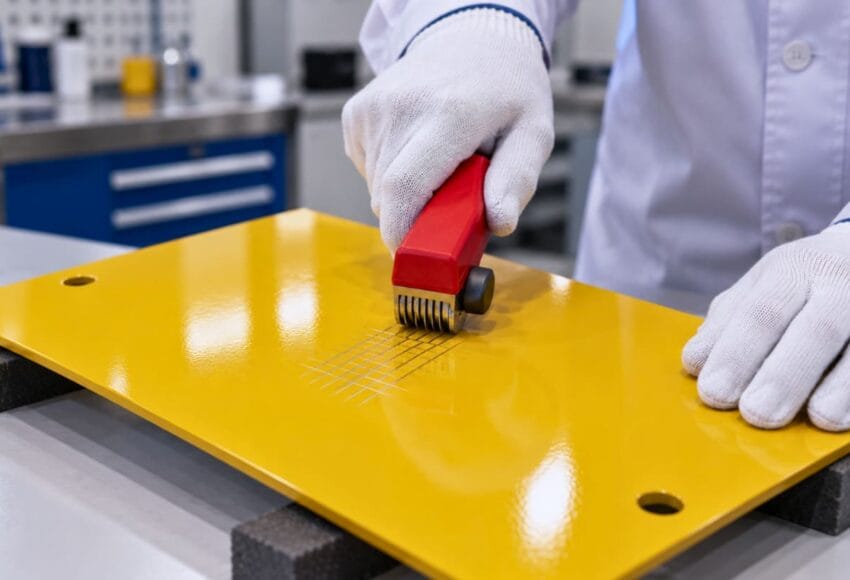
Cross-Cut Adhesion Test: Methods, Standards and Classification
A cross-cut adhesion test evaluates the resistance of a paint or coating to separation from the substrate or an underlying coating layer after a controlled pattern of cuts is made through the coating. It is commonly used for painted, powder-coated, and other coated surfaces as part of coating quality evaluation. […]
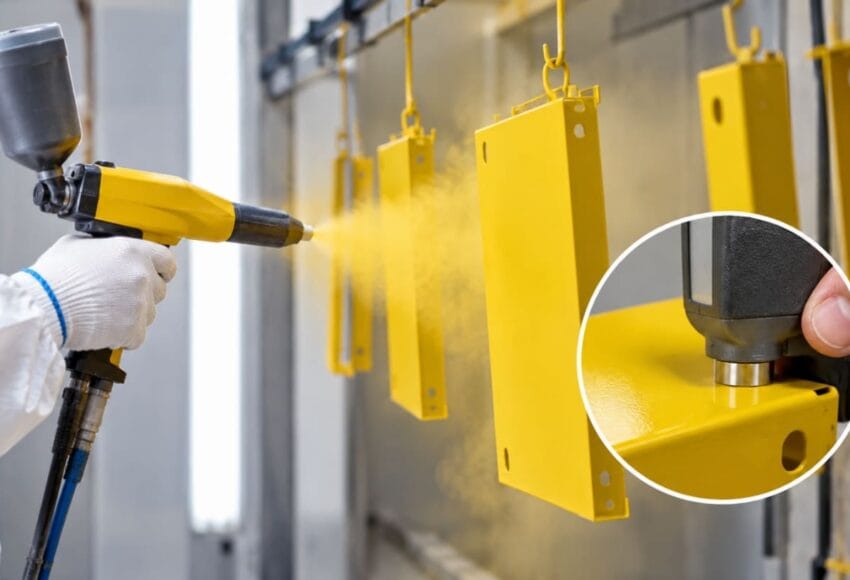
Powder Coating Thickness: How Many Microns Are Required?
Powder coating thickness refers to the thickness of the cured coating film applied to a metal surface. It is usually measured in microns (µm) or mils. Many general-purpose powder coating applications specify a thickness of 60–80 microns (µm). Confirm the required range in the applicable coating or product specification, taking […]
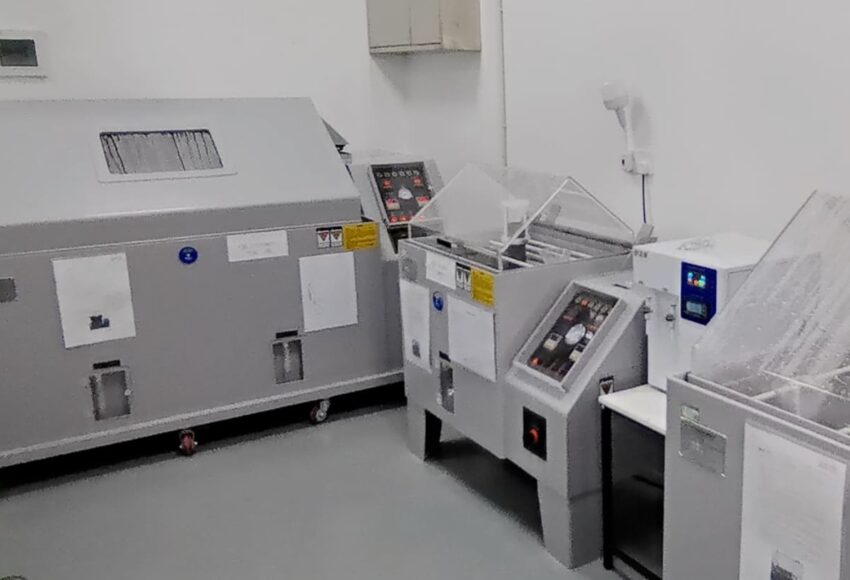
IEC 60068-2-11 Salt Mist Test for Electrical and Electronic Products
IEC 60068-2-11 specifies a salt mist test used to assess the corrosion resistance of electrotechnical products, components, equipment, materials, and protective coatings. The method, designated Test Ka: Salt mist, exposes specimens to a controlled sodium chloride mist to evaluate whether metallic materials and corrosion-protection systems maintain their comparative quality under […]
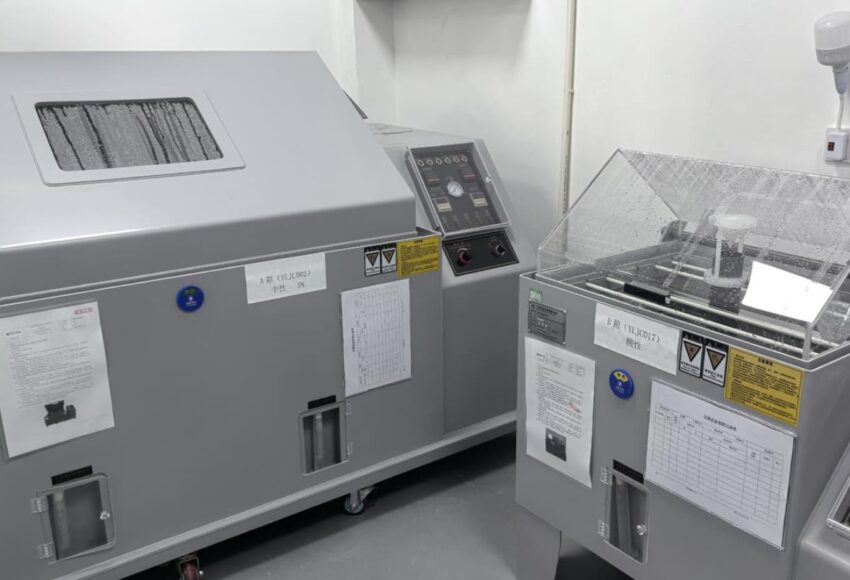
Why Products Fail Salt Spray Testing: 6 Common Reasons
A salt spray test failure occurs when a test specimen does not meet the specified corrosion resistance or acceptance criteria after exposure to a controlled salt spray environment. Failure may appear as red rust, white corrosion, blistering, peeling, corrosion creep, pitting, or other forms of coating deterioration. Salt spray testing […]

Color Fastness Testing for Textiles
Color fastness testing for textiles evaluates a fabric’s ability to retain its color under exposure to external conditions such as washing, light, rubbing, perspiration, and chemicals. It is a core quality parameter in textile manufacturing, directly linked to product durability, consumer satisfaction, and regulatory compliance. From apparel and home textiles […]
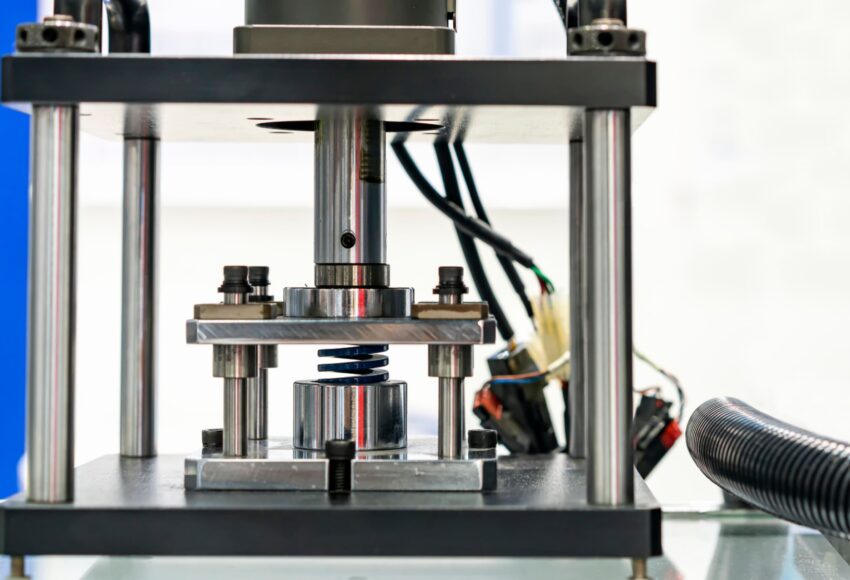
Fatigue Testing of Materials
Materials used in industrial products are frequently exposed to repeated stress during normal operation. Even when stress levels remain below a material’s ultimate strength, repeated loading can cause microscopic damage that accumulates over time. This process, known as fatigue, can eventually lead to unexpected failure. Fatigue testing evaluates how materials […]

Antimicrobial Textile Testing: Methods, Standards, and Compliance Applications
Antimicrobial textile testing is a laboratory evaluation used to assess the effectiveness of antimicrobial treatments applied to textile materials. These treatments are designed to inhibit the growth of bacteria, fungi, and other microorganisms that can cause odors, material degradation, hygiene concerns, and potential health risks. Antimicrobial finishes are widely used […]
 Request Free Sample Report