


What Should a Quality Inspection Report Include?
A quality inspection report records the condition of goods examined during an inspection. It brings together product details, inspection requirements, measurements, defect findings, test results, and photographs to show how the goods compare with the agreed specifications. A complete report helps readers identify what was checked, understand the findings, and […]
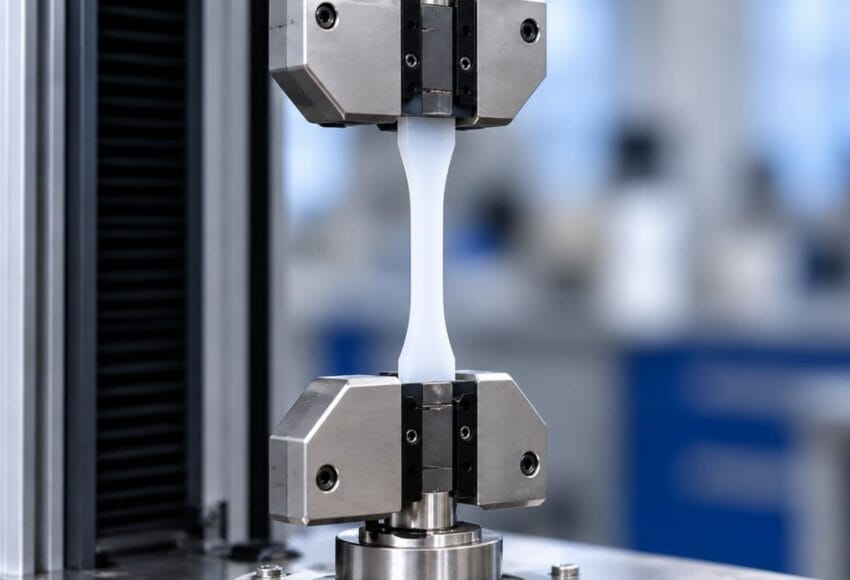
Polymer Tensile Testing: Methods, Standards & Strength
Polymer tensile testing measures how a polymer material behaves when subjected to a controlled tensile force. During the test, a prepared specimen is held in a tensile testing machine and pulled at a specified rate while force and deformation are measured. Depending on the material and applicable test method, the […]

Packaging Inspection: Complete Guide to Packaging Quality Control
Packaging inspection is the process of checking finished product packaging against approved specifications, packaging samples, artwork, purchase orders, shipping requirements, and defined quality criteria before shipment. The inspection can cover cartons, retail packaging, labels, barcodes, cushioning materials, packing methods, shipping marks, palletization, and overall packaging condition. Its purpose is to […]

100% Inspection or Sampling: How to Choose the Right Approach
Choosing between 100% inspection and sampling affects inspection costs, shipment timing, and the evidence available for a quality decision. The choice deserves particular attention when a supplier has recurring defects, a product has changed, or a failed inspection has created uncertainty about an order. Both approaches depend on clear requirements […]

Coffee Machine Quality Control: Inspection Checklist and Common Defects
Coffee machines combine heating systems, water reservoirs, pumps, brewing components, controls, electrical parts, and food-contact materials within a single appliance. Coffee machine quality control helps verify that these components are correctly assembled, function according to specifications, and meet defined quality requirements before shipment. Quality inspections may cover espresso machines, capsule […]
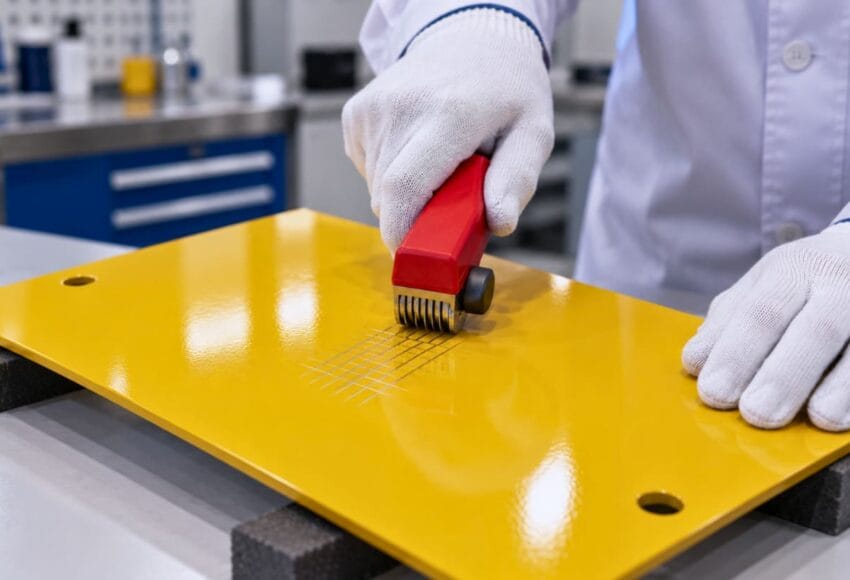
Cross-Cut Adhesion Test: Methods, Standards and Classification
A cross-cut adhesion test evaluates the resistance of a paint or coating to separation from the substrate or an underlying coating layer after a controlled pattern of cuts is made through the coating. It is commonly used for painted, powder-coated, and other coated surfaces as part of coating quality evaluation. […]

Squishy Toy Quality Control: Inspection Checklist and Safety Requirements
Squishy toys are soft, squeezable toys commonly made from polyurethane (PU) foam or other flexible materials designed to compress and gradually return to their original shape. Their quality depends on foam consistency, shape recovery, surface finishing, printing, durability, and compliance with applicable toy safety requirements. Squishy toy quality control can […]

What Inspection Results Tell You About Your Suppliers
Inspection results provide documented evidence of how goods meet agreed requirements at a particular production stage. Reviewed across orders, they can help assess a supplier’s quality consistency, preparation for inspection, and response to identified problems. A shipment may pass after sorting and rework. The final result supports a decision about […]
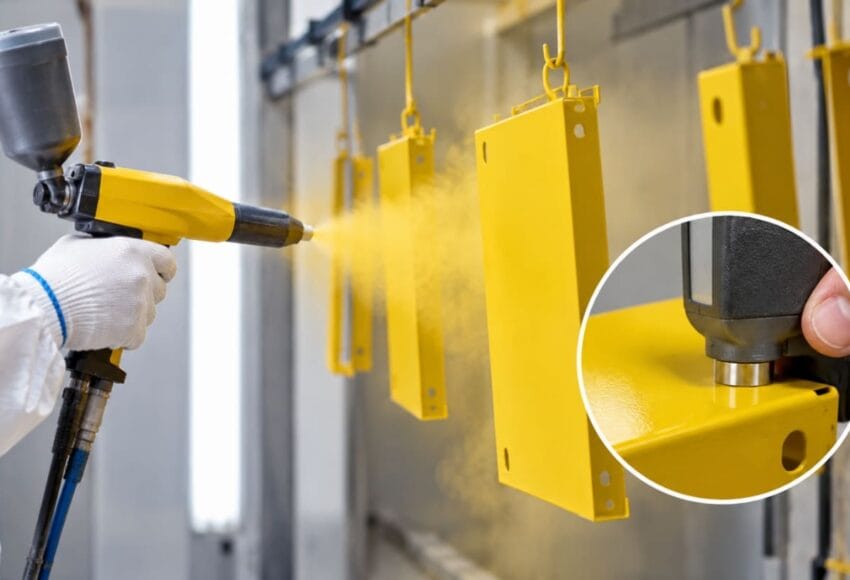
Powder Coating Thickness: How Many Microns Are Required?
Powder coating thickness refers to the thickness of the cured coating film applied to a metal surface. It is usually measured in microns (µm) or mils. Many general-purpose powder coating applications specify a thickness of 60–80 microns (µm). Confirm the required range in the applicable coating or product specification, taking […]
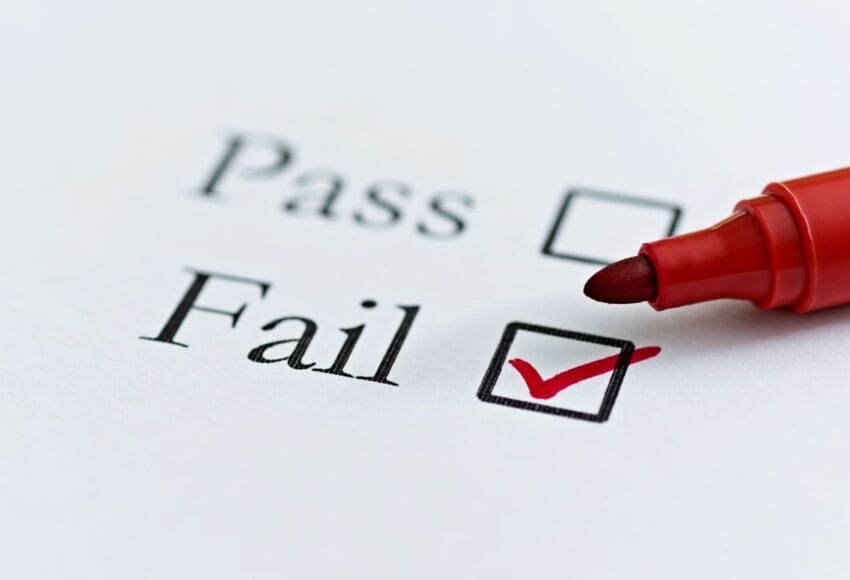
From Failed Inspection to Closed CAPA
A failed inspection identifies goods that do not meet agreed acceptance requirements. Where the findings indicate a significant or recurring problem, corrective and preventive action (CAPA) provides a structured process for investigating causes, implementing improvements, and verifying their effectiveness. The immediate priority is often to correct the goods and protect […]
 Request Free Sample Report