Food Inspection: Quality Control Process and Checklist
Food inspection is the systematic evaluation of food products during production, before shipment, or during loading to verify their quality, condition, quantity, packaging, labeling, storage conditions, and conformity with agreed specifications. The inspection scope depends on the type of food, production stage, buyer requirements, destination market, and identified quality risks.
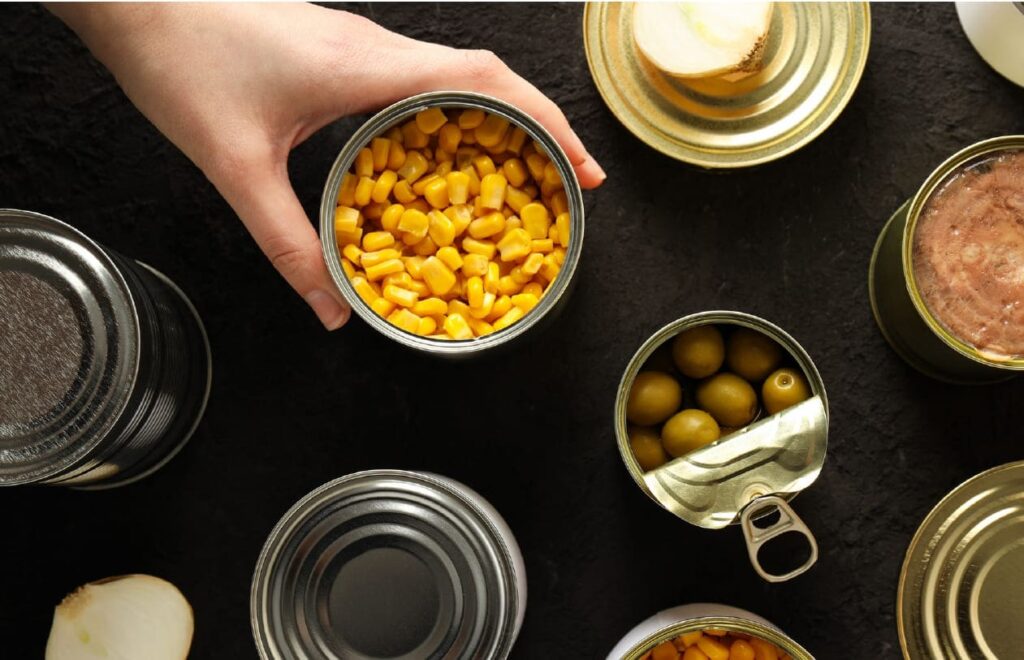
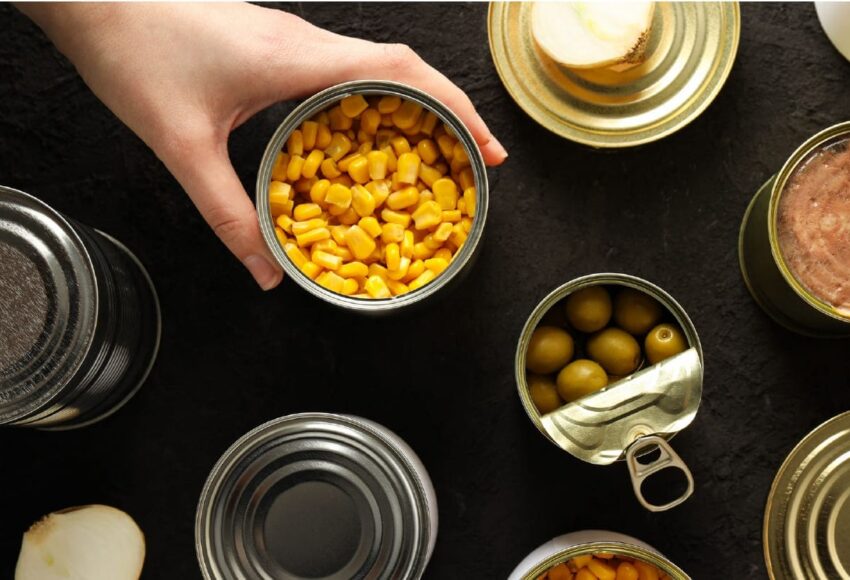
Food products can change in condition throughout production, storage, and transportation. Fresh produce may develop bruising or decay, frozen foods can be affected by temperature deviations, packaged foods may have sealing or labeling defects, and bulk products can vary in weight, appearance, or other specified characteristics.
A structured food inspection provides documented information about the condition of the goods at a defined point in the supply chain. Inspection findings can then be used to evaluate shipment quality, identify defects, and determine whether corrective action is required before the goods move to the next stage.
What is Food Inspection?
Food inspection involves checking food products and their packaging against defined requirements.
Depending on the inspection scope, inspectors may evaluate:
- Product appearance and condition
- Quantity
- Unit and net weight
- Size and grading
- Product specifications
- Packaging condition
- Seal integrity
- Labels and date codes
- Storage conditions
- Temperature where applicable
- Visible contamination or foreign matter
- Export carton condition
- Shipping marks
- Loading conditions
The exact checklist should be prepared according to the product.
A fresh fruit shipment, for example, requires different inspection criteria from canned food, frozen seafood, bottled beverages, packaged snacks, or dry food ingredients.
Inspection requirements should therefore be based on the actual product specifications and identified quality risks instead of using the same checklist for every food category.
Why Food Inspection is Important
Food products can be affected by quality problems at several stages of the supply chain.
Raw materials can arrive outside specification. Processing can create inconsistencies between production batches. Packaging may be damaged or incorrectly sealed. Labels can contain incorrect information. Storage conditions can affect product quality before shipment.
For importers and buyers sourcing from overseas suppliers, these problems can be difficult to identify once the shipment has already left the factory or packing facility.
Food inspection provides an opportunity to examine the goods before or during shipment.
Depending on the scope, inspection can help identify:
- Deteriorated or damaged products
- Incorrect quantities
- Weight deviations
- Packaging defects
- Broken or incomplete seals
- Incorrect labels
- Missing date codes
- Product variation
- Improper storage conditions
- Damaged export cartons
- Loading problems
The inspection results provide documented information that can be reviewed before shipment decisions are made.
Food Inspection Process
A food inspection normally begins with a review of the inspection requirements and product specifications.
The inspector then verifies the available goods, selects samples where applicable, performs the required checks, records defects and measurements, takes photographs, and prepares an inspection report.
1. Review Product Requirements
Before inspection begins, the inspection scope should be established.
Relevant information may include:
- Product name
- SKU or item number
- Product specifications
- Approved sample
- Quantity
- Unit weight
- Pack size
- Size or grade requirements
- Packaging specifications
- Label artwork
- Date-code requirements
- Storage requirements
- Buyer acceptance criteria
The inspection checklist should reflect the characteristics that can be evaluated at the inspection location.
2. Verify Production and Available Quantity
The inspector confirms the production status and quantity available for inspection.
This helps determine whether the order has reached the required stage for the scheduled inspection.
For a pre-shipment inspection, for example, the goods should be sufficiently complete and packed for the finished products and shipment packaging to be evaluated.
3. Select Inspection Samples
Where sampling is used, samples are selected from the available lot according to the agreed inspection plan.
The sampling approach depends on the product, lot size, inspection scope, buyer requirements, and applicable sampling criteria.
Some checks may be performed across a selected sample, while others may require different sample quantities or specific units.
4. Perform Product and Packaging Checks
The inspector evaluates the selected samples against the approved requirements.
Checks may include visual examination, measurements, weighing, packaging verification, label checks, temperature checks, and other on-site evaluations appropriate to the product.
5. Record Defects and Findings
Any deviations from the agreed requirements are documented.
The report may include:
- Defect descriptions
- Quantities affected
- Measurements
- Weight results
- Temperature readings
- Packaging observations
- Label findings
- Photographs
- General production or storage observations
The findings should be sufficiently clear for the buyer or responsible quality team to understand what was observed during inspection.
6. Issue the Food Inspection Report
After the inspection is completed, the results are compiled into an inspection report.
The report provides a record of the goods examined, checks performed, findings observed, and supporting photographs or measurements.
Food Inspection Checklist
The inspection checklist should be adapted to the food category and agreed product specifications.
A typical food inspection checklist may include the following areas:
| Inspection Area | Typical Checks |
| Product identity | Product name, SKU, variety, batch or lot |
| Quantity | Order quantity, carton quantity, units per carton |
| Appearance | Color, shape, size, visible condition |
| Product quality | Freshness, consistency, visible defects |
| Weight | Unit weight, net weight, pack weight |
| Size and grading | Dimensions, size range, grade where applicable |
| Packaging | Condition, material, packing method |
| Seals | Seal integrity, leakage, closure condition |
| Labels | Product information, barcode, approved artwork |
| Date codes | Production date, expiration date, best-before date |
| Storage | Temperature, cleanliness, product organization |
| Export cartons | Carton condition, quantity, shipping marks |
| Visible contamination | Foreign matter, visible mold, pest activity where observable |
| Loading | Quantity, carton condition, container condition |
Additional checks should be added where required by the product specifications.
Product Appearance and Condition
Visual condition is an important part of many food quality inspections.
The characteristics evaluated depend on the product.
Typical checks may include:
- Color
- Shape
- Size
- Texture
- Uniformity
- Freshness
- Surface condition
- Visible deterioration
- Foreign matter
- Visible mold
- Damage
- Product consistency
For manufactured food products, inspectors may compare appearance against approved samples, photographs, specifications, or other agreed references.
For natural agricultural products, greater variation may be expected. The applicable grading and acceptance criteria should therefore be defined before inspection.
Quantity, Weight, and Product Specifications
Quantity and weight discrepancies can create commercial problems even when the food itself is in acceptable condition.
Inspectors may verify:
- Total available quantity
- Number of cartons
- Units per carton
- Unit weight
- Net weight
- Pack size
- Product dimensions where applicable
- Variety
- Grade
- Batch or lot identification
Weight checks should be evaluated against the agreed specifications and tolerances.
The inspection can also identify inconsistencies between the physical goods, purchase order, packaging, and product information.
Packaging and Seal Integrity
Food packaging protects products during storage, handling, and transportation.
Packaging defects can expose products to leakage, contamination, moisture, physical damage, or deterioration.
Inspectors may check:
- Retail packaging
- Bottles
- Jars
- Cans
- Pouches
- Trays
- Bags
- Inner packaging
- Master cartons
- Protective materials
- Palletized loads
Common packaging defects include:
- Torn packaging
- Punctures
- Leakage
- Broken seals
- Loose closures
- Dented containers
- Crushed boxes
- Wet cartons
- Incorrect packing configuration
- Damaged labels
Seal condition is particularly important for products where package integrity contributes to product protection.
Inspection can identify visible seal defects and inconsistencies. Specialized package-integrity performance requirements may require separate testing.
Food Label Inspection
Food labels can be checked during inspection against the approved artwork, product specifications, and other defined requirements.
Typical checks include:
- Product name
- Ingredient information
- Allergen information
- Nutrition information
- Net quantity
- Country of origin
- Manufacturer or importer information
- Storage instructions
- Production date
- Expiration or best-before date
- Batch or lot number
- Barcode
- Required warnings
- Label position
- Print quality
The exact information required on a food label depends on the product and destination market.
During factory inspection, the inspector can verify whether the labels applied to production goods match the approved reference provided for inspection.
Regulatory review of the legal accuracy of food labels is a separate compliance activity and should be performed according to the applicable destination-market requirements.
Date Code and Traceability Checks
Production dates, expiration dates, best-before dates, and lot codes are important product identification and traceability elements.
Inspection may verify:
- Presence of the required code
- Code location
- Legibility
- Consistency across samples
- Correct format
- Agreement with approved information
- Batch or lot identification
Missing, unreadable, or inconsistent date codes should be recorded in the inspection findings.
Where traceability requirements are included in the inspection scope, batch information can also be compared with available production or packaging information.
Storage and Handling Conditions
The condition of food before shipment can be affected by the environment in which it is stored.
Depending on the inspection scope and facility, inspectors may observe:
- Storage temperature
- Warehouse cleanliness
- Product organization
- Product segregation
- Packaging exposure
- Visible pest activity
- Cold-storage conditions
- Carton condition
- General handling conditions
These observations provide information about conditions visible at the time of inspection.
Inspection of storage conditions does not replace a food safety management system, continuous temperature monitoring, or other controls required for the product.
Temperature Checks for Food Products
Temperature is particularly relevant to chilled, frozen, and other temperature-sensitive foods.
Where temperature verification is included in the inspection scope, checks may include:
- Product temperature
- Cold-storage temperature
- Loading-area conditions
- Container temperature where applicable
- Available temperature records where included in the scope
The required temperature range should be established according to the product specification and applicable requirements.
A single temperature measurement represents the condition observed at the time and location of measurement. Continuous cold-chain performance requires appropriate monitoring throughout storage and transportation.
Common Food Quality Defects
Food quality defects vary significantly by product category.
Some commonly identified issues include:
| Defect | Example |
| Damaged packaging | Torn, crushed, punctured, or leaking packaging |
| Seal defect | Incomplete, open, weak, or visibly damaged seal |
| Incorrect label | Wrong or missing label information |
| Date-code problem | Missing, illegible, or incorrect code |
| Weight deviation | Product weight outside agreed tolerance |
| Quantity discrepancy | Shipment quantity differs from the order |
| Appearance variation | Color, shape, or condition differs from specification |
| Deterioration | Visible decline in product condition |
| Foreign matter | Unwanted visible material |
| Visible mold | Observable mold on the product or packaging |
| Carton damage | Wet, crushed, torn, or damaged export cartons |
| Incorrect packing | Wrong quantity or configuration inside packaging |
Defects should be evaluated according to the product specifications and agreed acceptance criteria.
Food Inspection Sampling
Large food orders may contain thousands of individual units or packages, making inspection of every unit impractical for many inspection scopes.
Sampling can be used to select units from the production lot for evaluation.
The appropriate sampling plan depends on factors such as:
- Lot size
- Product type
- Inspection objective
- Buyer requirements
- Risk level
- Defect classification
- Agreed sampling standard
Where an acceptance sampling standard is used, the inspection plan should define the applicable sample size and acceptance criteria.
Sampling inspection provides information about the inspected sample and supports lot-level acceptance decisions according to the agreed plan. It does not mean that every unit in the shipment has been individually examined.
Food Inspection vs Laboratory Testing
Food inspection and food laboratory testing evaluate different aspects of product quality and compliance.
Inspection focuses primarily on characteristics that can be evaluated at the production, storage, or loading location.
These can include:
- Appearance
- Condition
- Quantity
- Weight
- Dimensions
- Packaging
- Labels
- Date codes
- Visible defects
- Storage conditions
- Loading condition
Laboratory testing is required when a characteristic cannot be reliably evaluated through visual examination or basic on-site checks.
Depending on the food category and applicable requirements, laboratory testing may include:
- Microbiological testing
- Pesticide residue testing
- Heavy metal testing
- Mycotoxin testing
- Chemical contaminant testing
- Nutritional analysis
- Allergen testing
- Food additive testing
The required tests depend on the food product, ingredients, destination market, applicable regulations, and buyer requirements.
Inspection findings and laboratory results can therefore provide different types of information within the same food quality control program.
Types of Food Inspection
Food inspection can be performed at different stages of production and shipment.
The appropriate stage depends on the product, supplier, production process, and quality risks.
Pre-Production Inspection
A Pre-Production Inspection (PPI) is performed before or around the beginning of production.
For food products, the agreed scope may include checks of:
- Raw materials
- Ingredients
- Packaging materials
- Labels
- Production readiness
- Available specifications
PPI can be useful when material or packaging requirements need to be verified before full production proceeds.
During Production Inspection
A During Production Inspection (DUPRO) is conducted while production is underway.
The inspection provides information about goods being produced and can identify quality deviations before the complete order is finished.
Checks may include:
- Product appearance
- Weight
- Size or grade
- Packaging
- Labels
- Production consistency
- Visible defects
Issues identified during production can then be reviewed while additional units are still being manufactured.
Pre-Shipment Food Inspection
A Pre-Shipment Inspection (PSI) evaluates finished goods before shipment.
For ECQA inspections, PSI is normally scheduled when 100% of production is complete and at least 80% of the goods are packed.
The inspection may cover:
- Finished product condition
- Quantity
- Weight
- Packaging
- Labels
- Date codes
- Carton condition
- Shipping marks
- Agreed on-site checks
PSI is particularly useful when the buyer needs an independent record of shipment quality before goods leave the supplier.
Container Loading Supervision
Container Loading Supervision (CLS) is performed while the shipment is being loaded.
The scope may include:
- Container condition
- Product and carton identification
- Loading quantity
- Packaging condition
- Loading process
- Container seal
- Photographic records
For food shipments, the loading environment and container condition can be particularly important where goods are sensitive to contamination, moisture, damage, or temperature.
Fresh Produce Inspection
Fresh fruits and vegetables require inspection criteria that reflect their natural variability and sensitivity to storage and transportation.
A fresh produce inspection may evaluate:
- Freshness
- Ripeness
- Color
- Size
- Grading
- Shape
- Bruising
- Cuts
- Decay
- Visible mold
- Pest damage
- Foreign matter
- Weight
- Packaging
- Ventilation
- Storage temperature
- Carton condition
Quality specifications should define the applicable grade, size range, defect tolerances, and other acceptance criteria.
This is particularly important because characteristics such as size, color, and appearance naturally vary between individual pieces of produce.
Frozen and Chilled Food Inspection
Frozen and chilled products require additional attention to product and storage conditions.
Depending on the inspection scope, checks may include:
- Product condition
- Packaging integrity
- Seal condition
- Temperature
- Date codes
- Carton condition
- Visible signs of thawing or damage
- Storage conditions
- Product identification
- Quantity
The specified storage and product temperature requirements should be provided before inspection.
Where cold-chain history needs to be evaluated, continuous monitoring records or data loggers may be required in addition to point-in-time inspection measurements.
Packaged Food Inspection
Packaged foods can include snacks, dry foods, canned products, bottled products, sauces, beverages, confectionery, cereals, and many other processed products.
Inspection criteria commonly include:
- Product appearance
- Unit quantity
- Unit weight
- Packaging condition
- Seal integrity
- Closure condition
- Label accuracy against approved artwork
- Date codes
- Batch numbers
- Barcode
- Inner packing
- Master cartons
- Shipping marks
For products sold directly to consumers, retail packaging consistency is often an important part of the inspection.
Bulk Food Inspection
Bulk food products require inspection criteria suited to the product and shipment format.
Depending on the product, inspection may cover:
- Product identity
- Quantity
- Weight
- Appearance
- Grade
- Visible condition
- Packaging or container condition
- Batch identification
- Storage conditions
- Sampling arrangements
Where chemical, microbiological, compositional, or contaminant characteristics need to be verified, appropriate sampling and laboratory analysis may be required.
Food Inspection Report
A food inspection report records what was examined and the findings observed during the inspection.
A typical report may include:
- Supplier or facility information
- Product identification
- Order information
- Production status
- Quantity available
- Sample information
- Inspection checklist
- Product findings
- Defects
- Weight measurements
- Temperature readings where applicable
- Packaging findings
- Label and date-code findings
- Carton condition
- Photographs
- Overall inspection result according to the agreed criteria
Photographs are particularly useful for documenting product appearance, packaging defects, labels, date codes, storage conditions, and shipment preparation.
The report should allow the responsible quality team to understand the condition of the inspected goods without relying only on a pass or fail statement.
How Food Inspection Fits Into Food Quality Control
Food quality control can involve controls at several stages, including raw material management, supplier controls, production monitoring, laboratory testing, storage management, product inspection, and shipment controls.
Food inspection provides a physical assessment of the goods at a particular production or shipment stage.
Laboratory testing can provide additional information about characteristics that require microbiological, chemical, nutritional, or other analytical evaluation.
The appropriate combination depends on the food product, production process, destination market, buyer requirements, and identified risks.
Food inspection requirements should be defined according to the product, production stage, quality specifications, storage conditions, and shipment risks. A product-specific checklist, clear acceptance criteria, appropriate sampling, and documented inspection findings provide a consistent basis for evaluating food quality before shipment.

 Request Free Sample Report