
Container Loading Supervision Process: Step-by-Step Inspection Checklist
Container Loading Supervision (CLS) is an on-site quality control inspection conducted during the loading of goods into a shipping container. The inspection focuses on verifying cargo condition, container condition, loading quantity, loading methods, packaging status, and container sealing before shipment departure.
As part of supply chain quality control, container loading supervision provides independent verification that goods are loaded according to defined shipping, handling, and customer requirements. It supports shipment accuracy, helps reduce loading-related risks, and provides documented evidence of container condition and loading activities at the time of dispatch.
What Is the Container Loading Supervision Process
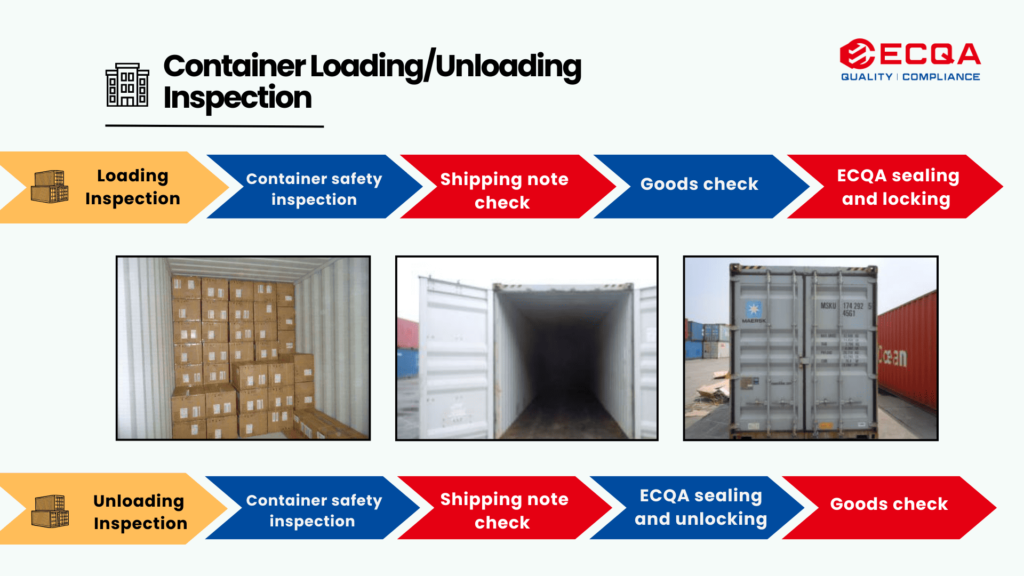
Container loading supervision (CLS) is performed during the physical loading of goods into a container. The process follows a defined sequence to verify that products are handled correctly and that loading conditions meet shipment and regulatory requirements.
The process typically includes:
- Pre-loading inspection of goods and packaging
- Container condition verification
- Supervision of loading and cargo arrangement
- Container sealing and documentation
Each step is designed to prevent errors before goods leave the facility.
Step-by-Step Container Loading Supervision Process
Step 1: Pre-Loading Inspection
Before loading begins, inspectors verify that the products and packaging meet order specifications and quality requirements.
Key checks include:
- Product quantity and SKU verification
- Packaging condition and integrity
- Labeling accuracy and compliance
- Identification of visible defects or inconsistencies
This step ensures that only acceptable goods proceed to loading.
Step 2: Container Condition Check
The container is inspected to confirm it is suitable for transporting the goods.
Inspectors verify:
- Clean and dry interior condition
- Structural integrity, including walls, floor, and door seals
- Absence of holes, rust, or damage
- No signs of pests or contamination
A defective container can compromise the entire shipment, making this step essential.
Step 3: Loading Supervision
During loading, inspectors monitor how goods are placed inside the container to ensure proper handling and arrangement.
Focus areas include:
- Even weight distribution to maintain balance
- Correct stacking to prevent crushing or damage
- Proper use of securing materials such as straps, airbags, or bracing
- Separation of incompatible or fragile items
This step reduces the risk of cargo shifting or damage during transit.
Step 4: Container Sealing and Documentation
After loading is completed, inspectors verify sealing and record key shipment details.
This includes:
- Confirming container seal application
- Recording seal numbers for traceability
- Documenting loading time and final condition
- Capturing photographic and video evidence
Proper sealing helps prevent tampering and ensures shipment integrity.
Container Loading Supervision Checklist
A structured checklist is used to ensure consistency during inspection.
Typical checklist items include:
- Product quantity and SKU accuracy
- Packaging condition and labeling
- Container cleanliness and condition
- Loading method and cargo arrangement
- Weight distribution and securing
- Container seal verification
- Documentation completeness
This checklist supports standardized inspection and reliable reporting.
What Inspectors Verify During Loading
During the loading process, inspectors focus on key risk areas that affect shipment quality and compliance.
These include:
- Whether goods match the purchase order
- Whether packaging protects the product during transit
- Whether the container environment is suitable
- Whether loading methods prevent damage
- Whether the shipment meets applicable requirements
This verification provides a clear assessment of shipment readiness.
Common Issues Identified During Container Loading
Container loading supervision often identifies issues that may not be visible before loading begins.
Common problems include:
- Improper weight distribution, which can affect stability during transport.
- Incorrect stacking, leading to product damage.
- Missing or incorrect products due to loading errors.
- Use of damaged or unsuitable containers.
- Insufficient securing, increasing the risk of cargo movement.
Early identification allows corrective action before shipment departure.
ECQA Real-Time Reporting in CLS
Modern container loading supervision includes real-time reporting to improve visibility and control.
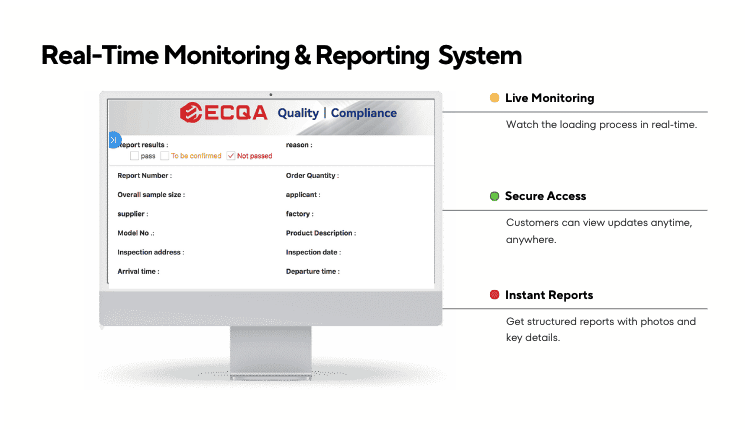
Inspectors provide:
- Immediate updates during loading
- Photographic evidence of key stages
- Documentation of issues and corrective actions
This allows stakeholders to monitor loading remotely and respond quickly if problems arise.
Compliance Verification in the Loading Process
Container loading must align with shipping and regulatory requirements.
During the process, inspectors verify:
- Weight limits and load distribution
- Packaging and labeling requirements
- Handling of sensitive or regulated goods
- Container sealing and security
These checks help reduce the risk of shipment delays, rejection, or penalties.
How the CLS Process Supports Quality Control
The container loading supervision process complements other inspection activities in the supply chain.
While pre-shipment inspection verifies product quality, CLS ensures that the same products are loaded correctly and protected during transport.
Together, these controls provide a more complete approach to quality assurance.
The container loading supervision process provides a structured method for verifying how goods are prepared and loaded before shipment.
By following defined steps, including pre-loading inspection, container verification, supervised loading, and sealing documentation, the process helps reduce risks related to damage, incorrect loading, and non-compliance. Each stage contributes to shipment accuracy and provides traceable records that support decision-making.

 Request Free Sample Report