
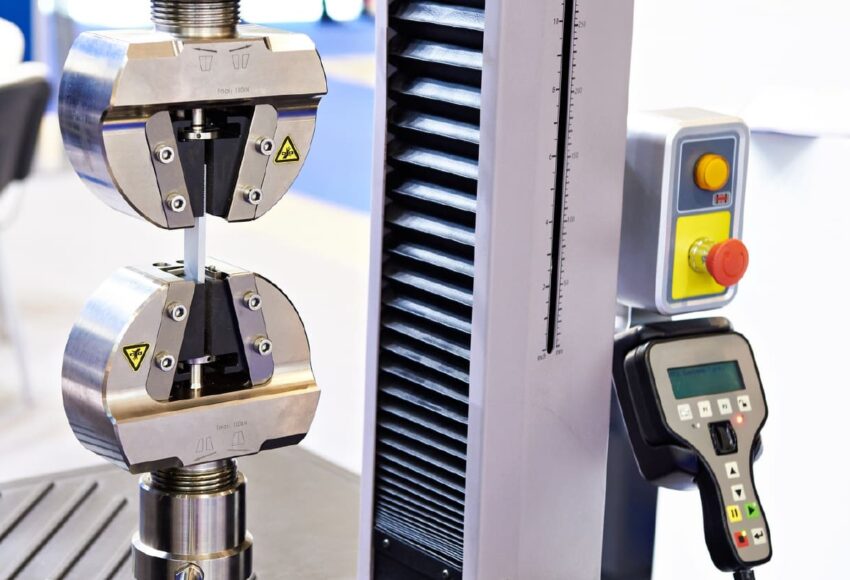
Metal Tensile Strength Testing
Metal tensile strength testing is a mechanical evaluation method used to determine how a metal material responds to controlled tensile force until deformation and fracture occur. It provides measurable data on strength, ductility, and structural performance, which are critical for verifying whether metal components meet engineering, safety, and compliance requirements.
In industrial production and global sourcing, tensile testing is widely used to support material qualification, supplier validation, and product approval decisions.
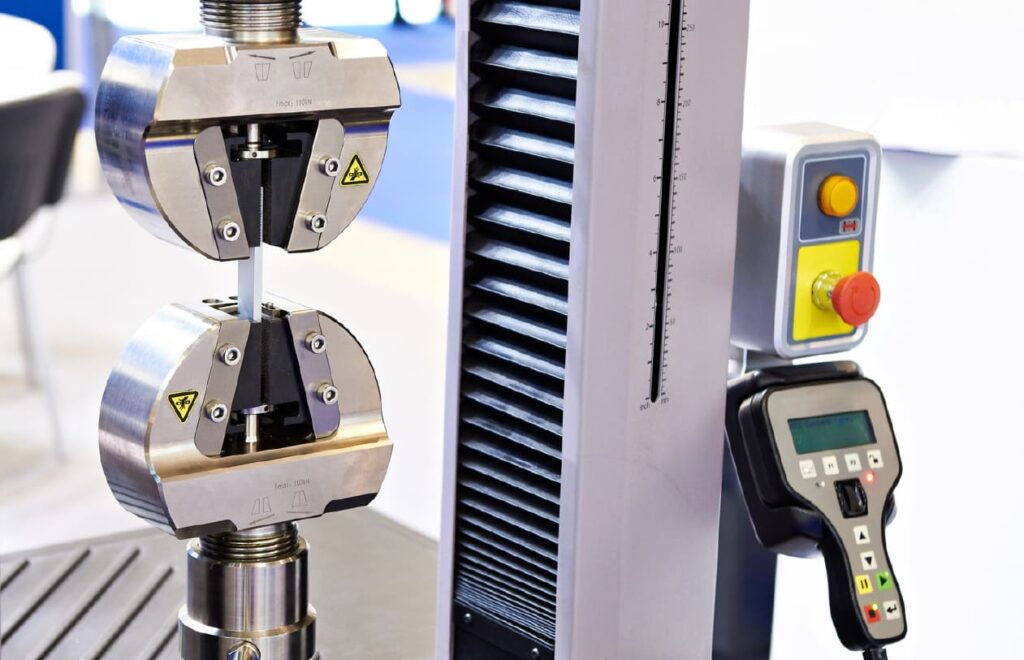
What Metal Tensile Strength Testing Measures
Metal tensile testing focuses on how a material behaves under uniaxial tension. The test produces a stress-strain profile that reflects both elastic and plastic deformation stages.
Key performance indicators include:
- Ultimate tensile strength (UTS): Maximum stress the material can withstand before fracture
- Yield strength: Stress level at which permanent deformation begins
- Elongation at break: Degree of ductility before failure
- Reduction of area: Indicates material necking and deformation behavior
- Modulus of elasticity: Resistance to elastic deformation
These parameters define whether a metal is suitable for its intended application, particularly in load-bearing or safety-critical components.
Why Tensile Strength Testing Is Critical for Metal Components
Metal components are often exposed to mechanical loads during manufacturing, transportation, and end use. Tensile strength testing ensures that materials can perform reliably under these conditions.
Verifying Structural Integrity
Tensile testing confirms that metal materials meet required strength thresholds. This is essential for preventing failure in applications where load-bearing performance is critical.
Supporting Product Approval and Compliance
Many industries require tensile strength data as part of technical documentation. Test results are used to demonstrate compliance with international standards and customer specifications.
Reducing Failure Risk
Insufficient tensile strength can lead to cracking, deformation, or catastrophic failure. Testing helps identify these risks before production or shipment.
Improving Supplier Quality Control
Tensile testing allows buyers to compare material performance across suppliers and detect inconsistencies between production batches.
Common Standards for Metal Tensile Strength Testing
ISO 6892-1: Metallic Materials Tensile Testing
ISO 6892-1 defines methods for tensile testing of metallic materials at room temperature. It specifies:
- Strain rate control methods (Method A and Method B)
- Test specimen preparation and dimensions
- Measurement of yield strength and tensile strength
- Elongation calculation using extensometers
This standard is widely used in international trade and compliance verification, particularly in Europe and Asia.
GB/T 228.1: Metallic Materials Tensile Testing (China Standard)
GB/T 228.1 is the Chinese national standard for tensile testing of metallic materials. It is technically aligned with ISO 6892-1, with localized requirements for:
- Equipment calibration and verification
- Measurement procedures
- Data recording and reporting formats
It is commonly required for products manufactured, sold, or certified within the Chinese market.
ASTM E8/E8M: Standard Test Methods for Tension Testing of Metallic Materials
ASTM E8/E8M defines tensile testing methods for metallic materials used primarily in North America. It specifies:
- Test specimen geometry and preparation
- Crosshead speed control during testing
- Measurement of yield strength, tensile strength, and related mechanical properties
- Elongation and reduction of area calculation
This standard is widely used in engineering, manufacturing, and supplier qualification processes, especially for products intended for the United States market.
Other Relevant Standards
Depending on the target market and application, additional standards may apply:
- EN ISO 6892-1: European adoption of ISO 6892-1, used for tensile testing compliance within EU regulatory and CE-related frameworks.
- DIN EN ISO 6892-1: German national adoption of EN ISO 6892-1, applied in Germany for standardized tensile testing and certification requirements.
- JIS Z 2241: Japanese standard for tensile testing of metallic materials, required for products intended for the Japan market.
These standards generally follow similar testing principles but may include regional requirements for compliance and documentation.
Metal Tensile Testing Methods and Procedures
Tensile testing is performed using a Universal Testing Machine (UTM) equipped with appropriate grips and load cells.
Test Procedure Overview
- A standardized metal specimen is prepared
- The sample is mounted between upper and lower grips
- Tensile force is applied at a controlled rate
- The material elongates until fracture
- Data is recorded continuously throughout the test
The result is a stress-strain curve, which provides a complete representation of material behavior under load.
Key Testing Parameters
Accurate results depend on consistent control of:
- Gauge length
- Strain rate or crosshead speed
- Alignment of specimen
- Environmental conditions
Incorrect parameters can lead to deviations in measured strength and elongation values.
Types of Metal Materials Commonly Tested
Tensile strength testing applies to a wide range of metallic materials used in manufacturing and engineering.
Carbon and Alloy Steels
Widely used in construction, automotive, and machinery, these materials require precise tensile validation for structural reliability.
Aluminum and Aluminum Alloys
Used in lightweight applications, tensile testing verifies strength-to-weight performance.
Copper and Copper Alloys
Common in electrical and industrial components, where both strength and ductility are important.
Stainless Steel
Requires tensile testing to confirm corrosion-resistant materials maintain adequate mechanical strength.
Industry Applications of Metal Tensile Strength Testing
Tensile testing is essential across industries where metal performance directly impacts product safety and durability.
Automotive Industry
Validates mechanical performance of structural components, fasteners, and safety-critical parts.
Construction and Infrastructure
Ensures steel and reinforcement materials meet load-bearing requirements.
Manufacturing and Industrial Equipment
Confirms reliability of machine components subjected to repeated mechanical stress.
Aerospace and High-Performance Engineering
Requires precise tensile data for materials exposed to extreme conditions.
Factors Affecting Testing Accuracy
Reliable tensile testing requires strict control of variables that can influence results.
Critical factors include:
- Specimen preparation and machining accuracy
- Alignment within the testing machine
- Calibration of load cells and extensometers
- Temperature and environmental conditions
- Operator consistency
Failure to control these factors can lead to inaccurate or non-reproducible results.
Interpreting Metal Tensile Test Results
Test data must be evaluated against defined material specifications and application requirements.
- High tensile strength indicates strong resistance to fracture
- Adequate elongation reflects good ductility
- Low yield strength may indicate risk of deformation under load
Results should always be reviewed in context with design requirements, safety factors, and applicable standards.
Metal tensile strength testing provides essential data for verifying material performance, supporting product approval, and reducing risk in manufacturing and sourcing. To ensure reliable results and compliance with international standards, testing must be conducted using standardized methods and controlled conditions. Integrating tensile testing into your quality control process enables informed decisions and consistent product performance across the supply chain.

 Request Free Sample Report