Baby Clothing Inspection: A Complete Guide to Quality Control for Infant Garments
Baby clothing inspection is the process of evaluating infant garments for safety, workmanship, material quality, sizing accuracy, labeling, and packaging before products are shipped or distributed. The objective of inspection is to verify that garments conform to approved specifications, buyer requirements, and applicable market regulations.
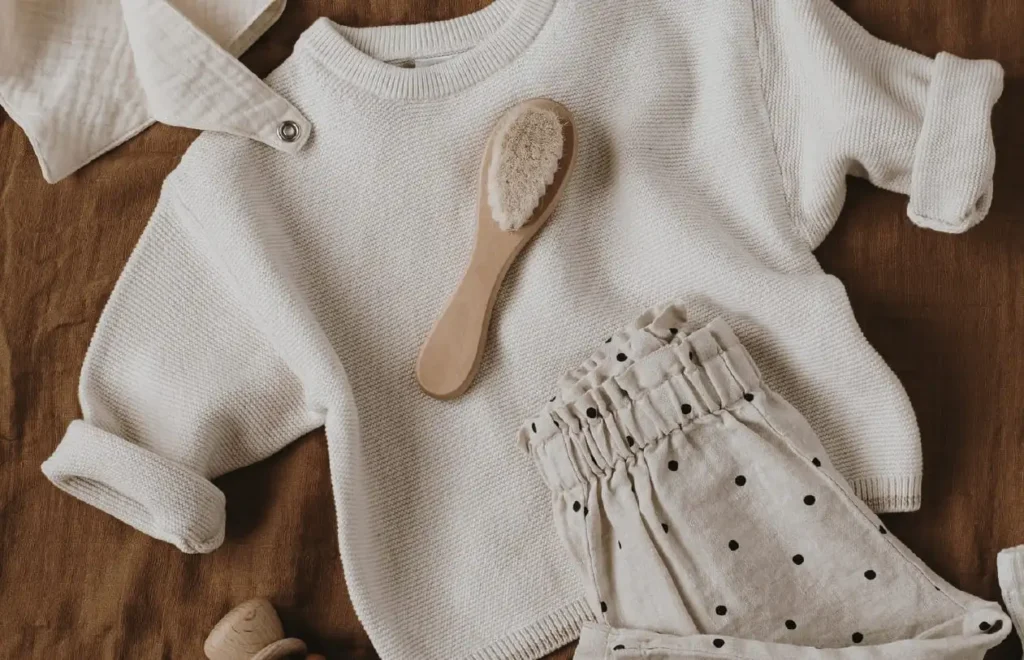
Compared with general apparel, baby clothing requires more stringent quality control. Infant garments come into direct and prolonged contact with sensitive skin and often contain components such as snaps, buttons, zippers, and decorative trims that may present safety risks if not properly manufactured.
Even minor defects, including loose threads, weak snaps, rough seams, or inaccurate labels, can lead to customer complaints, shipment rejection, product recalls, or regulatory non-compliance. As a result, many retailers and importers implement specialized quality control procedures for infant clothing before products reach the market.
Why Baby Clothing Inspection Matters
Baby garments are expected to meet higher standards for safety, comfort, and durability because infants are more vulnerable to irritation, choking hazards, and discomfort.
Inspection activities help verify:
- Workmanship consistency
- Fabric quality and comfort
- Closure performance and attachment security
- Labeling accuracy
- Packaging condition
- Shipment readiness
- Product safety requirements
A structured inspection program also helps businesses:
- Reduce product returns
- Minimize retailer claims
- Improve supplier performance
- Avoid shipment disputes
- Protect brand reputation
- Reduce the risk of recalls
Why Baby Clothing Requires Additional Quality Controls
Small defects that may be considered minor in adult apparel can become significant issues in infant products.
Baby garments require additional attention because of:
- Sensitive skin and potential irritation
- Choking risks from detached components
- Frequent washing and repeated use
- Close body contact during extended periods
- Higher consumer expectations for quality and safety
For these reasons, inspection procedures for baby clothing often involve stricter workmanship and safety requirements.
Baby Clothing Inspection Checklist
A baby clothing inspection checklist provides a systematic approach for evaluating garments against approved specifications and buyer requirements.
Inspection criteria are commonly based on:
- Approved samples
- Technical specifications
- Measurement charts
- Packaging instructions
- Purchase order requirements
- Regulatory requirements
Visual and Workmanship Inspection
Visual inspection is one of the most important stages of baby clothing inspection because visible defects directly affect product quality and customer acceptance.
Stitching Quality
Inspectors verify:
- Straight seam construction
- Consistent stitch density
- Proper seam reinforcement
- No loose threads
- No skipped stitches
- No seam puckering
Poor stitching quality can reduce garment durability and increase the risk of skin irritation.
Symmetry and Garment Construction
Inspection activities commonly include:
- Sleeve alignment
- Neck opening symmetry
- Balanced hems
- Correct panel positioning
- Proper seam matching
Construction defects can affect both appearance and comfort.
Surface Cleanliness and Appearance
Inspectors examine garments for:
- Oil stains
- Dirt contamination
- Ink marks
- Fabric damage
- Dye inconsistency
- Snags and pulls
Because baby garments come into direct contact with skin, cleanliness is an important quality consideration.
Thread Trimming and Needle Safety
Inspectors verify:
- Proper thread trimming
- No broken needles
- No sharp fragments
- No damaged stitching areas
Loose threads and damaged seams may reduce both quality and safety.
Functional Inspection of Closures and Components
Snap and Button Security
Inspection activities include:
- Pull checks
- Attachment verification
- Alignment checks
- Decorative trim fixation review
Loose components may create choking hazards.
Zipper Functionality
Inspectors evaluate:
- Smooth zipper movement
- Pull-tab attachment
- Zipper stop integrity
- Fabric catching risk
- Alignment accuracy
Elastic Performance
Inspection activities include:
- Stretch performance
- Recovery consistency
- Symmetrical construction
- Fit tolerance
Weak or overstretched elastic may affect product performance and comfort.
Labeling and Tagging Inspection
Labeling inspection helps verify that required information is complete and accurate.
Inspectors commonly review:
- Size labels
- Fiber composition labels
- Country-of-origin information
- Care instructions
- Tracking labels
- Barcode accuracy
Incorrect labeling may result in:
- Customs delays
- Retailer rejection
- Relabeling costs
- Regulatory non-compliance
Fabric Testing and Material Quality Assurance
Material quality plays a critical role in baby clothing inspection because fabrics directly affect comfort and durability.
Softness and Breathability Assessment
Inspection activities may include:
- Fabric softness
- Surface smoothness
- Moisture absorbency
- Breathability
- Fabric weight consistency
Chemical Safety Verification
Depending on destination-market requirements, inspectors may review:
- Laboratory reports
- Supplier declarations
- Material compliance documentation
- Restricted substance reports
Products exported to regulated markets may require compliance with:
- CPSIA in the United States
- REACH requirements in the European Union
- Restricted substances requirements in other jurisdictions
Durability and Shrinkage Assessment
Inspection activities may include:
- Shrinkage performance
- Fabric strength
- Pilling resistance
- Tear resistance
- Seam durability
Poor durability can reduce product life and customer satisfaction.
Colorfastness and Fabric Appearance Checks
Because baby clothing is frequently washed, fabric appearance and dye performance are important quality indicators.
Inspectors commonly evaluate:
- Color consistency
- Shade matching
- Dye uniformity
- Wash appearance
- Surface condition after handling
Additional testing may include:
- Wash colorfastness
- Dry rubbing
- Wet rubbing
- Dye transfer risk
Small Part and Sharp Edge Safety Inspection
Baby garments require additional attention to detachable components and rough surfaces.
Inspection activities commonly include:
- Decorative accessories
- Buttons and snaps
- Ribbons and trims
- Embellishments
- Hardware edges
- Rough stitching
Products should not contain components that easily detach during normal wear or washing.
AQL Standards Used for Baby Clothing Inspection
Most third-party inspections follow internationally recognized sampling standards such as:
- ANSI/ASQ Z1.4
- ISO 2859-1
Defects are typically classified as:
Critical Defects
Defects that may create safety risks or violate regulations.
Major Defects
Defects that significantly affect product use, performance, or appearance.
Minor Defects
Defects that do not significantly affect product functionality but may affect appearance.
The acceptable quality level depends on buyer requirements and product risk.
Pre-Shipment Inspection for Baby Clothing
Pre-shipment inspection is commonly performed when:
- Production is 100% complete
- At least 80% of goods are packed
Inspection activities typically include:
Quantity Verification
- Production quantity
- Carton quantity
- Size assortment
- Color assortment
- Purchase order consistency
Measurement Checks
Inspectors verify:
- Chest width
- Garment length
- Sleeve length
- Waist opening
- Neck dimensions
- Leg openings
Packaging Inspection
Inspectors examine:
- Polybag condition
- Suffocation warning labels
- Barcode accuracy
- Carton marking
- Packaging cleanliness
- SKU consistency
Common Defects Found During Baby Clothing Inspection
Workmanship Defects
- Open seams
- Loose stitching
- Skipped stitches
- Uneven hems
- Misaligned panels
- Loose threads
Fabric Defects
- Stains
- Oil contamination
- Fabric holes
- Shade variation
- Surface damage
- Dye inconsistencies
Labeling Defects
- Missing labels
- Incorrect sizing
- Barcode mismatches
- Missing care instructions
- Incorrect carton marking
Safety Defects
- Weak snaps
- Loose decorative trims
- Malfunctioning zippers
- Sharp hardware edges
- Insecure buttons
Safety-related defects generally receive higher inspection attention because of their potential impact on infant products.
Why Third-Party Inspection Is Important for Baby Clothing
Independent inspections help buyers:
- Verify product quality
- Monitor supplier performance
- Reduce shipment risks
- Improve consistency
- Identify defects before shipment
- Support retailer requirements
Third-party inspections provide objective information that helps businesses make informed shipping decisions.
Baby clothing inspection plays an important role in verifying workmanship quality, material consistency, functional performance, labeling accuracy, and shipment readiness before products enter the market. Because infant garments require higher standards of safety and comfort, structured inspection procedures help reduce quality risks and improve product consistency across production batches.
Frequently Asked Questions
1. What is baby clothing inspection?
Baby clothing inspection is a quality control process that evaluates infant garments for safety, workmanship, material quality, labeling, and packaging before shipment.
2. Why is baby clothing inspection important?
Inspection helps identify defects early, reduce recalls, improve product consistency, and protect consumers.
3. What defects are commonly found in infant garments?
Common defects include loose stitching, weak snaps, fabric stains, labeling errors, and detached trims.
4. When should baby clothing be inspected?
Inspection can be conducted during production and before shipment, depending on buyer requirements.
5. What standards are used for baby clothing inspection?
Most inspections follow ANSI/ASQ Z1.4 or ISO 2859-1 sampling standards.
6. Can third-party inspections reduce product recalls?
Yes. Early defect detection helps identify quality and safety issues before products reach consumers.
7. What is inspected during a baby clothing inspection?
A baby clothing inspection typically includes workmanship checks, measurements, fabric quality, labeling verification, packaging inspection, closure testing, and safety assessments for buttons, snaps, and decorative components.

 Request Free Sample Report