How to Book a Product Inspection in China
Sourcing products from China gives buyers access to a wide range of manufacturers, products, and production capabilities. However, product quality may be difficult to confirm when buyers cannot visit the factory or examine the goods before shipment.
A product inspection provides an independent assessment of the order at the factory. Depending on the production stage, it can verify materials, workmanship, dimensions, functions, quantity, labeling, and packaging.
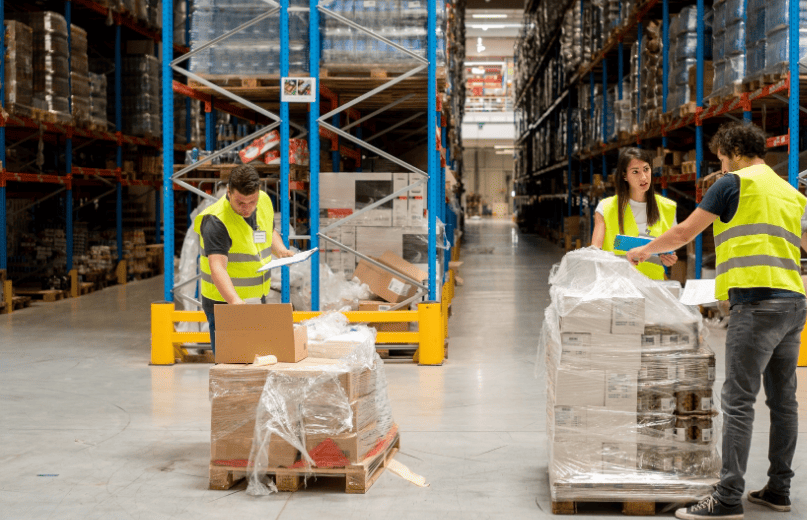
Booking a product inspection in China involves selecting the appropriate inspection type, confirming the factory’s production status, providing clear product requirements, and arranging the inspection before shipment. This guide explains each step of the booking process.
Step 1: Choose the Inspection Type
The appropriate inspection type depends on the production stage and the risks associated with the order.
Pre-Production Inspection
A Pre-Production Inspection (PPI) is conducted before mass production begins. It may cover:
- Raw materials and components
- Approved samples
- Packaging materials
- Production equipment
- Factory readiness
- Initial production planning
This inspection can identify material, component, or preparation issues before full production starts.
During Production Inspection
A During Production Inspection (DUPRO) is conducted while manufacturing is in progress. It is commonly scheduled when 20% to 80% of the order has been produced.
The inspection may cover:
- Finished and semi-finished products
- Workmanship
- Dimensions
- Product functions
- Production consistency
- Packaging progress
- Corrective actions from previous findings
DUPRO gives the factory time to correct production issues before the entire order is completed.
Pre-Shipment Inspection
A Pre-Shipment Inspection (PSI) is conducted when production is complete and the goods are ready for shipment. ECQA generally requires 100% of the order to be produced and at least 80% to be packed.
A PSI may include:
- Quantity verification
- Workmanship inspection
- Measurement checks
- Functional testing
- Label and marking verification
- Retail packaging checks
- Shipping carton inspection
PSI is commonly used to evaluate finished goods before shipment approval.
Container Loading Supervision
Container Loading Supervision (CLS) takes place while the goods are loaded into a container.
The inspector may verify:
- Container condition
- Product and carton quantities
- Packaging condition
- Shipping marks
- Loading arrangement
- Container number
- Seal number
CLS documents the products loaded and the condition of the shipment during loading.
Step 2: Confirm the Factory Information
Provide complete factory details before booking the inspection.
Required information normally includes:
- Factory name
- Factory name in Chinese, if available
- Full factory address
- Factory contact person
- Telephone or mobile number
- Email address
- WeChat contact, if available
- Inspection location
- Business hours
The registered company address may be different from the production or storage location. Confirm the exact address where the goods will be available for inspection.
Some factories use subcontractors or separate warehouses. Inform the inspection company if the products, components, or packaging materials are stored at different locations.
Step 3: Verify the Production Status
Confirm the actual production and packing status with the factory before selecting the inspection date.
Ask the supplier to provide:
- Percentage of production completed
- Percentage of goods packed
- Number of finished units
- Expected production completion date
- Planned loading date
- Planned shipment date
- Location of the finished goods
Production schedules may change because of material delays, equipment problems, rework, labor availability, or packaging delays.
For a pre-shipment inspection, confirm that sufficient finished goods will be available for representative sample selection. The production status should be checked again shortly before the inspection date.
Step 4: Select an Inspection Date
Choose a date that matches the required production stage and leaves time to respond to the inspection findings.
Allow sufficient time between the inspection and shipment for:
- Reviewing the inspection report
- Discussing findings with the supplier
- Completing corrective actions
- Repacking affected goods
- Arranging a re-inspection when required
Avoid scheduling a pre-shipment inspection on the same day as container loading. Quality issues found during the inspection may require additional time for correction.
Consider Chinese Public Holidays
Factory operations and inspector availability may be affected by major public holidays, including:
- Chinese New Year
- National Day Golden Week
- Labor Day holiday
- Mid-Autumn Festival
- Other regional or local holidays
Production capacity may also be limited before and after Chinese New Year due to worker travel and factory closures. Book early when the inspection date falls near a major holiday or peak shipping period.
Step 5: Prepare the Order Details
Provide information that clearly connects the inspection to the correct purchase order and products.
Typical order details include:
- Buyer or company name
- Purchase order number
- Product name and description
- Model numbers or SKUs
- Order quantity
- Number of product types
- Colors, sizes, or variations
- Destination market
- Production status
- Preferred inspection date
- Planned shipment date
- Required inspection type
Identify every model, size, color, and variation included in the inspection scope. This information helps determine the required inspection time and sampling arrangement.
Step 6: Submit the Product Specifications
The inspector needs clear reference documents to evaluate the products.
Depending on the product, provide:
- Product specifications
- Technical drawings
- Approved sample details
- Size charts
- Bills of materials
- Color references
- Packaging artwork
- Label files
- Barcode information
- User manuals
- Assembly instructions
- Inspection checklists
- Applicable testing requirements
The specifications should define measurable requirements, including:
- Dimensions and tolerances
- Materials
- Color and finish
- Product functions
- Accessories
- Packaging quantities
- Label content
- Carton markings
If an approved physical sample is stored at the factory, confirm that it will be available to the inspector.
Step 7: Define the Inspection Scope
The inspection scope states which checks and tests will be performed during the factory visit.
A typical scope may include:
- Quantity verification
- Workmanship inspection
- Dimensions and weight
- Color and appearance
- Assembly checks
- Functional testing
- Barcode scanning
- Label verification
- Retail packaging checks
- Shipping carton inspection
- Carton measurements and weight
- Product-specific on-site tests
Special requirements should be submitted before the inspection. Examples include drop tests, load tests, moisture checks, adhesion tests, electrical function checks, or assembly trials.
Confirm whether the factory needs to prepare:
- Testing equipment
- Power supplies
- Assembly tools
- Reference samples
- Water or other testing materials
- Staff assistance for moving products
Step 8: Confirm the Sampling and Defect Criteria
Many product inspections use an agreed sampling plan to select units from the available order.
Confirm the following before the inspection:
- Sampling method
- Inspection level
- AQL levels, where applicable
- Critical, major, and minor defect definitions
- Product-specific defect examples
- Measurement tolerances
- Functional acceptance criteria
Defect criteria should reflect product safety, function, appearance, saleability, and customer requirements.
Product-specific examples help the inspector classify findings consistently. An accessible sharp point on a toy may be classified as a critical defect. A visible scratch on the main surface of a furniture product may be considered a major defect.
Step 9: Confirm the Booking and Factory Access
After the inspection scope, date, and service arrangements are confirmed, notify the factory of the scheduled visit.
The factory should provide:
- Access to the production or storage area
- Finished goods for sample selection
- A suitable inspection space
- Adequate lighting
- Electricity where required
- Testing equipment identified in advance
- Staff support for opening and moving cartons
- Assembly tools where applicable
- Approved samples and specifications kept at the factory
The inspector should be permitted to select samples from the available production quantity. Inform the inspection company immediately if the factory address, production schedule, or product availability changes.
Step 10: Conduct the Inspection
On the scheduled date, the inspector visits the factory and completes the agreed inspection activities.
The process commonly includes:
- Meeting the factory representative
- Confirming the order and inspection scope
- Checking production and packing status
- Selecting samples from the available goods
- Verifying quantities
- Inspecting workmanship
- Measuring selected products
- Performing functional and on-site tests
- Checking labels and packaging
- Recording defects and observations
- Taking supporting photographs
- Reviewing the findings with the factory representative
The exact process depends on the inspection type, product category, agreed requirements, and factory conditions.
Step 11: Review the Inspection Report
After the inspection, review the report against the purchase order, product specifications, and acceptance criteria.
A product inspection report normally includes:
- Factory and order information
- Inspection date and location
- Production and packing status
- Available and inspected quantities
- Sample size
- Defect classifications and counts
- Measurement results
- Functional test results
- Packaging and labeling findings
- Photographic evidence
- Overall inspection result
- Inspector comments
Review the individual findings, test results, and photographs carefully. The overall result provides a summary, while the detailed findings show the condition of the inspected samples.
What Happens After the Inspection?
The next step depends on the inspection findings and the agreed purchase terms.
Approve the Shipment
Shipment may proceed when the findings meet the agreed requirements and no unresolved issues remain.
Request Corrective Action
The supplier may be asked to repair, replace, rework, sort, or repack affected goods. The corrective action should cover all potentially affected units.
Arrange a Re-Inspection
A re-inspection can verify whether the factory has completed the required corrective work. Provide the previous report and identify the findings that require follow-up.
Hold the Shipment
The shipment may be placed on hold when significant safety, quantity, functional, specification, labeling, or packaging issues remain unresolved.
The buyer or authorized party makes the final shipment decision based on the report, purchase agreement, and commercial requirements.
Common Mistakes When Booking an Inspection in China
Common booking problems include:
- Providing the factory’s registered address instead of the inspection location
- Scheduling before sufficient goods are available
- Booking too close to the shipment date
- Omitting models, colors, sizes, or product variations
- Providing incomplete product specifications
- Failing to submit approved packaging artwork
- Leaving functional requirements undefined
- Failing to notify the factory
- Scheduling inspection and loading on the same day
- Allowing the factory to prepare selected samples
- Booking near a major Chinese holiday without sufficient lead time
- Failing to report changes in the production schedule
Clear requirements and early coordination help prevent delays and incomplete inspections.
Product Inspection Booking Checklist
Before confirming the booking, make sure the following information is available:
- Inspection type selected
- Factory name and address confirmed
- Chinese factory name provided, if available
- Factory contact person available
- Inspection location verified
- Production and packing status confirmed
- Preferred inspection date selected
- Shipment date confirmed
- Product quantities listed
- Models and variations identified
- Product specifications submitted
- Approved sample available
- Inspection scope defined
- Sampling requirements confirmed
- Defect criteria established
- Packaging and labeling files provided
- Special tests identified
- Factory access confirmed
Book a Product Inspection in China
Booking a product inspection in China requires accurate factory information, confirmed production status, clear product specifications, and a suitable inspection date. Preparing these details early helps the inspector evaluate the correct goods according to the agreed requirements.
To receive a service proposal, see how to request a product inspection quote in China and provide the available factory, product, production, and scheduling details.
If you are unsure which inspection type applies to your current production stage, use our Inspection Planning Tool to identify the inspection that typically fits your production progress before booking.
Frequently Asked Questions
How early should I book a product inspection in China?
Book once the expected production stage and inspection date are known. Additional notice may be needed during Chinese public holidays, peak shipping periods, and trade fair seasons.
Can I book an inspection before production is complete?
Yes. PPI and DUPRO are conducted before final production is completed. PSI should be scheduled when 100% of the order will be produced and at least 80% will be packed.
Can an inspection be conducted anywhere in China?
Inspection services are available across major manufacturing regions in China. The factory location, accessibility, and travel requirements may affect scheduling and cost.
What documents should I provide?
Documents may include the purchase order, product specifications, technical drawings, approved sample details, packaging artwork, labels, manuals, inspection checklist, and testing requirements.
Can the factory select the inspection samples?
The inspector should select samples from the available production quantity according to the agreed sampling plan.
Who decides whether the products can be shipped?
The inspection report documents the findings. The buyer or authorized party reviews the results and makes the final shipment decision.
What happens when products fail inspection?
Possible actions include requesting corrective work, arranging a re-inspection, holding the shipment, or making a decision according to the purchase agreement and identified risks.

 Request Free Sample Report