Plush Toy Inspection Checklist
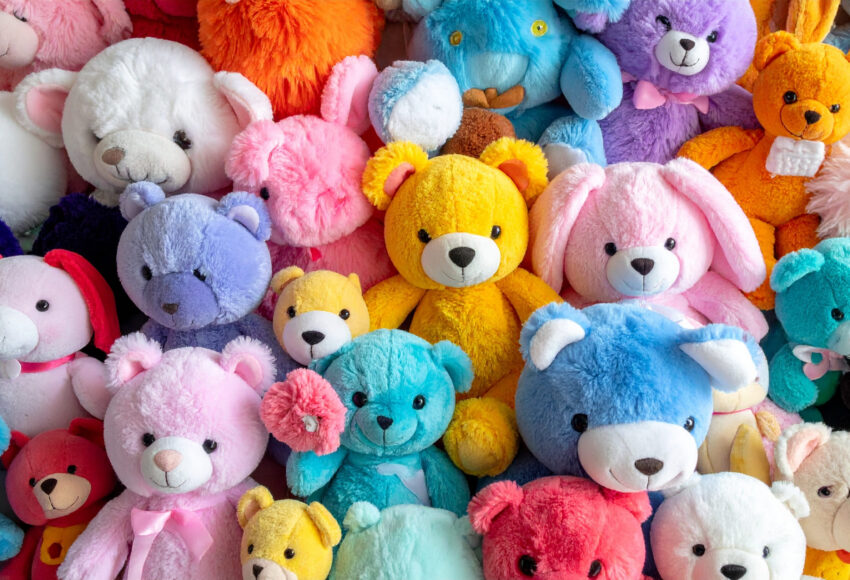
A plush toy inspection checklist is a structured quality control framework used to evaluate stuffed toys for compliance with safety regulations, approved specifications, and workmanship standards prior to shipment. Plush toys are generally classified as children’s products and must comply with applicable toy safety regulations such as EN 71, ASTM […]

A Step-by-Step Guide to Quality Inspection Across the Supply Chain
Quality inspection is a structured quality control process designed to verify that products meet defined specifications, regulatory requirements, and customer expectations throughout the manufacturing and shipping lifecycle. By applying inspection at key production stages, manufacturers, importers, and brand owners can reduce defect rates, prevent shipment disputes, and maintain consistent product […]
Which Inspection Do You Need
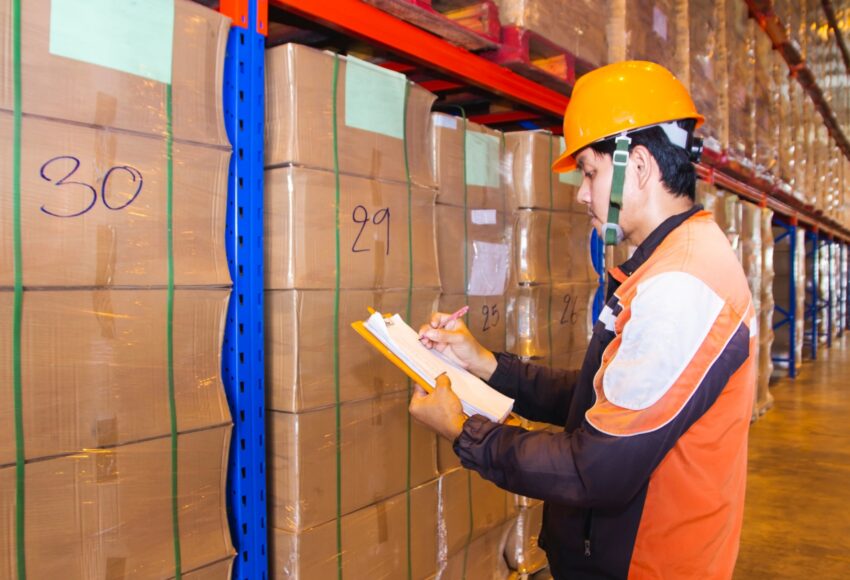
Product inspection is a structured quality control activity used to verify that goods meet defined specifications at specific stages of the production process. Different stages involve different quality risks, which is why inspection effectiveness depends on correct timing. This page helps you understand how inspection types align with production progress […]

Container Loading Supervision in Mexico: Complete Loading Inspection Guide
Container loading supervision in Mexico is an independent inspection conducted during the container loading process to verify that the correct products, quantities, packaging, and loading methods meet buyer requirements before goods are transported or exported. Mexico has become one of the world’s leading manufacturing and export centers, supplying products to […]
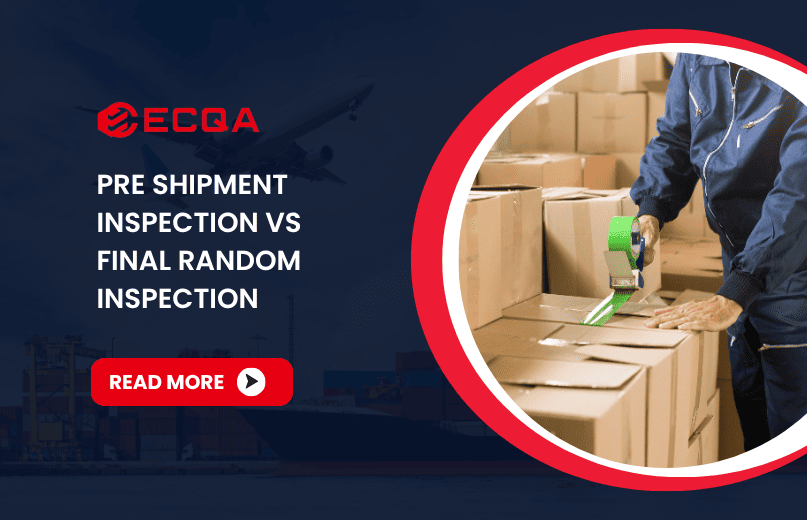
Pre-Shipment vs Final Random Inspection: Key Differences
Pre-Shipment Inspection (PSI) and Final Random Inspection (FRI ) are two essential quality control procedures used to verify product conformity before goods leave the factory. Both play a critical role in preventing costly mistakes, ensuring compliance with buyer specifications, and maintaining brand reputation. While they appear similar in timing, their […]
Product Inspection Cost: How Inspection Fees Are Calculated
Product inspection cost depends on the time and resources required to complete the inspection. Inspection companies commonly calculate fees based on inspector man-days, with the final cost influenced by factory location, inspection scope, sample size, number of SKUs, product complexity, and any additional testing requirements. A straightforward inspection may require […]
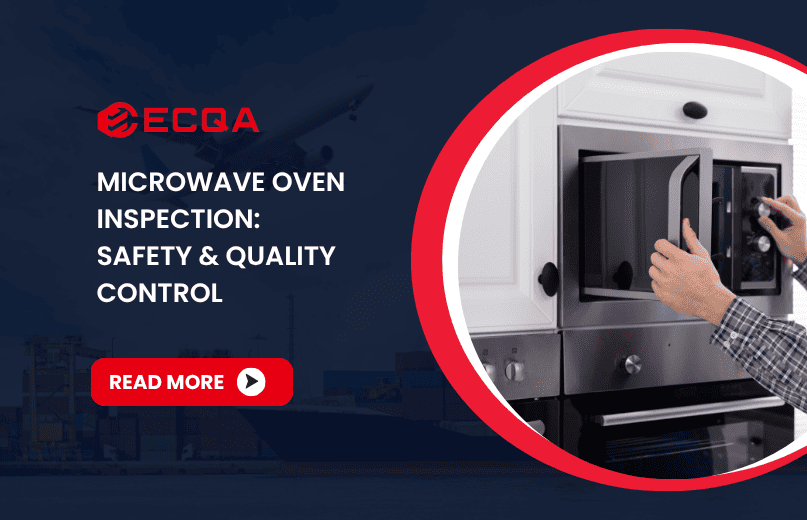
Microwave Oven Inspection: Safety & Quality Control
Microwave oven inspection is a structured quality control process carried out during or after production to ensure each unit meets performance, safety, and regulatory standards. These inspections are critical for both manufacturers and buyers in minimizing product risks, avoiding regulatory non-compliance, and maintaining customer trust. Microwave ovens involve multiple safety-sensitive […]
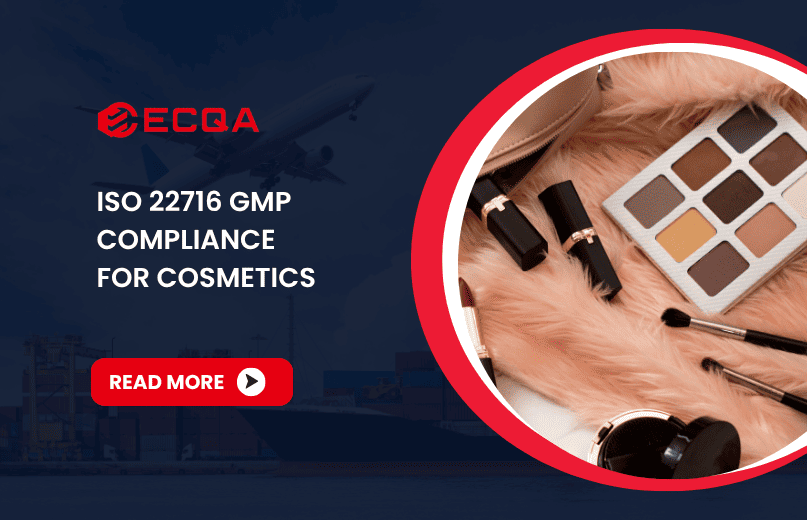
ISO 22716: Cosmetic GMP Requirements, Checklist and Compliance Guide
ISO 22716:2007 is the international standard for Good Manufacturing Practices (GMP) for cosmetic products. It provides guidelines for the production, control, storage, and shipment of cosmetics and establishes a structured approach to maintaining product quality throughout manufacturing operations. The standard covers key areas such as personnel, premises, equipment, raw materials, […]

Electrical Safety Inspection for Home Appliances: Common Hazards and Testing Methods
Electrical safety inspection for home appliances is the process of evaluating household electrical products to ensure they operate safely and comply with applicable standards and regulatory requirements. The inspection involves a combination of visual examinations, functional assessments, and electrical tests designed to identify hazards that could lead to electric shock, […]
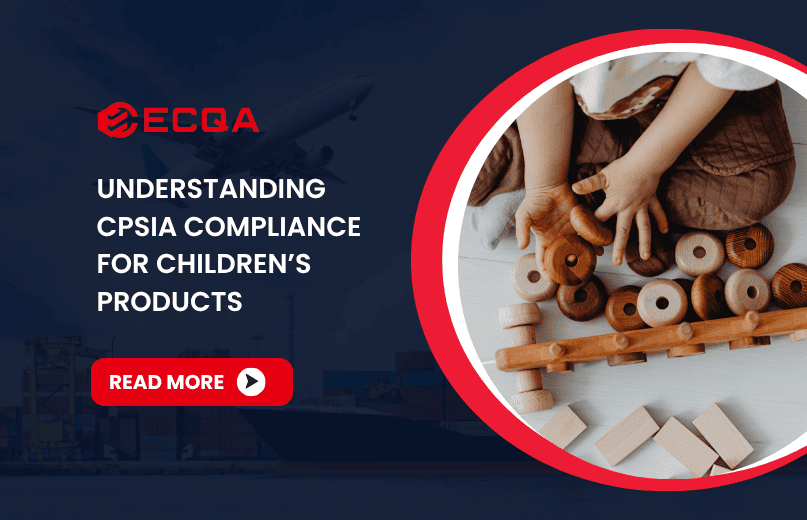
Understanding CPSIA Compliance for Children’s Products
The Consumer Product Safety Improvement Act (CPSIA) is a landmark U.S. federal law enacted in 2008 to ensure the safety of children’s products sold in the United States. It was introduced in response to a series of high-profile recalls, particularly of toys containing hazardous lead levels and other dangerous materials. […]
 Request Free Sample Report