Request a Product Inspection Quote in China
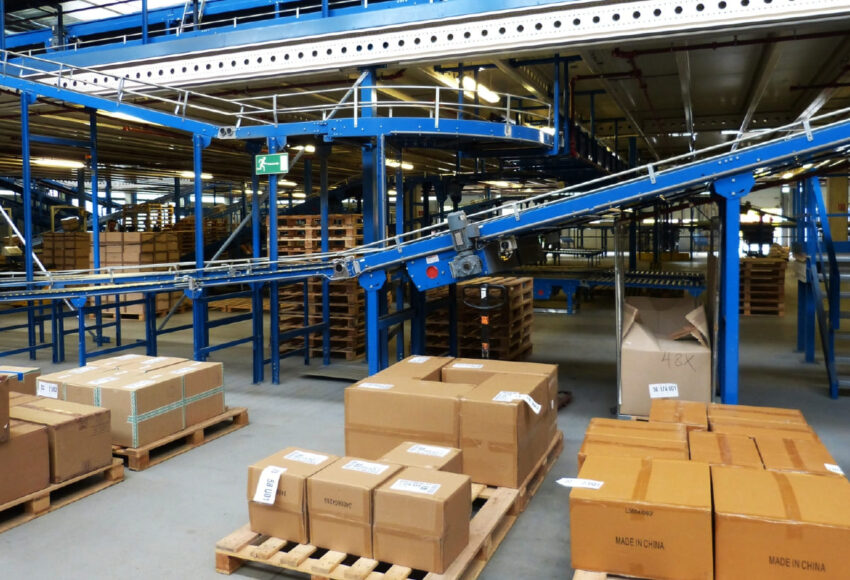
When arranging production in China, buyers may need an independent inspection before approving goods for shipment. The cost and inspection plan depend on the product, factory location, order quantity, production stage, and checks required. A clear quote request allows the inspection company to estimate the time, resources, travel arrangements, and […]
Packaging Inspection: Complete Guide to Packaging Quality Control
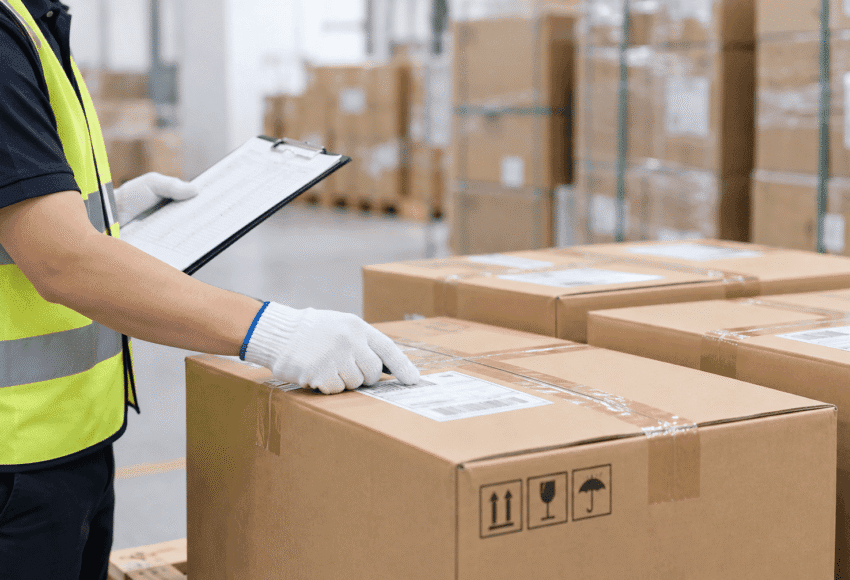
Packaging inspection is the process of checking finished product packaging against approved specifications, packaging samples, artwork, purchase orders, shipping requirements, and defined quality criteria before shipment. The inspection can cover cartons, retail packaging, labels, barcodes, cushioning materials, packing methods, shipping marks, palletization, and overall packaging condition. Its purpose is to […]

Umbrella Inspection Checklist and Quality Control
Umbrellas combine textile canopies, metal or composite frames, shafts, handles, opening mechanisms, joints, stitching, and other components that must work together reliably during repeated use. Umbrella inspection helps verify these components against approved specifications and identify workmanship, functional, material, and packaging defects before shipment. Quality inspections may cover straight umbrellas, […]

Coffee Machine Quality Control: Inspection Checklist and Common Defects
Coffee machines combine heating systems, water reservoirs, pumps, brewing components, controls, electrical parts, and food-contact materials within a single appliance. Coffee machine quality control helps verify that these components are correctly assembled, function according to specifications, and meet defined quality requirements before shipment. Quality inspections may cover espresso machines, capsule […]
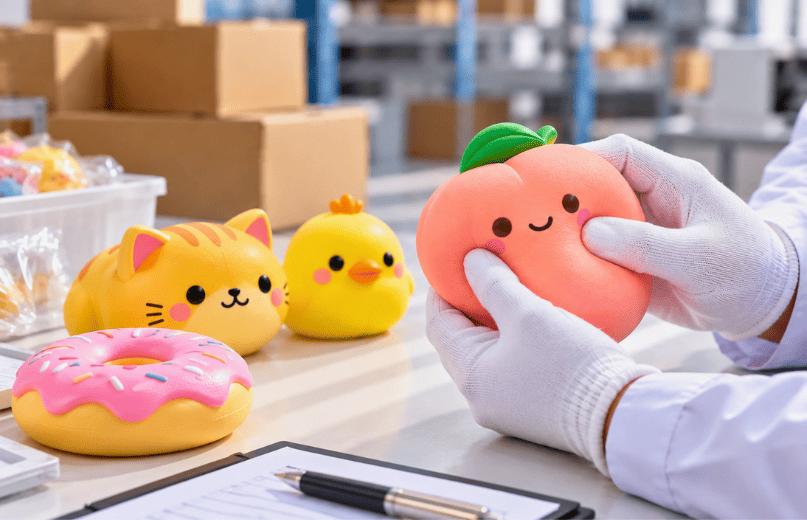
Squishy Toy Quality Control: Inspection Checklist and Safety Requirements
Squishy toys are soft, squeezable toys commonly made from polyurethane (PU) foam or other flexible materials designed to compress and gradually return to their original shape. Their quality depends on foam consistency, shape recovery, surface finishing, printing, durability, and compliance with applicable toy safety requirements. Squishy toy quality control can […]
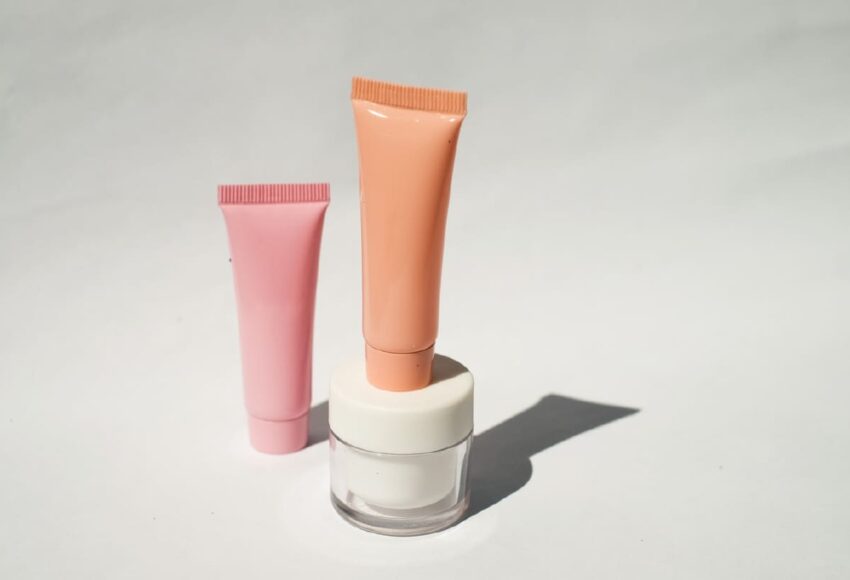
Cosmetic Product Inspection Checklist and Quality Standards
Cosmetic product inspection involves checking finished cosmetic products and their packaging against approved specifications, reference samples, labeling requirements, and defined quality criteria before shipment. The inspection may cover product appearance, fill quantity, packaging integrity, dispenser function, labels, batch codes, retail packaging, and shipping cartons. A structured inspection helps identify visible […]
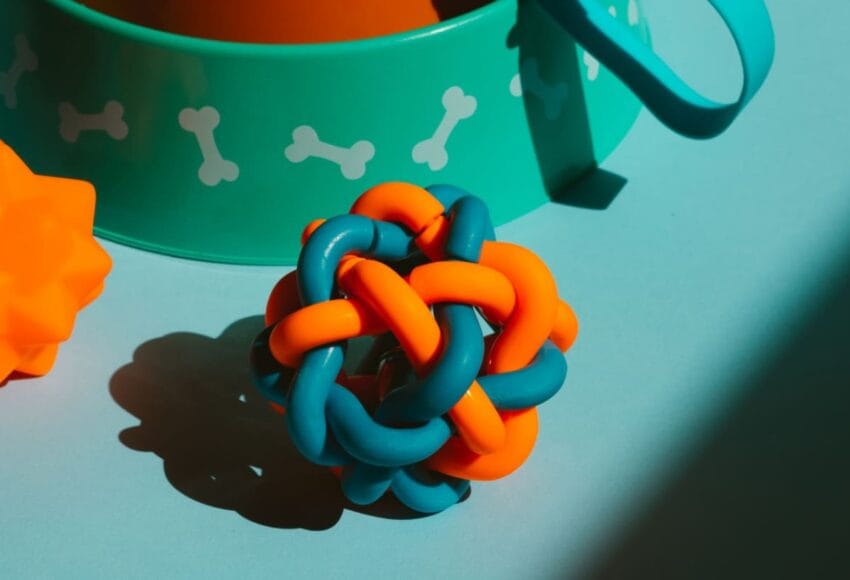
Pet Toy Inspection Checklist and Quality Standards
Pet toy inspection is a quality control process used to verify that pet toys meet approved specifications, workmanship requirements, functional expectations, and packaging standards before shipment. A structured inspection helps identify manufacturing defects that may affect product durability, appearance, function, or animal safety. Pet toys are manufactured from materials such […]

Lighting Inspection: Complete Guide to Quality Control and Product Compliance
Lighting inspection is the process of evaluating lighting products during manufacturing and before shipment to verify that they meet quality, workmanship, functional, labeling, packaging, and customer requirements. It helps manufacturers identify defects early, improve production consistency, and reduce the risk of customer complaints, product returns, and shipment rejection. Lighting products […]
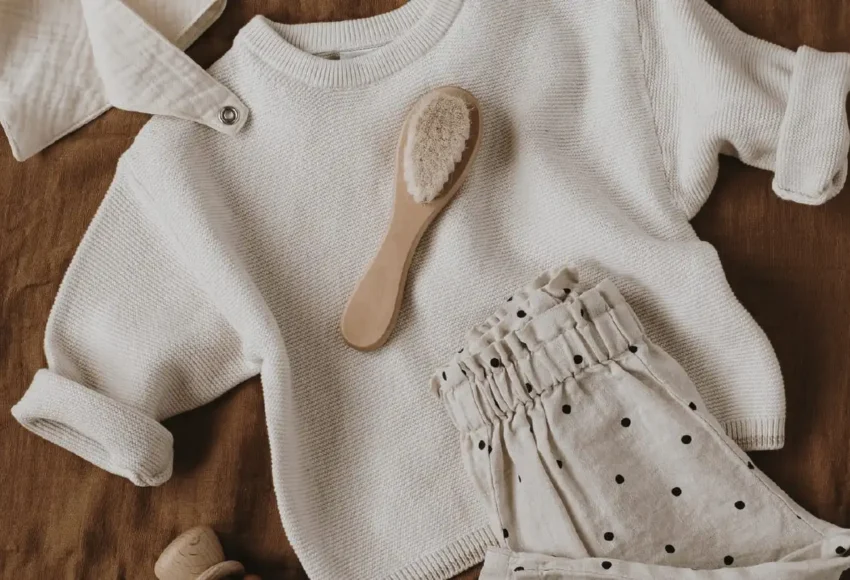
Baby Clothing Inspection: A Complete Guide to Quality Control for Infant Garments
Baby clothing inspection is the process of evaluating infant garments for safety, workmanship, material quality, sizing accuracy, labeling, and packaging before products are shipped or distributed. The objective of inspection is to verify that garments conform to approved specifications, buyer requirements, and applicable market regulations. Compared with general apparel, baby […]
How to Handle a Supplier Dispute After a Failed Inspection
A supplier dispute after a failed inspection occurs when a third party or buyer conducted quality inspection identifies defect levels above the agreed acceptance criteria, and the supplier challenges the findings, refuses corrective action, or fails to provide a satisfactory resolution within the required timeframe. These disputes typically arise during […]
 Request Free Sample Report