


Electrical Safety Inspection for Home Appliances: Common Hazards and Testing Methods
Electrical safety inspection for home appliances is the process of evaluating household electrical products to ensure they operate safely and comply with applicable standards and regulatory requirements. The inspection involves a combination of visual examinations, functional assessments, and electrical tests designed to identify hazards that could lead to electric shock, overheating, fire, or equipment failure.
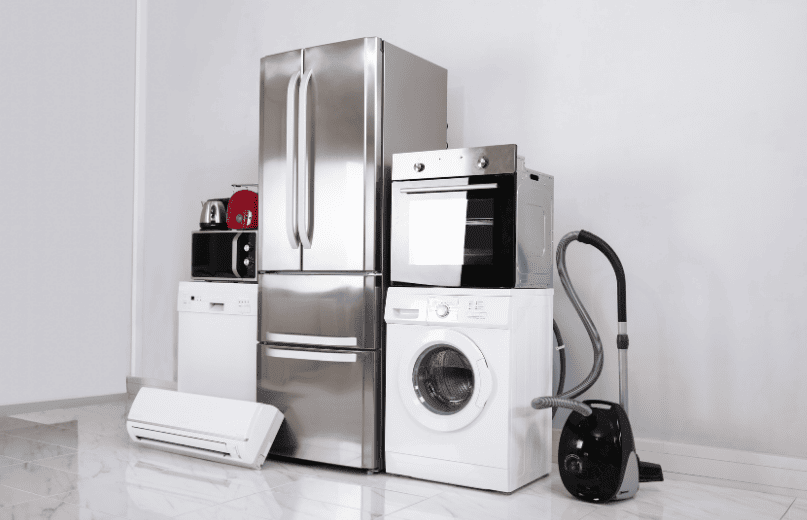
Household appliances are used daily and often operate under demanding conditions involving heat, moisture, vibration, and continuous electrical loads. Even minor design defects or manufacturing inconsistencies can create significant safety risks over time.
Why Electrical Safety Inspection Matters
Electrical defects are among the most common causes of product recalls involving household appliances. Regular inspection and testing help businesses:
- Detect safety defects before products reach consumers
- Verify compliance with international standards
- Reduce warranty claims and product returns
- Prevent electrical fires and electric shock incidents
- Improve product reliability and customer confidence
- Support market access in regulated countries
Electrical safety inspection also provides documented evidence that products have been evaluated according to recognized safety requirements.
Common Electrical Hazards Found in Home Appliances
Overheating and Short Circuits
Appliances that use undersized components, poor-quality wiring, or inadequate thermal protection can overheat during operation.
Potential consequences include:
- Melted insulation
- Internal component failure
- Electrical fires
- Damage to surrounding materials
Examples include:
- Electric kettles
- Toasters
- Rice cookers
- Space heaters
Electric Shock Due to Insulation Failure
Insulation prevents users from coming into contact with live electrical parts. Damage or deterioration of insulation may expose users to hazardous voltages.
Common causes include:
- Poor design
- Material degradation
- Manufacturing defects
- Physical damage during use
Improper Grounding
Class I appliances rely on grounding systems to safely discharge fault current.
Poor grounding may result in:
- Electric shock hazards
- Increased fire risks
- Equipment malfunction
Moisture Ingress
Water and condensation can cause:
- Corrosion of electrical components
- Arcing
- Short circuits
- Electrical fires
Moisture-related hazards are particularly important for:
- Coffee machines
- Washing machines
- Dishwashers
- Bathroom appliances
Damaged Power Cords and Plugs
Power cords are exposed to bending, pulling, and repeated handling.
Common defects include:
- Broken conductors
- Exposed wires
- Weak strain relief
- Damaged plugs
These defects significantly increase the risk of electrical accidents.
Critical Electrical Safety Tests for Home Appliances
Insulation Resistance Testing
Insulation resistance testing measures the ability of insulation materials to resist current leakage.
The test helps identify:
- Damaged insulation
- Contamination
- Moisture penetration
- Material degradation
Dielectric Strength Testing
Also known as a high-voltage test, dielectric strength testing verifies that insulation can withstand abnormal voltage conditions without breakdown.
The test helps ensure:
- User protection
- Electrical separation integrity
- Resistance to voltage surges
Leakage Current Testing
Leakage current testing measures unintended current flowing through accessible surfaces.
Excessive leakage current can lead to:
- Electric shock
- Product non-compliance
- Safety failures
Ground Continuity Testing
Ground continuity testing confirms that fault current can safely flow through the grounding system.
This test is particularly important for:
- Refrigerators
- Washing machines
- Microwave ovens
- Electric ovens
Polarity and Continuity Testing
These tests verify:
- Correct wiring configuration
- Circuit continuity
- Proper connection of live and neutral conductors
Incorrect polarity may create significant safety hazards.
Load and Power Consumption Testing
Appliances are tested under normal operating conditions to verify:
- Current draw
- Power consumption
- Temperature rise
- Performance stability
International Safety Standards for Home Appliances
Most household appliances are evaluated according to internationally recognized standards.
IEC 60335 Standards
The IEC 60335 series establishes safety requirements for household and similar electrical appliances.
Examples include:
- IEC 60335-1 – General safety requirements
- IEC 60335-2-6 – Cooking appliances
- IEC 60335-2-9 – Grills and toasters
- IEC 60335-2-15 – Kettles
- IEC 60335-2-24 – Refrigeration appliances
EN 60335 Standards
The European Union adopts the IEC framework through EN 60335 standards for CE compliance.
UL Standards
Products entering the United States may require compliance with applicable UL standards depending on the product category.
AS/NZS 60335 Standards
Australia and New Zealand apply their own versions of household appliance safety standards.
Compliance with these standards helps manufacturers demonstrate product safety and obtain market access.
Electrical Hazards in Different Types of Home Appliances
Heating Appliances
Examples:
- Toasters
- Electric kettles
- Irons
- Heaters
Common risks:
- Overheating
- Thermal protection failure
- Insulation degradation
Refrigeration Appliances
Examples:
- Refrigerators
- Freezers
- Wine coolers
Common risks:
- Compressor overload
- Capacitor failure
- Grounding defects
Washing Machines and Dryers
Common risks:
- Water ingress
- Electrical leakage
- Grounding failures
- Mechanical stress on electrical components
Kitchen Countertop Appliances
Examples:
- Air fryers
- Rice cookers
- Coffee machines
- Blenders
Common risks:
- Loose internal connections
- Thermostat failure
- Cord anchorage defects
Personal Care Appliances
Examples:
- Hair dryers
- Electric shavers
- Curling irons
Common risks:
- Electric shock
- Water exposure
- Motor failure
- Insufficient insulation
When Should Home Appliances Be Inspected?
Electrical safety inspections should be conducted at several stages:
During Product Development
To identify design weaknesses and compliance issues.
During Production
To verify manufacturing consistency and process control.
Before Shipment
To ensure finished products comply with customer specifications and regulatory requirements.
Before Market Entry
To support certification and regulatory approval processes.
Electrical hazards in home appliances are preventable when proper inspection and testing procedures are implemented. Visual inspections alone are often insufficient to detect hidden electrical defects that may lead to fires, electric shock, or product failure.
By performing comprehensive electrical safety inspections and verifying compliance with standards such as IEC 60335, manufacturers and importers can reduce risks, improve product quality, and build greater confidence in their products.
Frequently Asked Questions
1. What is electrical safety inspection for home appliances?
Electrical safety inspection is the process of evaluating household appliances to identify electrical hazards and verify compliance with applicable safety standards.
2. Why is electrical safety testing important?
Electrical safety testing helps prevent electric shock, overheating, fires, and product failures before products reach consumers.
3. What standards apply to household appliances?
The most widely used standards include IEC 60335, EN 60335, UL standards, and AS/NZS 60335 standards.
4. Can electrical defects cause product recalls?
Yes. Electrical hazards are one of the leading causes of home appliance recalls worldwide.
5. When should home appliances be inspected?
Home appliances should be inspected during product development, production, pre-shipment, and before entering regulated markets.

 Request Free Sample Report