
What is Quality Assurance in the Supply Chain
Quality assurance in the supply chain refers to the systematic activities used to ensure that products, materials, manufacturing processes, and suppliers consistently meet defined quality requirements throughout the supply chain. These activities are designed to prevent defects, improve process consistency, and support compliance with customer, regulatory, and industry requirements. Unlike […]
5 Essential Furniture Safety Requirements
Furniture plays a vital role in homes, offices, and public spaces, but poorly designed or manufactured pieces can pose serious safety risks. From tipping hazards and structural failures to toxic finishes, unsafe furniture can lead to injuries, legal liabilities, and costly recalls. To protect consumers and maintain compliance with industry […]
3 Defect Levels in Product Quality Inspection
Quality inspections are a vital part of the manufacturing process, helping businesses catch product defects before items reach customers. By identifying issues early, companies can avoid costly returns, negative reviews, and potential legal risks. During a standard quality check, inspectors commonly uncover a range of defects that can affect the […]
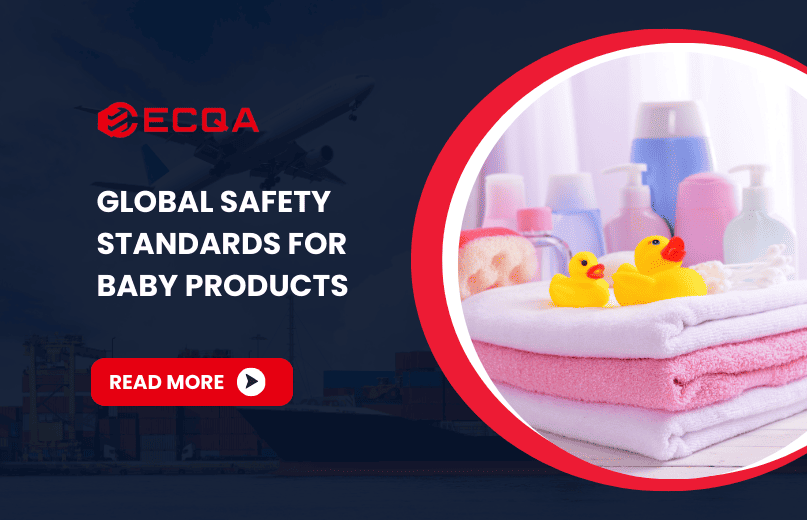
Global Safety Standards for Baby Products
As a seller or retailer in the baby product industry, it is important to know the Global Safety Standards for Baby Products. These standards are designed to protect infants and toddlers by ensuring that every product meets strict safety and quality requirements. Understanding and complying with these regulations is not […]
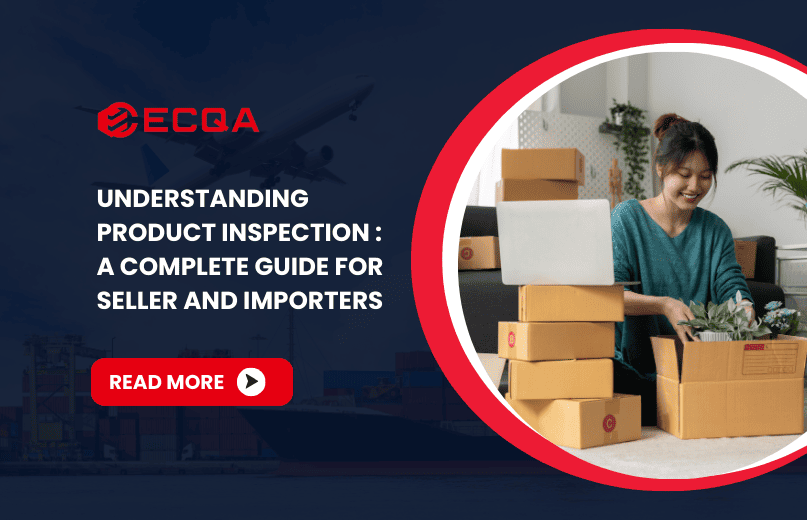
The Complete Guide to Product Inspection
Product inspection is the process of verifying that goods meet your specified requirements before they move forward in the supply chain. It involves a physical check of products, either during or after production, to ensure they meet quality, safety, and compliance standards. In global trade, where supply chains stretch across […]
Baby Products Inspection
Baby products inspection plays a vital role in protecting infants and toddlers by ensuring each item meets strict safety and quality standards before reaching the market. Ensuring the safety and quality of baby products is not just a regulatory requirement, it’s a moral responsibility. From the tiniest pacifier to the […]

Container Loading Supervision Guide
Container loading supervision is a quality control and risk management service that oversees the loading process at factories, warehouses, or ports. The goal is simple but essential: to prevent costly mistakes that could lead to product damage, shipment delays, or regulatory violations. By implementing strict oversight and quality checks, container […]

Navigating Tariffs and Trade Uncertainty: How Businesses Can Adapt and Thrive
Tariff is a taxes or duties imposed by a government on imported goods. They’re typically calculated as a percentage of the product’s value, though in some cases they’re set at a fixed amount per unit. Governments apply tariffs for various reasons. Some aim to protect local industries by making imported […]
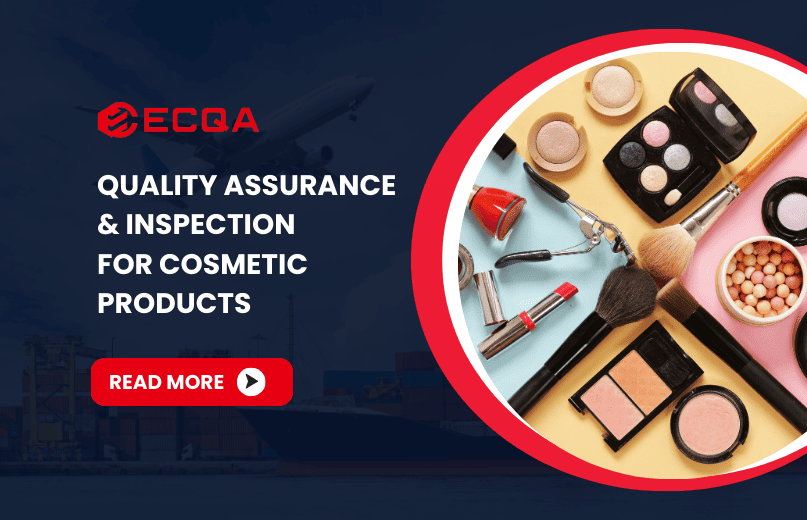
Quality Assurance for Cosmetic Products
Cosmetic products are applied directly to the skin, eyes, and lips, which makes product safety, formulation accuracy, and contamination control essential. Regulatory authorities across major markets require cosmetics to meet defined safety and labeling requirements before they can be legally marketed. What Is Cosmetic Quality Control Cosmetic quality control refers […]

Sofa Quality Control: Key Inspection Steps and Common Defects
Sofa inspection is the process of evaluating sofas during and after production to verify their construction, dimensions, workmanship, appearance, stability, functionality, labeling, and packaging. It helps identify structural and cosmetic defects before shipment and confirms that finished sofas meet approved specifications and quality requirements. Why Sofa Inspection Is Important Sofas […]
 Request Free Sample Report