


Final random inspection (FRI)
A Final Random Inspection (FRI), also known as a Pre-Shipment Inspection (PSI), is a key quality control step conducted after production is complete and typically before the goods are shipped. It ensures that the final products meet the required specifications and quality standards. For companies exporting products or selling to […]

7 Product Labeling and Packaging Mistakes That Cause Rejections
Product labeling and packaging mistakes can cause products to be rejected by retailers, delayed during distribution, removed from online listings, or held because required information cannot be verified. Common problems include missing product information, incorrect regulatory markings, unreadable barcodes, inaccurate date or batch codes, translation errors, and packaging that does […]

How Supplier Audits Improve Product Quality & Reduce Risks
Ensuring product quality and supply chain reliability is essential for any business that wants to maintain customer trust and regulatory compliance. A single oversight in supplier management can lead to defective products, costly recalls, and reputational damage. To prevent these risks, companies rely on supplier audits—a structured evaluation process that […]
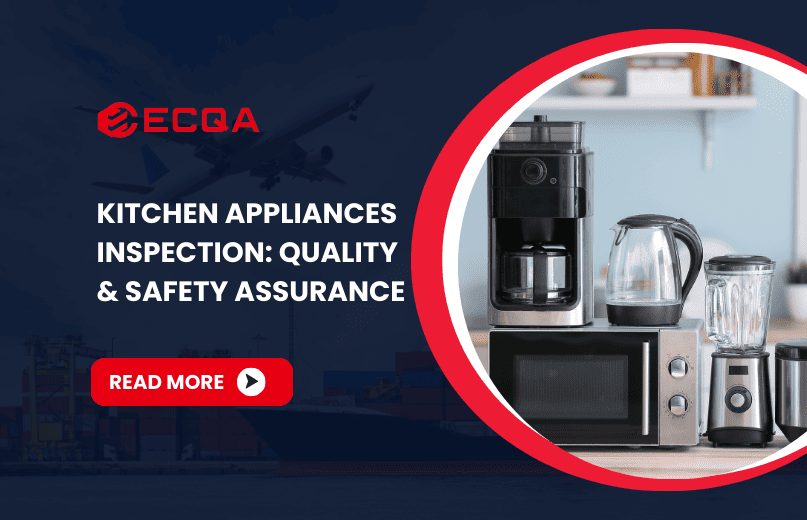
Kitchen Appliances Inspection & Quality Assurance
Kitchen appliances play a critical role in everyday life, whether in homes, restaurants, or commercial kitchens. Consumers expect these products to be safe, durable, and high-performing, but even minor defects can lead to serious consequences. When a product fails to meet quality and safety standards, it can result in returns, […]

Fitness Equipment Quality Inspections
The global fitness industry is growing rapidly, with more gyms, hotels, and wellness centers investing in high-quality fitness equipment to meet customer expectations. At the same time, individual buyers are purchasing treadmills, exercise bikes, and strength training machines for personal home gyms. This rising demand creates an opportunity for distributors, […]

What Is Third-Party Certification
Businesses today face increasing pressure to demonstrate that their products, services, and management systems meet recognized safety, quality, and regulatory standards. Customers, retailers, and regulatory authorities often require independent evidence of compliance before products can enter the market or participate in global supply chains. Third-party certification provides this independent verification. […]

What Does a Quality Control Inspector Do
A quality control inspector is responsible for verifying that products meet defined specifications, regulatory requirements, and customer expectations before shipment or distribution. Across industries such as manufacturing, electronics, textiles, food production, and consumer goods, quality control inspectors play an essential role in maintaining product consistency, reducing defects, and ensuring compliance […]

Quality Assurance vs Compliance: Key Differences and Why They Matter
Quality assurance and compliance are closely related but serve different purposes within quality management and regulatory systems. Quality assurance focuses on preventing defects, maintaining consistency, and improving operational processes through structured controls. Compliance focuses on meeting legal, regulatory, contractual, and industry-specific requirements that govern products, services, manufacturing, and business operations. […]

Export Success with Product Compliance Consulting
In the fast-evolving global marketplace, companies face an increasing array of regulatory standards and compliance requirements for the products they manufacture. The importance of product compliance consulting cannot be overstated, as it ensures that products meet all necessary legal, safety, and quality standards before reaching consumers. Companies that fail to […]

EV Battery Testing Standards: Key Requirements and Regulations
EV battery testing standards are internationally recognized requirements used to evaluate the safety, performance, durability, transportation, and environmental resistance of electric vehicle batteries. Common standards include IEC 62660, ISO 12405, UL 2580, UN 38.3, SAE J2464, and UN ECE R100. These standards help manufacturers demonstrate compliance, improve battery reliability, and […]
 Request Free Sample Report