

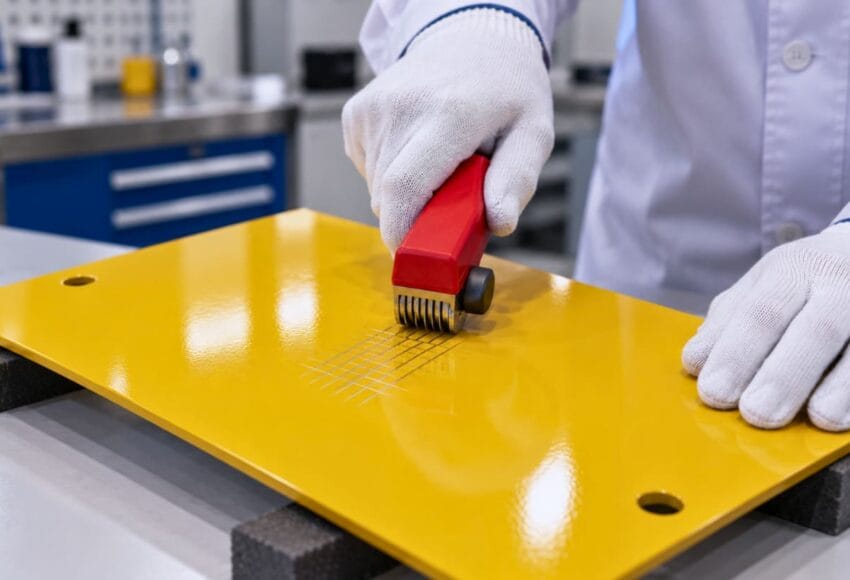
Cross-Cut Adhesion Test: Methods, Standards and Classification
A cross-cut adhesion test evaluates the resistance of a paint or coating to separation from the substrate or an underlying coating layer after a controlled pattern of cuts is made through the coating. It is commonly used for painted, powder-coated, and other coated surfaces as part of coating quality evaluation. […]
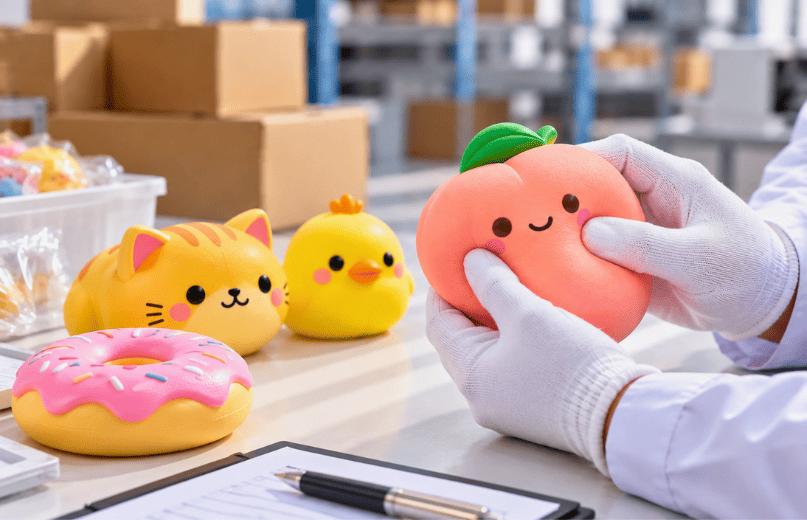
Squishy Toy Quality Control: Inspection Checklist and Safety Requirements
Squishy toys are soft, squeezable toys commonly made from polyurethane (PU) foam or other flexible materials designed to compress and gradually return to their original shape. Their quality depends on foam consistency, shape recovery, surface finishing, printing, durability, and compliance with applicable toy safety requirements. Squishy toy quality control can […]

What Inspection Results Tell You About Your Suppliers
Inspection results provide documented evidence of how goods meet agreed requirements at a particular production stage. Reviewed across orders, they can help assess a supplier’s quality consistency, preparation for inspection, and response to identified problems. A shipment may pass after sorting and rework. The final result supports a decision about […]
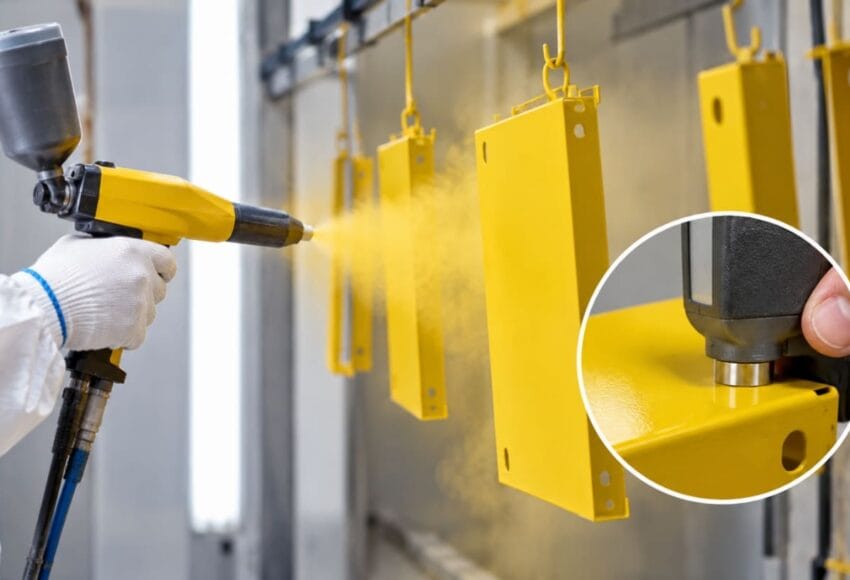
Powder Coating Thickness: How Many Microns Are Required?
Powder coating thickness refers to the thickness of the cured coating film applied to a metal surface. It is usually measured in microns (µm) or mils. Many general-purpose powder coating applications specify a thickness of 60–80 microns (µm). Confirm the required range in the applicable coating or product specification, taking […]

From Failed Inspection to Closed CAPA
A failed inspection identifies goods that do not meet agreed acceptance requirements. Where the findings indicate a significant or recurring problem, corrective and preventive action (CAPA) provides a structured process for investigating causes, implementing improvements, and verifying their effectiveness. The immediate priority is often to correct the goods and protect […]
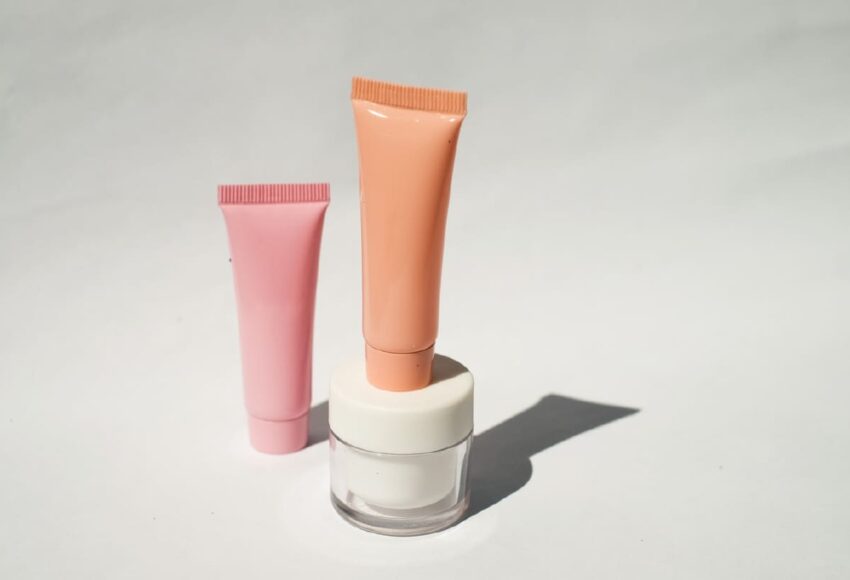
Cosmetic Product Inspection Checklist and Quality Standards
Cosmetic product inspection involves checking finished cosmetic products and their packaging against approved specifications, reference samples, labeling requirements, and defined quality criteria before shipment. The inspection may cover product appearance, fill quantity, packaging integrity, dispenser function, labels, batch codes, retail packaging, and shipping cartons. A structured inspection helps identify visible […]
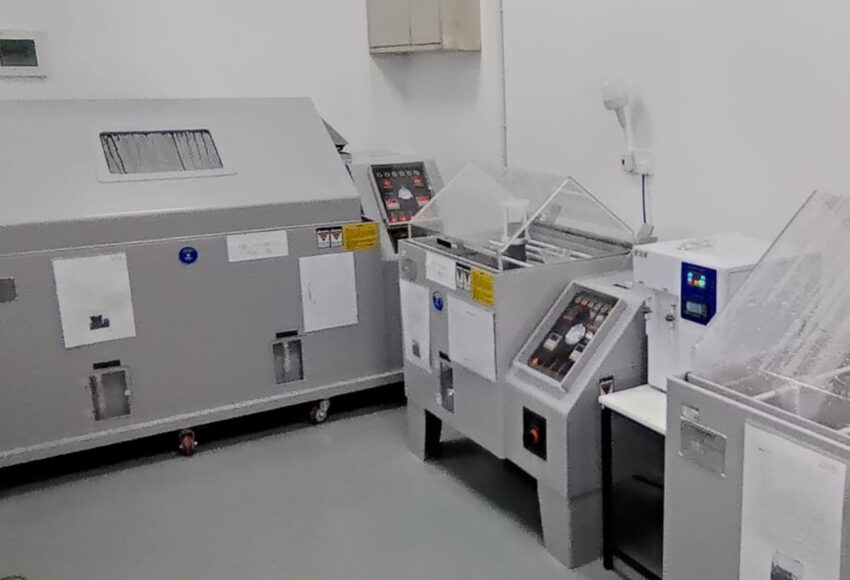
IEC 60068-2-11 Salt Mist Test for Electrical and Electronic Products
IEC 60068-2-11 specifies a salt mist test used to assess the corrosion resistance of electrotechnical products, components, equipment, materials, and protective coatings. The method, designated Test Ka: Salt mist, exposes specimens to a controlled sodium chloride mist to evaluate whether metallic materials and corrosion-protection systems maintain their comparative quality under […]
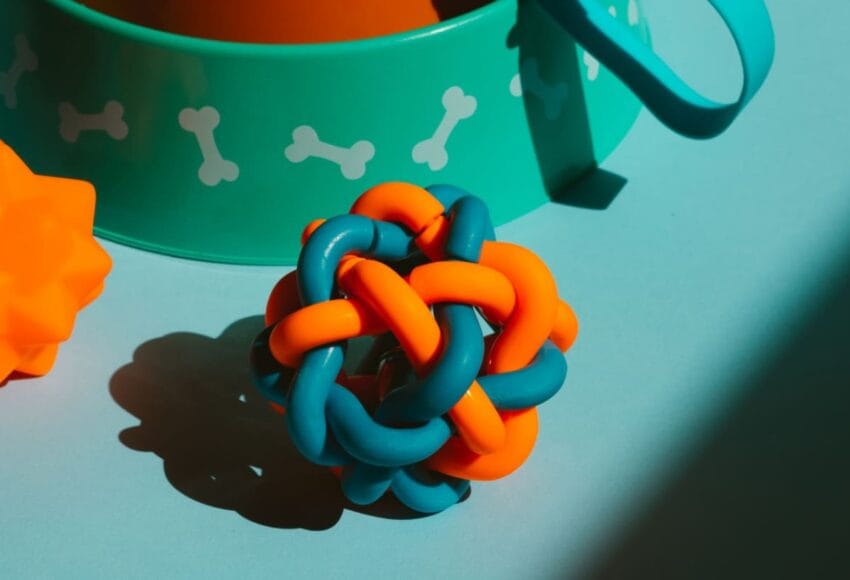
Pet Toy Inspection Checklist and Quality Standards
Pet toy inspection is a quality control process used to verify that pet toys meet approved specifications, workmanship requirements, functional expectations, and packaging standards before shipment. A structured inspection helps identify manufacturing defects that may affect product durability, appearance, function, or animal safety. Pet toys are manufactured from materials such […]

How to Standardize Inspection Criteria Across Multiple Factories
Standardizing inspection criteria across multiple factories means establishing a shared basis for checking products, classifying defects, and evaluating whether goods meet agreed requirements. It connects product specifications, inspection methods, reference samples, and decision rules so that quality findings carry a consistent meaning across manufacturing locations. When the same product is […]

How Quality Inspections Support Product Traceability
A customer reports a defect several weeks after delivery. The product was inspected before shipment, and the inspection report is available. The next question is whether that report can be connected to the affected goods. Which production batch did they come from? Where were they manufactured? What was checked? Were […]
 Request Free Sample Report