Toy Inspection: Quality Control Checklist and Inspection Process
Toy production involves many materials, components, assembly steps, and packaging requirements. Defects such as loose parts, sharp edges, weak seams, incorrect functions, and missing warnings may only become visible after production has started or finished.
A toy inspection checks the available goods against approved samples, product specifications, packaging artwork, purchase orders, and defined quality criteria. It can identify workmanship, function, quantity, labeling, and packaging issues before shipment.
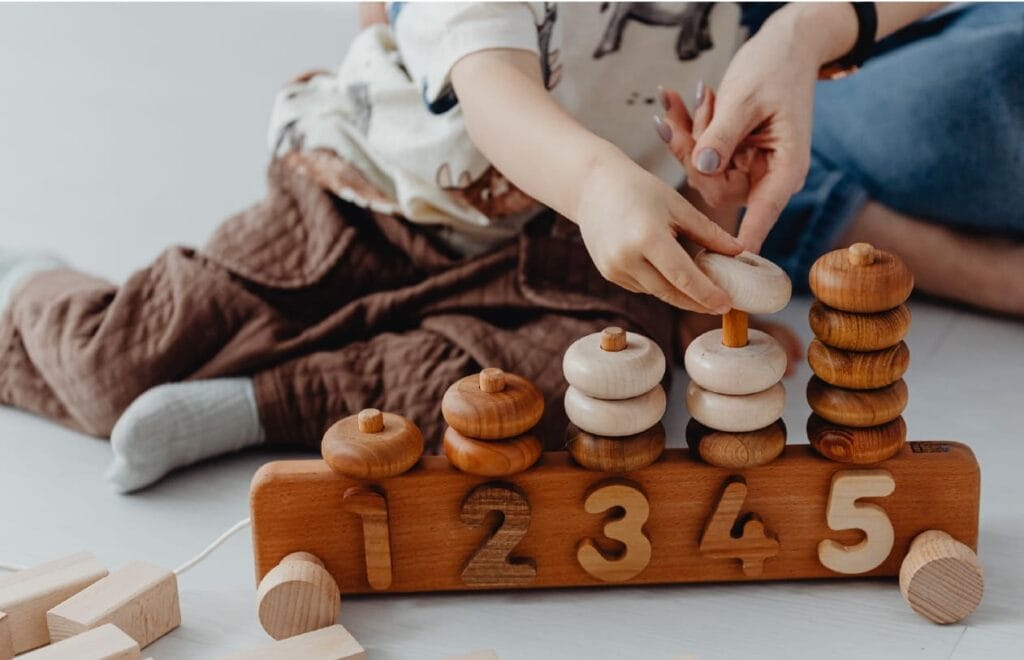
This guide explains the toy inspection process, the main quality control checks, common defects, and typical on-site tests performed at the factory.
Why Toy Inspection is Important
Toy quality can be affected by material changes, component substitutions, inconsistent assembly, printing errors, weak attachments, and packaging mistakes.
A structured toy inspection helps:
- Verify that finished toys match approved specifications
- Identify visible safety and workmanship issues
- Check product dimensions, weight, color, and appearance
- Confirm that moving, electronic, or interactive functions operate correctly
- Verify labels, warnings, age grading, and packaging
- Detect recurring production defects
- Confirm order quantity and packing details
- Provide documented findings before shipment
Factory inspection supports production quality control. Regulatory compliance may also require laboratory testing, technical documentation, certification, or other conformity procedures depending on the toy and destination market.
Types of Toy Inspection
Toy inspections can be conducted at different production stages.
| Inspection Type | Production Stage | Main Purpose |
| Pre-Production Inspection (PPI) | Before mass production | Check materials, components, samples, packaging, and production readiness |
| During Production Inspection (DUPRO) | Usually 20% to 80% completed | Identify quality issues while production is continuing |
| Pre-Shipment Inspection (PSI) | 100% produced and at least 80% packed | Evaluate finished toys before shipment |
| Container Loading Supervision (CLS) | During container loading | Verify goods, quantities, carton condition, and loading process |
The appropriate stage depends on the product complexity, production history, order value, delivery schedule, and identified quality risks.
Toy Inspection Process
A toy inspection follows an agreed scope and inspection protocol.
1. Review the Product Requirements
Before the factory visit, the inspector reviews the available reference documents, which may include:
- Purchase order
- Product specifications
- Approved sample
- Technical drawings
- Bill of materials
- Color references
- Packaging artwork
- Label files
- User instructions
- Test requirements
- Inspection checklist
- Previous inspection findings
Clear specifications help the inspector determine which product features, functions, and packaging details need to be checked.
2. Confirm Production and Packing Status
At the factory, the inspector records:
- Total order quantity
- Quantity produced
- Quantity packed
- Quantity available for inspection
- Product models, colors, or variations
- Location of finished and packed goods
For a pre-shipment inspection, the order should be fully produced and at least 80% packed so that the products and packaging can be evaluated.
3. Select Inspection Samples
Samples are selected from the available order according to the agreed sampling plan.
The selection should cover applicable:
- Models and SKUs
- Colors
- Sizes
- Product variations
- Production batches
- Cartons and packing locations
The inspector selects the samples from the available goods to obtain a representative view of the shipment.
4. Conduct the Inspection
The selected toys are checked for workmanship, appearance, dimensions, functions, labels, packaging, and defined product-specific requirements.
Defects and test results are recorded with supporting photographs.
5. Classify the Defects
Defects are generally classified according to their severity:
| Classification | Description |
| Critical defect | A condition that may present a safety or regulatory risk |
| Major defect | A problem that affects function, durability, appearance, saleability, or customer use |
| Minor defect | A limited workmanship or cosmetic issue with a small effect on normal use |
The agreed acceptance criteria determine the overall inspection result.
6. Issue the Inspection Report
The report documents the available quantities, selected samples, checks performed, defects found, test results, packaging findings, and photographs.
The buyer reviews the report and decides whether to approve shipment, request corrective action, arrange a re-inspection, or hold the goods.
Toy Inspection Checklist
The exact checklist depends on the toy type, materials, functions, age grading, and destination market. The following sections cover common inspection points.
Product Identification
The inspector confirms that the goods match the order information.
Checks may include:
- Product name
- Model or item number
- Purchase order number
- Product version
- Color and design
- Intended age group
- Included accessories
- Order quantity
- Packing quantity
Mixed models or incorrect product versions should be recorded.
Materials and Components
Visible materials and components are compared with the approved specifications or reference sample.
Checks may include:
- Plastic type and appearance
- Fabric or plush material
- Wood components
- Metal parts
- Foam or filling
- Electronic components
- Wheels, axles, hinges, and joints
- Magnets
- Batteries and battery compartments
- Cords, straps, and elastic parts
- Decorative parts
- Fasteners and adhesives
Inspectors may identify visible substitutions or inconsistencies. Material composition and restricted substances generally require document review or laboratory testing.
Workmanship and Appearance
Workmanship checks identify visible production defects.
Common inspection points include:
- Cracks, chips, dents, or deformation
- Sharp points or accessible sharp edges
- Burrs and rough surfaces
- Loose or missing components
- Exposed fasteners
- Excess glue
- Poorly fitted parts
- Uneven gaps
- Scratches and stains
- Color variation
- Printing defects
- Misaligned graphics
- Paint or coating defects
- Unpleasant or unusual odor
The toy should match the approved appearance and remain consistent across the inspected samples.
Assembly and Construction
The inspector checks whether the toy is assembled securely and correctly.
Checks may include:
- Component alignment
- Screw and fastener security
- Joint strength
- Wheel attachment
- Hinge movement
- Seam strength
- Stuffing distribution
- Adhesive bonding
- Detachable components
- Assembly instructions
- Fit of user-assembled parts
Incomplete assembly, weak connections, or incorrect components can affect product function and durability.
Dimensions and Weight
Selected samples are measured against the product specification.
Typical measurements include:
- Overall length, width, and height
- Component dimensions
- Cord or strap length
- Wheel diameter
- Product weight
- Package dimensions
- Carton dimensions and weight
The acceptable tolerances should be established before the inspection.
Functional Checks
The inspector operates the toy according to the instructions and intended use.
Depending on the product, checks may include:
- Buttons and switches
- Lights and sounds
- Moving components
- Pull-back or wind-up mechanisms
- Remote-control functions
- Sensors
- Wheels and steering
- Doors, lids, and compartments
- Folding or transformation functions
- Assembly and disassembly
- Charging functions
- Battery installation
- App or wireless connection, where applicable
Functions should operate consistently without sticking, unexpected interruption, excessive noise, or visible damage.
Plush Toy Checks
For plush toys, the inspection may include:
- Seam condition
- Stitching quality
- Filling distribution
- Symmetry
- Embroidered features
- Attached eyes, noses, and decorations
- Zippers or openings
- Loose threads
- Fabric stains
- Product shape
- Access to filling material
Weak seams and poorly attached decorative parts should be recorded because they may create loose components during use.
Battery-Operated and Electronic Toy Checks
For battery-operated toys, common checks include:
- Battery type and orientation
- Battery compartment construction
- Battery cover security
- Screw condition
- Polarity markings
- Power switch
- Indicator lights
- Charging port alignment
- Included cable or adapter
- Sound and light functions
- Abnormal heat during a basic function check
- Instructions and warnings
Electrical safety, battery performance, electromagnetic compatibility, and abnormal-operation testing may require laboratory testing.
Labeling and Instructions
Toy labels and instructions are checked against the approved artwork and destination-market requirements supplied for the inspection.
Checks may include:
- Product name and model
- Manufacturer or responsible-party information
- Country of origin
- Age grading
- Warning statements
- Tracking or batch information
- Battery information
- Product markings
- Instruction language
- Assembly instructions
- Barcode
- Recycling or disposal symbols
Text should be legible, accurate, complete, securely applied, and consistent with the approved files.
Retail Packaging
The retail package should protect the toy and present the correct product information.
Inspectors may check:
- Packaging type
- Artwork and color
- Product visibility
- Package dimensions
- Inserts and trays
- Fastening methods
- Accessories
- Manuals and leaflets
- Barcode readability
- Warning placement
- Seals
- Package damage
- Packing quantity
The product should fit securely without excessive movement or damaging contact with the packaging.
Shipping Cartons
Outer-carton checks may include:
- Carton dimensions
- Gross and net weight
- Carton strength and condition
- Quantity per carton
- Shipping marks
- Purchase order number
- Model number
- Destination information
- Carton numbering
- Sealing method
- Strapping
- Moisture or contamination
- Mixed-product packing
Cartons should be suitable for the product weight and expected handling conditions.
Common Toy Defects
Common defects found during toy inspections include:
| Defect | Example |
| Loose component | Wheel, button, eye, or decorative part is not securely attached |
| Sharp edge or point | Accessible plastic or metal edge may cause injury |
| Cracked housing | Plastic body is cracked, split, or damaged |
| Poor assembly | Components are misaligned or incorrectly fitted |
| Function failure | Light, sound, movement, or electronic function does not operate |
| Weak seam | Plush or fabric seam opens under light force |
| Exposed filling | Stuffing is accessible through an opening |
| Printing defect | Graphic is blurred, incomplete, scratched, or misaligned |
| Color variation | Product color differs between units or from the approved sample |
| Missing accessory | Required component, battery, tool, or instruction is absent |
| Incorrect label | Warning, age grade, model, or barcode is missing or incorrect |
| Packaging damage | Retail box or shipping carton is crushed, torn, or contaminated |
A defect list should be adapted to the specific toy because the same issue may have a different severity depending on its location, accessibility, and effect on use.
Common On-Site Tests for Toy Inspection
On-site tests provide basic information about product function and workmanship under factory conditions.
Function Test
The inspector operates the toy according to the instructions and verifies its main functions.
Assembly Test
A selected unit is assembled using the supplied components, tools, and instructions. The inspector checks component fit, assembly sequence, stability, and completeness.
Drop Check
A toy or packaged product may be dropped from an agreed height and examined for breakage, functional damage, or packaging failure.
Pull Check
A specified force may be applied to attached parts such as eyes, buttons, wheels, decorations, handles, or straps. The test parameters should be defined in the inspection protocol.
Seam Check
Plush and fabric seams may be examined under an agreed force to identify openings, broken stitches, or access to filling material.
Adhesive Tape Check
Adhesive tape may be applied to printed or coated surfaces to check whether graphics or coatings detach easily.
Battery Function Check
Batteries are installed to verify polarity, power, sound, light, movement, and basic operating stability.
Abuse or Repeated-Use Check
Buttons, switches, hinges, wheels, and moving mechanisms may be operated repeatedly for an agreed number of cycles.
Barcode Scan
Retail and carton barcodes are scanned to confirm readability and encoded information.
Carton Drop Test
A packed shipping carton may be dropped according to an agreed method and examined for product and packaging damage.
These factory checks do not replace formal safety or performance testing conducted under controlled laboratory conditions.
Toy Inspection and Laboratory Testing
Toy inspection and laboratory testing address different parts of quality and compliance.
Factory inspection evaluates the condition of the available production lot. It commonly covers:
- Workmanship
- Appearance
- Dimensions
- Functions
- Quantity
- Labels
- Packaging
- Basic on-site tests
Laboratory testing evaluates samples using defined test methods and equipment. Depending on the product and market, testing may cover:
- Mechanical and physical properties
- Flammability
- Chemical substances
- Electrical safety
- Battery safety
- Electromagnetic compatibility
- Migration of certain elements
- Small parts and other age-related hazards
Applicable requirements may include standards or regulations such as EN 71, ASTM F963, CPSIA requirements, ISO 8124, or other destination-market rules. The required tests depend on the toy’s materials, functions, intended age group, and sales market.
What Happens After a Toy Inspection?
After receiving the report, the buyer may:
Approve the Shipment
Shipment can proceed when the findings meet the agreed requirements.
Request Corrective Action
The factory may be asked to repair, replace, sort, relabel, or repack affected products.
Arrange a Re-Inspection
A follow-up inspection can verify whether corrective actions have been completed across the affected goods.
Hold the Shipment
Shipment may be delayed when safety, function, quantity, labeling, or packaging issues remain unresolved.
The inspection report provides documented findings. The final shipment decision remains with the buyer or authorized party.
Best Practices for Toy Quality Control
Toy quality should be managed throughout product development and production.
Recommended practices include:
- Define product specifications before production
- Approve a representative production sample
- Confirm materials and components
- Identify applicable market requirements
- Establish product-specific defect criteria
- Review packaging artwork before printing
- Inspect early production when risks are high
- Monitor component or material changes
- Verify corrective actions
- Conduct a final inspection before shipment
- Complete applicable laboratory testing
- Maintain batch and product traceability
Clear specifications and consistent production controls help reduce recurring defects and shipment delays.
Toy inspection provides an independent record of product condition before goods leave the factory. A structured checklist helps evaluate workmanship, functions, dimensions, visible safety concerns, labels, packaging, and order quantity.
Combining production controls, factory inspection, and applicable laboratory testing supports consistent toy quality and helps identify issues before shipment.
To review the typical findings, photographs, and test records included in the final document, request a sample toy inspection report from ECQA.

 Request Free Sample Report