Supplier Audit in China: Factory Audit Checklist and Process
A supplier audit in China is an on-site assessment of a supplier’s manufacturing capability, quality management system, production processes, facilities, and operational controls. It provides independent evidence that can support supplier qualification and purchasing decisions.
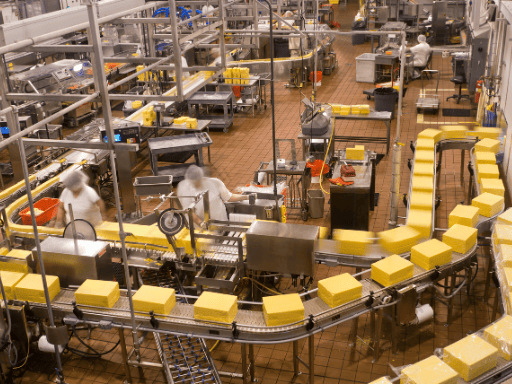
For companies sourcing products from China, an audit can verify whether a supplier has the equipment, production capacity, quality controls, testing capabilities, and management systems required for the intended product and order volume.
It can also identify risks that may be difficult to detect through quotations, samples, video calls, or supplier-provided documents, including undisclosed subcontracting, inadequate capacity, weak traceability, and gaps between documented procedures and actual factory practices.
This guide explains what a supplier audit in China checks, the audit process, common findings, and when an audit should be conducted.
What is a Supplier Audit in China?
A supplier audit evaluates whether a potential or existing supplier has the resources, systems, processes, and controls required to meet defined manufacturing and quality requirements.
The assessment typically takes place at the manufacturing facility. During the audit, the auditor observes factory operations, reviews documents and records, examines production and quality controls, and verifies available resources.
A supplier audit may evaluate:
- Company and factory information
- Manufacturing facilities
- Production capacity
- Machinery and equipment
- Quality management systems
- Incoming material controls
- Production process controls
- In-process and final inspections
- Testing capabilities
- Equipment maintenance and calibration
- Warehouse management
- Product traceability
- Non-conforming product controls
- Corrective action procedures
The findings are documented in an audit report that can be used to evaluate supplier capability and identified risks.
Why Conduct a Supplier Audit in China?
China has a large and diverse manufacturing base covering consumer products, electronics, textiles, footwear, toys, household goods, machinery, automotive components, packaging, and many other industries.
Supplier capabilities can vary considerably between factories. Information available through sourcing platforms, websites, catalogs, quotations, and samples provides only part of the information needed to evaluate manufacturing capability.
An on-site supplier audit can help identify issues such as:
- Production capacity that does not match supplier claims
- Undisclosed or poorly controlled subcontracting
- Inadequate machinery or production resources
- Weak incoming material controls
- Inconsistent quality procedures
- Limited testing capabilities
- Poor equipment maintenance or calibration
- Inadequate product traceability
- Weak non-conforming product controls
- Differences between written procedures and actual factory practices
These findings provide additional information for supplier approval, corrective action, or further evaluation.
What Does a China Supplier Audit Check?
The exact audit checklist depends on the product, manufacturing processes, supplier risk, and defined audit scope. Several areas are commonly evaluated during a supplier or factory audit.
1. Company and Factory Information
The auditor reviews available company information and compares it with actual factory operations.
Checks may include:
- Business license
- Registered company name
- Factory address
- Business scope
- Factory size
- Organizational structure
- Main product categories
- Manufacturing activities
- Export markets
Significant inconsistencies can be documented for further review.
2. Production Capacity and Machinery
Production capability should be appropriate for the expected product and order volume.
The audit may evaluate:
- Production machinery
- Number of production lines
- Equipment condition
- Current production activity
- Production output
- Capacity utilization
- Bottleneck processes
- Workforce allocation
- Production planning
- Lead-time management
A supplier may be capable of producing an acceptable sample while having insufficient resources or process control for larger-scale production. The audit therefore considers actual factory resources when assessing stated production capacity.
3. Quality Management System
The audit reviews how product quality is managed throughout production.
Typical areas include:
- Quality department structure
- Quality procedures
- Inspection instructions
- Sampling procedures
- Defect classification
- Quality records
- In-process inspections
- Final inspections
- Non-conforming product controls
- Corrective and preventive actions
Where a factory operates under ISO 9001 or another quality management framework, certification can form part of the assessment. Practical implementation should also be reviewed to determine whether established procedures are being followed during normal operations.
4. Incoming Material Control
Raw materials and purchased components can introduce quality problems before production begins.
The auditor may check whether the factory:
- Maintains approved supplier information
- Defines material specifications
- Conducts incoming inspections
- Records inspection results
- Identifies materials by lot or batch
- Separates accepted and rejected materials
- Maintains suitable storage conditions
Weak incoming controls can allow incorrect or defective materials to enter production.
5. Production Process Control
Production processes are reviewed to determine how the factory controls manufacturing consistency.
Areas may include:
- Work instructions
- Approved samples
- Product specifications
- Production line organization
- Process parameters
- First-piece approval
- In-process inspections
- Equipment settings
- Defect handling
The auditor can compare documented requirements with conditions observed on the production floor.
6. Testing and Inspection Capabilities
Where the factory performs product testing or internal inspections, the audit may review:
- Testing equipment
- Test procedures
- Inspection frequency
- Test records
- Applicable product specifications
- Equipment calibration
- Personnel competency
Factory testing can provide useful production control information. Products requiring formal third-party compliance testing may also require separate testing through an appropriate laboratory.
7. Equipment Maintenance and Calibration
Machinery and measuring equipment can affect product consistency and measurement accuracy.
The audit may examine:
- Preventive maintenance schedules
- Maintenance records
- Equipment condition
- Calibration schedules
- Calibration records or certificates
- Identification of calibrated equipment
Missing, expired, or incomplete maintenance and calibration records can indicate weaknesses in equipment control.
8. Warehouse and Material Management
Warehouse controls can affect material condition, inventory management, and traceability.
Checks may include:
- Raw material storage
- Finished product storage
- Material identification
- FIFO procedures where applicable
- Environmental controls where required
- Segregation of rejected materials
- Inventory controls
- Warehouse access
Materials requiring controlled temperature, humidity, cleanliness, or other storage conditions should be managed according to the applicable requirements.
9. Non-Conforming Product Control
Factories should have defined methods for identifying and controlling rejected or non-conforming materials and products.
The auditor may check whether rejected items are:
- Clearly identified
- Segregated from accepted goods
- Recorded
- Reviewed
- Reworked under controlled procedures
- Disposed of appropriately where necessary
Weak segregation creates a risk that rejected items may return to production or become mixed with acceptable goods.
10. Traceability and Documentation
Traceability provides records that can support defect investigation and identification of affected production batches.
Depending on the product, the audit may review:
- Material lot numbers
- Production dates
- Production line records
- Inspection records
- Batch identification
- Supplier records
- Finished product identification
Effective traceability becomes particularly important when a quality problem requires root-cause investigation or corrective action.
China Supplier Audit Checklist
A typical supplier audit checklist may cover the following areas:
| Audit Area | Typical Checks |
| Company Information | Business license, factory address, organization and manufacturing scope |
| Production Capability | Machinery, production lines, workforce, capacity and lead time |
| Quality Management | Procedures, quality personnel, inspection records and internal controls |
| Incoming Materials | Supplier controls, incoming inspection and material identification |
| Production Control | Work instructions, process monitoring and in-process inspection |
| Equipment | Maintenance, calibration and equipment condition |
| Testing | Testing facilities, methods, records and equipment |
| Warehouse | Storage conditions, segregation and inventory controls |
| Final Inspection | Product inspection, sampling, defect classification and records |
| Traceability | Material, production and finished-product identification |
| Non-Conforming Products | Segregation, disposition, rework and records |
| Corrective Actions | Root-cause analysis, corrective action and follow-up |
The checklist can be adapted according to product requirements, manufacturing processes, supplier risk, and the purpose of the audit.
Supplier Audit Process in China
A third-party supplier audit generally follows a structured process.
Step 1: Define the Audit Scope
The audit scope establishes what needs to be evaluated.
Relevant information may include:
- Product category
- Factory location
- Manufacturing processes
- Expected production capacity
- Quality system requirements
- Testing requirements
- Buyer-specific requirements
- Known supplier risks
A clearly defined scope allows the audit to focus on the areas relevant to the supplier evaluation.
Step 2: Review Supplier Information
Available supplier information can be reviewed before the factory visit.
This may include:
- Company information
- Product information
- Certifications
- Product specifications
- Previous audit reports
- Previous quality concerns
- Manufacturing process information
This information helps prepare the audit plan and identify areas requiring closer examination.
Step 3: Conduct the On-Site Factory Audit
The auditor visits the manufacturing facility and verifies actual operating conditions.
The visit may include:
- Opening meeting
- Factory tour
- Production line assessment
- Warehouse inspection
- Quality control review
- Testing facility review
- Document examination
- Discussions with responsible personnel
Photographs and supporting evidence may also be collected where permitted.
Step 4: Review Documents and Records
Written procedures are compared with evidence of actual implementation.
Typical records may include:
- Quality procedures
- Incoming inspection records
- In-process inspection records
- Final inspection reports
- Calibration records
- Maintenance records
- Training records
- Production records
- Corrective action records
Documentation gaps may indicate weaknesses in process control, implementation, or traceability.
Step 5: Evaluate Manufacturing Processes
The auditor observes how materials and products move through production and evaluates the controls applied at relevant manufacturing stages.
Processes that directly affect product quality, consistency, safety, or compliance may receive additional attention according to the audit scope.
Step 6: Record Findings and Non-Conformities
Identified gaps are documented with supporting evidence.
Depending on the audit methodology, findings may be classified according to severity or assigned scores or ratings.
The purpose is to provide enough information to understand the significance of each finding and determine what follow-up may be required.
Step 7: Issue the Supplier Audit Report
After the audit, a structured report documents the supplier’s capabilities and identified risks.
The report may include:
- Factory profile
- Production capability assessment
- Quality system assessment
- Audit findings
- Non-conformities
- Photographic evidence
- Audit scores or ratings where applicable
- Recommendations
Step 8: Follow Up Corrective Actions
Where significant findings are identified, the supplier may be required to prepare a Corrective Action Plan (CAP).
Follow-up can include document review or another on-site audit depending on the nature and severity of the findings.
Common Risks Found During Supplier Audits in China
Supplier audits can reveal conditions that may not be visible during supplier selection or sample evaluation.
Supplier Operations Do Not Match Expectations
A supplier presented as a manufacturer may rely on external manufacturing resources or perform fewer processes internally than expected.
An on-site audit provides evidence of the manufacturing activities actually performed at the facility.
Undisclosed Subcontracting
Some manufacturing processes may be outsourced to external facilities.
Where subcontractors have not been evaluated or approved, this can create additional quality, traceability, and production control risks.
Production Capacity Does Not Match Claims
Stated production capacity can be compared with actual machinery, production lines, workforce, production activity, and planning systems.
Significant differences may affect the supplier’s ability to handle the expected order volume or delivery schedule.
Weak Incoming Material Controls
Insufficient incoming inspection can allow material variation or incorrect components to enter production.
The audit can examine how materials are approved, inspected, identified, recorded, and stored.
Inconsistent Quality Procedures
A factory may have documented quality procedures while implementation varies between production lines, departments, or shifts.
Auditors therefore review both written systems and actual factory practices.
Poor Maintenance or Calibration
Missing maintenance records, worn machinery, overdue calibration, or reactive maintenance practices can affect production consistency and measurement reliability.
Limited Traceability
Incomplete batch or production identification can make it difficult to identify affected materials and products when a quality issue occurs.
When Should a Supplier Audit Be Conducted?
A supplier audit can be useful at several stages of the sourcing relationship.
Before Approving a New Supplier
An audit can provide additional evidence about manufacturing capability and quality controls before significant deposits, tooling costs, or production orders are committed.
Before Placing a Large Order
A larger order may require greater production capacity, workforce availability, equipment utilization, and process control.
An audit can assess whether available resources are reasonably aligned with the planned order.
When Introducing a New Product
A new product may require different materials, machinery, manufacturing processes, testing capabilities, or technical expertise.
Existing supplier experience with another product does not automatically establish capability for the new manufacturing requirements.
After Repeated Quality Problems
Repeated defects, inconsistent production batches, delayed deliveries, or recurring corrective actions may indicate underlying weaknesses in production or quality management.
After Significant Factory Changes
A new factory location, ownership change, major equipment changes, new production lines, subcontractor changes, or management changes may justify reassessment.
As Part of Ongoing Supplier Management
Periodic audits can be used to review important suppliers and follow up on previously identified corrective actions.
Supplier Audit vs Factory Audit in China: What’s the Difference?
The terms supplier audit and factory audit are frequently used interchangeably when the supplier operates its own manufacturing facility.
A factory audit generally focuses on the manufacturing site and areas such as:
- Production capacity
- Machinery and equipment
- Manufacturing processes
- Quality systems
- Factory organization
- Testing capabilities
A supplier audit may have a broader scope that also considers supplier qualification, sourcing controls, subcontracting, supply chain management, and other supplier-related risks.
When evaluating a Chinese manufacturer, the practical scope of the two audits can overlap considerably.
Supplier Audit vs Product Inspection
A supplier audit evaluates the supplier’s capabilities and management controls. A product inspection examines a specific order or batch of goods against defined specifications and quality requirements.
| Supplier Audit | Product Inspection |
| Evaluates the supplier or factory | Evaluates a specific order or batch |
| Reviews manufacturing capability | Checks actual products |
| Reviews quality management systems | Checks workmanship and specifications |
| Reviews machinery and processes | Checks selected product samples |
| Reviews supplier controls and documentation | Records product defects and inspection results |
| Supports supplier qualification | Supports order-level acceptance decisions |
Common product inspection stages include:
- Pre-Production Inspection (PPI)
- During Production Inspection (DUPRO)
- Pre-Shipment Inspection (PSI)
- Container Loading Supervision (CLS)
Supplier audits and product inspections therefore address different levels of quality control within the sourcing process.
How to Prepare for a Supplier Audit in China
Before the audit, provide relevant information that helps define the required scope.
This may include:
- Supplier name and factory address
- Product category
- Product specifications
- Expected order volume
- Critical manufacturing processes
- Required certifications
- Testing requirements
- Previous quality concerns
- Specific audit requirements
Where a particular risk has already been identified, the audit scope can include additional verification of areas such as subcontracting, production capacity, traceability, testing, or quality management.
What Should Be Included in a Supplier Audit Report?
A supplier audit report should provide sufficient evidence to support supplier evaluation and follow-up decisions.
Typical contents include:
- Factory identification and profile
- Production facilities
- Main machinery and equipment
- Production capacity
- Quality management findings
- Material controls
- Manufacturing process observations
- Testing capabilities
- Warehouse conditions
- Traceability
- Non-conformities
- Photographic evidence
- Audit conclusions or ratings
Significant findings should be clearly documented so that appropriate corrective actions or further evaluation can be determined.
Supplier Audit Services in China
A third-party supplier audit provides independent on-site verification of a supplier’s manufacturing capability, quality systems, production controls, and other defined requirements.
ECQA conducts supplier and factory audits across manufacturing regions in China. Depending on the required scope, audits can cover factory information, production capacity, machinery, quality management systems, material controls, manufacturing processes, testing capabilities, documentation, traceability, and corrective action systems.
For a supplier under evaluation, conducting an audit before a significant production order can provide information about manufacturing and quality risks while there is still time to request corrective action.
Contact ECQA to arrange a supplier audit in China or define an appropriate audit scope for your supplier and product.

 Request Free Sample Report