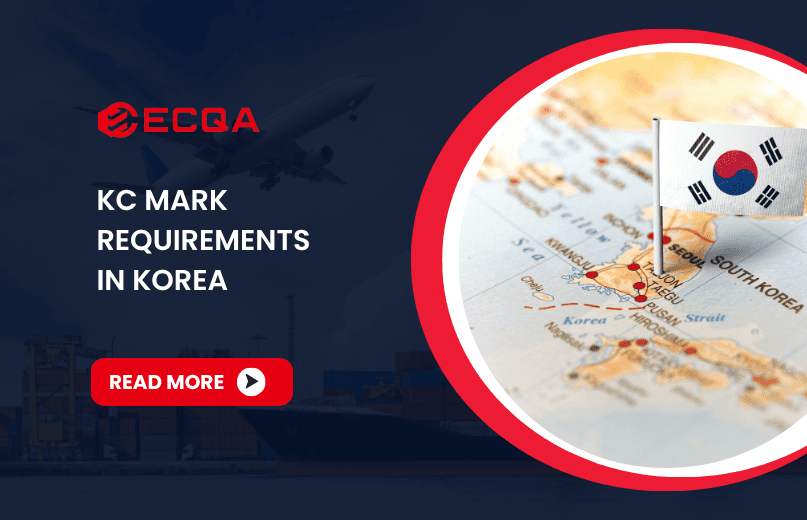
KC Mark Requirements in Korea
The KC (Korea Certification) Mark is the national conformity assessment mark of South Korea, indicating that a product meets the country’s safety, electromagnetic compatibility (EMC), and radio frequency (RF) requirements. It ensures that electrical and electronic products distributed in the Korean market are compliant with the Korean Agency for Technology […]
How to Verify Third-Party Laboratory Accreditation
Laboratory accreditation verification is the process of confirming that a testing or calibration laboratory operates under recognized technical and quality standards. The verification ensures that laboratory results are valid, traceable, and accepted under international frameworks such as ISO/IEC 17025, CNAS, and the ILAC-MRA (International Laboratory Accreditation Cooperation Mutual Recognition Arrangement). […]
Understanding ILAC: The Global Framework for Laboratory Accreditation
The International Laboratory Accreditation Cooperation (ILAC) is the global authority responsible for establishing mutual recognition among national accreditation bodies that assess testing, calibration, inspection, and other conformity assessment activities. ILAC ensures that laboratory results issued under recognized accreditation are technically reliable and accepted across national borders, reducing duplication of testing […]
ISO 9001: Quality Management System Certification Explained
ISO 9001 is the world’s most recognized standard for establishing an effective Quality Management System (QMS). It provides a structured framework for businesses to deliver consistent quality, meet customer expectations, and comply with international regulations. For manufacturers, exporters, and global brands, ISO 9001 certification demonstrates a verified commitment to quality […]
Top 10 Reasons Electronics Products Fail Compliance
Electronics compliance failures occur when products do not meet international safety, environmental, or certification requirements. Every charger, circuit board, and battery shipped across borders must satisfy strict rules such as CE marking, RoHS substance restrictions, REACH chemical disclosure, EMC standards, and country specific certifications. A single mistake can result in […]
Physical and Mechanical Testing for Product Safety and Compliance
Physical and mechanical testing is the foundation of modern quality assurance for consumer products, industrial goods, and packaging materials. Every item that reaches the hands of consumers, whether it is a children’s toy, an electronic appliance, or a food contact container, must withstand real world use and comply with international […]
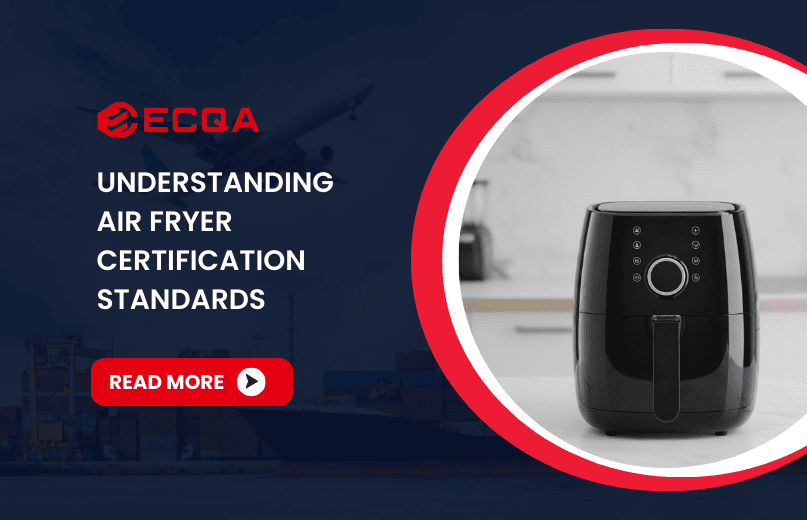
Understanding Air Fryer Certification Standards
Air fryers have become one of the most popular household kitchen appliances worldwide, prized for their ability to deliver crispy, fried-style results with minimal oil. While consumers focus on convenience and performance, regulators and industry bodies place equal emphasis on safety, compliance, and environmental impact. Because air fryers rely on […]
Product Inspection Cost: How Inspection Fees Are Calculated
Product inspection cost depends on the time and resources required to complete the inspection. Inspection companies commonly calculate fees based on inspector man-days, with the final cost influenced by factory location, inspection scope, sample size, number of SKUs, product complexity, and any additional testing requirements. A straightforward inspection may require […]
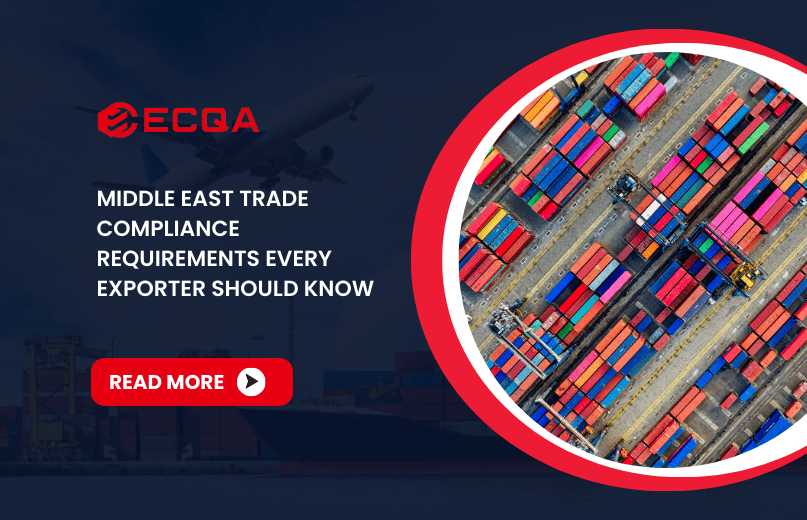
Middle East Trade Compliance Requirements: Certification and Conformity Guide
Countries across the Middle East operate their own conformity assessment and import compliance programs to verify that products entering their markets meet applicable safety, quality, and regulatory requirements. Depending on the destination country and product category, exporters may be required to obtain: Failure to comply with applicable requirements may result […]
Sedex SMETA Audit: Complete Guide to Ethical Trade Compliance
Sedex SMETA stands for Sedex Members Ethical Trade Audit, a widely recognized methodology that evaluates labor standards, health and safety, environmental management, and business ethics in global supply chains. Companies across industries use SMETA audits to demonstrate responsible sourcing, ensure compliance with ethical trade requirements, and build trust with buyers […]
 Request Free Sample Report