
Pet Toy Inspection Checklist and Quality Standards
Pet toy inspection is a quality control process used to verify that pet toys meet approved specifications, workmanship requirements, functional expectations, and packaging standards before shipment. A structured inspection helps identify manufacturing defects that may affect product durability, appearance, function, or animal safety.
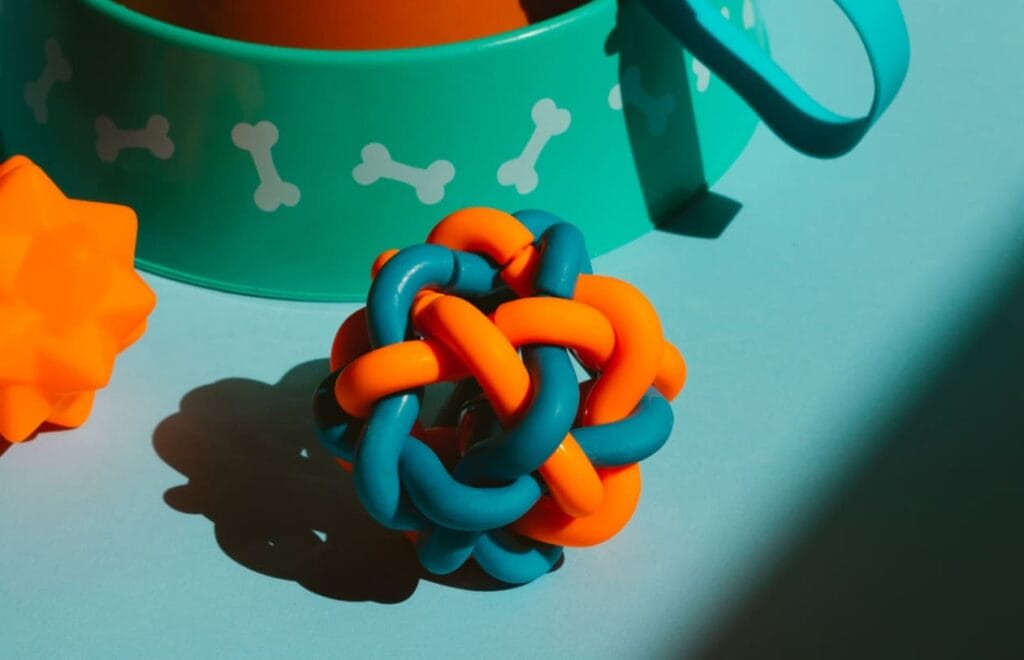
Pet toys are manufactured from materials such as fabric, rope, rubber, plastic, foam, and natural fibers. Some designs also contain stuffing, squeakers, bells, feathers, catnip inserts, batteries, and moving components. Each material and component must be correctly assembled and suitable for the product’s intended use.
Pet toy inspections are commonly conducted as part of pre-shipment inspection (PSI), during production inspection (DUPRO), factory quality control procedures, or third-party product inspection programs. These inspections evaluate finished products against approved samples, specifications, packaging artwork, and agreed acceptance criteria.
Why Pet Toy Inspection Is Important
Pet toys are exposed to biting, chewing, pulling, scratching, throwing, and repeated impact during normal use. Weak seams, loose components, cracked plastic, sharp edges, or exposed stuffing can affect product performance and create potential safety risks.
Quality inspection helps identify these issues before shipment, reducing the risk of product returns, customer complaints, retailer rejection, and corrective action after distribution.
Pet toy inspections commonly help verify:
- Material quality
- Stitching and seam construction
- Component attachment
- Product dimensions
- Functional performance
- Shape and appearance
- Sharp edges and rough surfaces
- Stuffing containment
- Packaging quality
- Quantity and assortment
- Label and barcode accuracy
Independent inspection also provides consistent quality evaluation across different factories and production batches.
Types of Pet Toys Commonly Covered During Inspection
Pet toy inspection can be applied to a wide range of products designed for dogs, cats, and other domestic animals.
Common products include:
- Plush pet toys
- Squeaky toys
- Rope toys
- Tug toys
- Rubber chew toys
- Plastic chew toys
- Pet balls
- Fetch toys
- Treat-dispensing toys
- Interactive puzzle toys
- Catnip toys
- Cat teaser wands
- Feather toys
- Floating pet toys
- Dental chew toys
- Electronic pet toys
Individual checkpoints vary according to the materials, construction, functions, and intended use of each product. Plush toys require detailed seam and stuffing checks, while rubber and plastic toys require closer examination of molded surfaces, cracks, wall condition, and material odor.
Pet Toy Inspection Checklist
Pet toy inspection procedures are normally based on approved samples, technical specifications, purchase orders, product drawings, packaging artwork, and agreed quality requirements.
Visual and Workmanship Inspection
Visual inspection evaluates the overall appearance and manufacturing quality of finished pet toys.
Typical inspection points include:
- Surface stains
- Dirt or contamination
- Incorrect color
- Color variation
- Loose threads
- Uneven stitching
- Skipped stitches
- Open seams
- Exposed stuffing
- Uneven shape
- Fabric damage
- Scratches
- Dents
- Cracks
- Rough molded surfaces
- Glue residue
- Printing defects
- Incorrect logo placement
- Missing components
- Strong or unusual odors
Inspectors also compare products with the approved sample to verify consistency in color, shape, materials, construction, and overall appearance.
Material and Component Verification
Pet toy quality depends on the consistency and condition of the materials used during production.
Inspection items commonly include:
- Outer fabric
- Rope material and diameter
- Rubber quality
- Plastic components
- Stuffing material
- Foam
- Thread
- Squeakers
- Bells
- Catnip inserts
- Feathers
- Adhesives
- Printed decorations
- Electronic components
- Batteries
- Battery compartment covers
Materials and components should match the approved specifications. Visible differences in thickness, texture, flexibility, color, or construction should be recorded.
Visual inspection cannot confirm chemical composition or restricted substance levels. Chemical properties must be verified through appropriate laboratory testing.
Dimension and Specification Verification
Product dimensions and weight are checked against approved specifications.
Typical verification includes:
- Overall length
- Width
- Height
- Diameter
- Rope length
- Rope thickness
- Component dimensions
- Product weight
- Filling weight
- Logo dimensions
- Label placement
- Packaging dimensions
- Carton dimensions
Measurement tolerances should be clearly defined in the product specification. Incorrect dimensions may affect product function, appearance, packaging, and suitability for the stated animal size.
Safety and Functional Performance Checks
Functional checks evaluate whether the pet toy performs as intended and whether its components remain securely attached.
Typical checks include:
- Squeaker function
- Bell function
- Treat-release function
- Puzzle component movement
- Ball rolling or bouncing
- Floating performance
- Rope knot security
- Seam security
- Attachment of eyes, noses, ears, and limbs
- Feather attachment
- Suction-cup function
- Switch operation
- Light and sound functions
- Battery compartment security
- Charging function
- Remote-control function
Inspectors also examine the toy for accessible sharp points, sharp edges, exposed wires, protruding fasteners, broken plastic, and other visible hazards.
Functional checks should follow agreed procedures, sample sizes, test forces, durations, and acceptance criteria.
Packaging and Labeling Inspection
Packaging inspection verifies that pet toys are correctly packed for shipment and retail distribution.
Common checkpoints include:
- Barcode verification
- Product label accuracy
- Item number
- Product size
- Recommended animal type or size
- Use instructions
- Supervision warnings
- Cleaning instructions
- Country of origin marking
- Batch or lot information
- Battery information
- Retail packaging condition
- Polybag condition
- Carton quality
- Shipping marks
- Quantity verification
- Assortment confirmation
Packaging should protect the product from dirt, moisture, deformation, compression, and loss of components during storage and transportation.
Incorrect or incomplete warnings should be reported when they do not match the approved artwork or destination-market requirements.
Common Defects Found During Pet Toy Inspection
The following defects are frequently identified during pet toy inspections.
| Defect | Description |
| Open Seam | Stitching has separated and may expose stuffing |
| Loose Stitching | Seam construction is weak or incomplete |
| Exposed Stuffing | Filling is visible or accessible |
| Loose Component | Eye, nose, feather, bell, or decoration can detach |
| Failed Squeaker | Squeaker does not operate correctly |
| Uneven Shape | Product is distorted, asymmetrical, or poorly filled |
| Frayed Rope | Rope fibers are loose or damaged |
| Weak Knot | Rope connection loosens during handling or testing |
| Cracked Plastic | Molded component contains cracks or stress marks |
| Rough Edge | Plastic or rubber surface has unfinished edges |
| Sharp Point | Accessible component may cause injury |
| Incorrect Dimensions | Product measurements exceed specified tolerances |
| Color Variation | Product shade differs between components or units |
| Printing Defect | Artwork is incomplete, smudged, or misaligned |
| Strong Odor | Product has an unusual or unacceptable smell |
| Missing Component | Squeaker, bell, label, or accessory is absent |
| Incorrect Label | Product information, warning, or barcode is inaccurate |
| Packaging Damage | Retail packaging or cartons are crushed, torn, or wet |
Defects are normally classified as critical, major, or minor according to the agreed inspection criteria.
Functional Tests Commonly Performed During Pet Toy Inspection
Depending on the product type and quality requirements, inspectors may perform selected functional and basic performance tests at the factory.
Pull Test
A specified pulling force is applied to attached components such as:
- Eyes
- Noses
- Ears
- Limbs
- Rope sections
- Handles
- Bells
- Feathers
- Squeakers
- Decorative parts
The component should remain securely attached without tearing, loosening, or exposing internal materials.
Seam Strength Check
Force is applied across selected seams to identify weak stitching, fabric tearing, or exposed stuffing.
Common test areas include:
- Closing seams
- Attached limbs
- Handles
- Rope connections
- Squeaker compartments
- Areas with dense stuffing
Torque Test
A specified turning force may be applied to components that could be twisted during use. Inspectors check for loosening, cracking, rotation, or detachment.
Squeaker and Function Test
Squeakers, bells, treat dispensers, moving components, lights, and sound functions are operated to confirm that they work correctly.
Repeated operation may be performed for an agreed number of cycles to identify inconsistent performance or early component failure.
Drop Test
Hard plastic, rubber, or electronic pet toys may be dropped from an agreed height onto a specified surface.
After the test, inspectors check for:
- Cracks
- Component separation
- Sharp edges
- Deformation
- Functional failure
- Battery compartment opening
Bounce Test
Pet balls may be dropped from a defined height to assess basic bounce performance and consistency between inspected samples.
Adhesive Tape and Rub Tests
Printed or coated areas may be checked for adhesion and resistance to rubbing.
Inspectors look for:
- Ink transfer
- Peeling
- Fading
- Loss of printed details
- Damage to surface coatings
These on-site checks provide practical information about the inspected samples. Tests requiring controlled laboratory conditions, chemical analysis, or standardized equipment should be conducted by a qualified laboratory.
AQL Sampling Standards for Pet Toy Inspection
Pet toy inspections are commonly conducted using ISO 2859-1 Acceptance Quality Limit (AQL) sampling procedures.
Random sampling helps determine whether a shipment meets the agreed acceptable quality level without examining every unit. Samples should be selected from different cartons, colors, styles, and available production batches.
Typical defect classifications include:
| Classification | Example |
| Critical Defect | Accessible sharp point, hazardous contamination, or exposed electrical component |
| Major Defect | Open seam, exposed stuffing, loose component, failed squeaker, or incorrect dimensions |
| Minor Defect | Loose thread, slight color variation, or small printing imperfection |
Commonly selected AQL levels include:
- Critical: 0
- Major: 2.5
- Minor: 4.0
The selected inspection level and AQL values may vary according to product risk, previous inspection results, customer requirements, and retailer specifications.
The ECQA AQL calculator can be used to determine the sample size and acceptance numbers for an inspection lot.
Pet Toy Quality and Safety Standards
There is no single international standard covering every pet toy. Applicable requirements depend on the product’s materials, functions, safety claims, intended use, and destination market.
Laboratory testing may cover:
- Heavy metals
- Lead in surface coatings
- Phthalates
- Polycyclic aromatic hydrocarbons
- Azo colorants
- Formaldehyde
- Organotin compounds
- Colorfastness
- Tensile strength
- Seam strength
- Tear strength
- Flammability
- Battery safety
- Electrical safety
- Electromagnetic compatibility
Pet toys intended exclusively for animals do not automatically fall within the scope of children’s toy standards such as ASTM F963 or EN 71. These standards may become relevant when a product is also designed, marketed, or reasonably recognized as a children’s toy.
Selected children’s toy test methods may be used as voluntary quality benchmarks when the scope and tested requirements are clearly stated. Passing selected tests does not establish full compliance with the complete toy standard.
When Should Pet Toy Inspection Be Conducted?
Different inspection stages provide visibility into different parts of the manufacturing and shipping process.
During Production Inspection (DUPRO)
A During Production Inspection is performed while manufacturing is underway, normally when 20% to 80% of the order has been produced.
Typical focus areas include:
- Material consistency
- Cutting and sewing quality
- Stuffing
- Molding quality
- Component attachment
- Squeaker installation
- Early workmanship defects
This stage is useful for identifying recurring problems before the full order is completed.
Pre-Shipment Inspection (PSI)
A Pre-Shipment Inspection is conducted when production is complete and at least 80% of the order is packed.
PSI typically verifies:
- Product quality
- Order quantity
- Dimensions
- Workmanship
- Functional performance
- Packaging
- Labeling
- Shipment readiness
Container Loading Supervision (CLS)
Container Loading Supervision verifies that the correct products and quantities are loaded under appropriate conditions.
Inspection activities may include:
- Carton counting
- Product and carton identification
- Container cleanliness
- Container dryness
- Carton condition
- Loading method
- Seal number verification
- Loading documentation
Pet toy inspection plays an important role in verifying workmanship, material quality, component security, functional performance, packaging accuracy, and shipment readiness before products leave the factory. Applying structured inspection procedures together with appropriate AQL sampling helps reduce the risk of defective pet toys reaching the market.

 Request Free Sample Report