From Failed Inspection to Closed CAPA
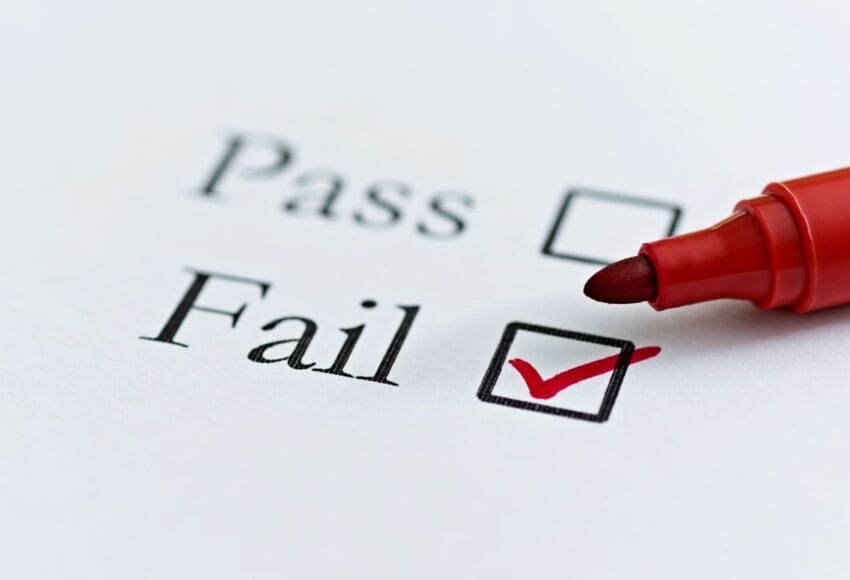
A failed inspection identifies goods that do not meet agreed acceptance requirements. Where the findings indicate a significant or recurring problem, corrective and preventive action (CAPA) provides a structured process for investigating causes, implementing improvements, and verifying their effectiveness.
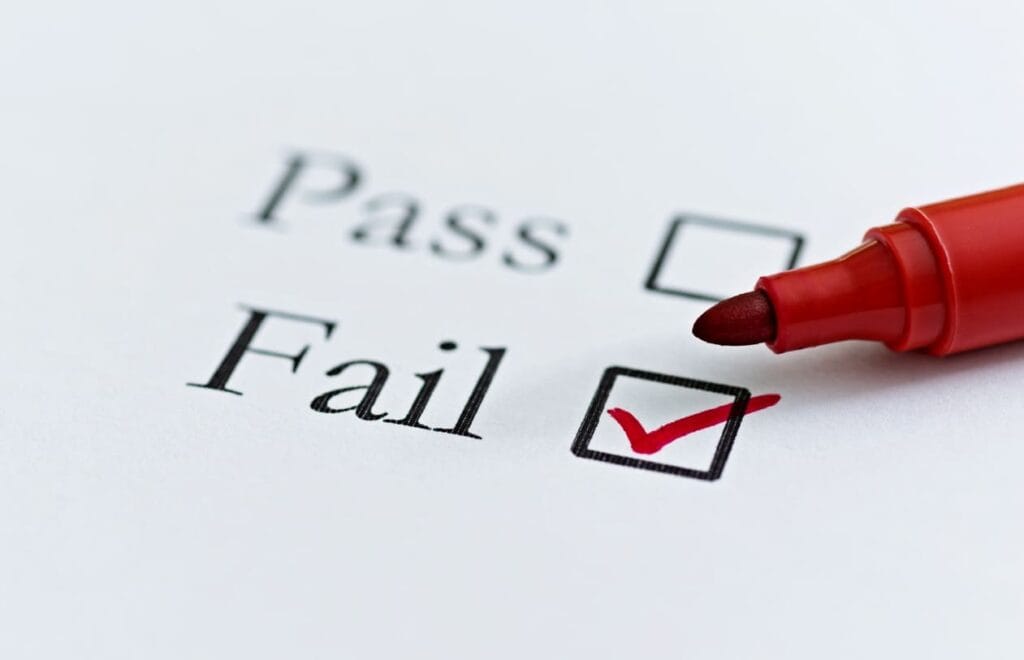
The immediate priority is often to correct the goods and protect the delivery schedule. The conditions that caused the failure also need attention. Sorting or reworking a shipment can leave the next order exposed to the same problem.
CAPA closure should be supported by evidence that the agreed actions have been implemented and have achieved their intended result. We recommend defining that evidence at the start of the investigation.
Control the Affected Goods First
The first response should establish which goods may be affected, where they are located, and how their use or shipment will be controlled.
The inspected lot provides a starting point. Other batches may share the same material, component, machine setting, or production process. The investigation should consider those connections when defining the affected scope.
Containment records should identify quantities, locations, batch references, and stock status. If goods are sorted or reworked, the quantities accepted, rejected, replaced, and remaining on hold should be reconciled.
The method used to check the goods must also suit the defect. Visual sorting can address reliably visible conditions. Hidden functional or material issues may require appropriate testing.
Match the Response to the Problem
The need for a formal CAPA depends on severity, recurrence, potential impact, and the applicable quality procedure. An isolated discrepancy may be addressed through correction and a documented assessment of further action. Repeated failures or wider process weaknesses warrant closer investigation.
Each part of the response should have a defined purpose:
| Activity | Purpose |
| Containment | Control potentially affected goods while the issue is assessed |
| Correction | Address the detected defect through approved rework, replacement, or another suitable action |
| Corrective action | Address the cause of an existing problem to prevent recurrence |
| Preventive action | Address an identified potential problem before it occurs |
| Effectiveness review | Verify whether the actions achieved their intended result |
A response such as products checked and staff retrained needs supporting evidence showing what was done, why it was appropriate, and how success will be evaluated.
Investigate the Cause and the Missed Detection
A useful investigation begins with a precise description of the failure: the product, applicable requirement, observed condition, sample findings, and relevant production references.
Consider a hypothetical inspection in which reusable dispensers leak around the cap. Possible causes include seal dimensions, assembly settings, or component variation. Measurements, production records, and controlled trials can help establish which explanation is supported.
The investigation should also examine how the defect passed internal checks. A test may have been omitted, performed under unsuitable conditions, or completed before the problem was introduced.
This approach is reflected in ASQ’s 8D problem-solving framework, which includes verifying causes and examining why the issue went undetected.
Corrective actions should connect directly to supported causes. An explanation such as operator error requires further examination of instructions, equipment, working conditions, and supervision. Training is appropriate when the evidence identifies a knowledge or skill gap.
Give Actions Clear Ownership and Completion Evidence
Each action should identify a responsible person, target date, and required evidence. This makes supplier commitments easier to track and review.
For the leaking dispenser, trials might support a revised assembly setting. Implementation evidence could include the approved setting, updated instructions, equipment records, and confirmation that the change is used in production.
The effectiveness review should then assess whether subsequent products meet the agreed leak-test requirements and whether the revised control remains in use.
We recommend agreeing on the review method, acceptance criteria, and production coverage before evaluating the outcome. Coverage should reflect the risk and conditions associated with the failure. A problem linked to changeovers, for example, requires evidence from relevant changeover activity.
Keep Shipment Release and CAPA Closure Visible
Shipment release concerns whether identified goods satisfy the applicable release conditions. CAPA closure requires review of the investigation, implemented actions, and effectiveness evidence.
A corrected lot may qualify for release while the supplier continues collecting evidence from later production. The CAPA can remain open during that period.
Reinspection contributes evidence about the goods examined and the checks performed. Its findings should remain linked to the original failure, corrective work, and lot presented for review.
Maintaining separate shipment and CAPA statuses helps purchasing, quality, and logistics teams understand what has been approved and what remains outstanding.
Close the CAPA Against Agreed Criteria
An authorized reviewer should confirm that the closure record supports the decision. The evidence should establish that:
- The problem and affected scope have been evaluated.
- The disposition of affected goods is documented.
- The identified causes are supported by evidence.
- The agreed actions have been implemented.
- Effectiveness results meet the defined criteria.
- Relevant instructions and controls have been updated.
The record should retain the approval, date, and supporting references. If effectiveness evidence is incomplete, the CAPA should remain open with a defined next review. Recurrence should trigger reassessment under the applicable procedure.
We recommend agreeing on the investigation owner, shipment-release conditions, and closure evidence as soon as a significant inspection failure is confirmed.
ECQA’s inspection, testing, and supplier audit services can contribute verification evidence within an agreed scope. Share the failed inspection report and proposed corrective actions with our team to discuss the follow-up checks needed to support your decisions.

 Request Free Sample Report