Food Inspection for Import and Export: Quality Control Guide
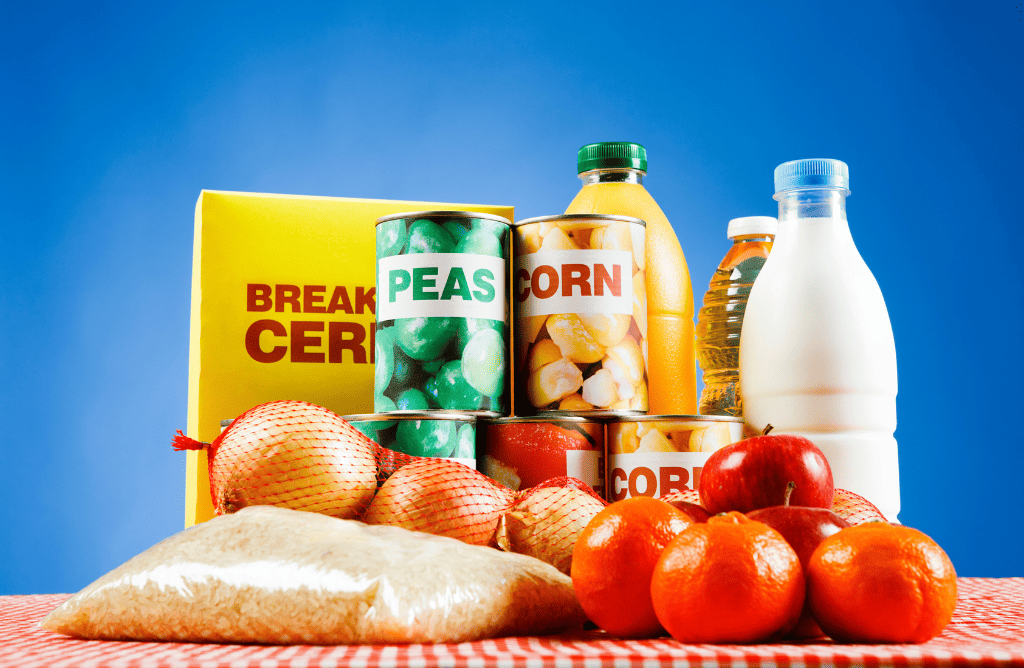
Food inspection involves evaluating food products during production, before shipment, or during loading to verify their quality, condition, packaging, labeling, and other defined requirements. For imported and exported food products, inspection helps identify quality issues before shipment and supports compliance with buyer specifications and destination-market requirements.
Food inspection requirements vary according to the product, country of origin, destination market, and applicable food safety regulations.
Why Food Inspection Is Important
Food products can be affected by contamination, spoilage, temperature changes, packaging damage, incorrect labeling, and improper handling throughout the supply chain.
An effective food inspection program helps businesses:
- Verify food quality before shipment
- Identify damaged or deteriorated products
- Check packaging and seal integrity
- Verify labeling against approved requirements
- Reduce shipment rejection risks
- Improve supplier quality control
- Maintain product consistency across shipments
For food importers and exporters, inspection provides an independent assessment of product condition before goods leave the supplier or enter international transportation.
Learn more about common recall risks and prevention measures in our guide on How to Prevent Food Recalls.
Types of Food Inspection
Food inspections can be performed at different stages of production and shipment depending on the product and level of quality control required.
| Inspection Type | Purpose |
| Pre-Production Inspection (PPI) | Verify raw materials, ingredients, packaging, and production readiness |
| During Production Inspection (DUPRO) | Monitor product quality while production is in progress |
| Pre-Shipment Inspection (PSI) | Inspect finished food products before shipment |
| Container Loading Supervision (CLS) | Verify loading quantity, packaging condition, and container suitability |
Food manufacturers and importers may use one or multiple inspection stages depending on product risk, supplier performance, and buyer requirements.
Food Inspection Checklist
The exact inspection checklist depends on the type of food product being inspected. Processed foods, beverages, fresh produce, frozen products, and packaged foods require different inspection criteria.
Several areas are commonly evaluated during food quality inspections.
Product Appearance and Condition
Inspectors examine the overall condition of the food product according to approved specifications.
Typical checks include:
- Color
- Size
- Shape
- Texture
- Freshness
- Product consistency
- Visible defects
- Foreign matter
- Signs of deterioration
- Visible mold or contamination
For fresh produce, inspectors may also check ripeness, bruising, decay, pest damage, and size grading.
Quantity and Product Specifications
Products are checked against purchase orders and approved specifications.
Typical verification includes:
- Order quantity
- Product variety
- Unit weight
- Net weight
- Pack size
- Product dimensions where applicable
- Batch or lot information
- Production date
- Expiration or best-before date
Incorrect quantities or specifications can create receiving problems and commercial disputes after shipment.
Packaging Integrity
Food packaging helps protect products during storage, transportation, and handling.
Inspectors typically verify:
- Packaging condition
- Seal integrity
- Leakage
- Tears or punctures
- Container damage
- Retail packaging
- Inner packaging
- Export cartons
- Shipping marks
Damaged packaging may affect product quality, shelf life, and suitability for distribution.
Food Labeling
Food labeling requirements vary according to the destination market and product category.
Inspection may include verification of:
- Product name
- Ingredient list
- Allergen declarations
- Nutrition information
- Net quantity
- Country of origin
- Manufacturer information
- Production date
- Expiration date
- Storage instructions
- Batch or lot number
- Barcode
Labels can be checked against approved artwork and buyer specifications during inspection. Regulatory labeling requirements should also be confirmed according to the destination market.
Storage and Handling Conditions
Storage conditions are particularly important for products that are sensitive to temperature, humidity, or contamination.
Inspectors may evaluate:
- Storage temperature
- Warehouse cleanliness
- Product organization
- Pest activity
- Product segregation
- Packaging exposure
- Cold-storage conditions
- General handling practices
Poor storage conditions can affect food quality before products are shipped.
Common Food Quality Defects
Several quality problems are frequently identified during food inspections.
| Defect | Description |
| Damaged Packaging | Torn, crushed, punctured, or leaking packaging |
| Broken Seal | Packaging seal is incomplete or damaged |
| Incorrect Label | Missing or inaccurate product information |
| Product Deterioration | Visible decline in product condition |
| Color Variation | Product appearance differs from approved specifications |
| Foreign Matter | Unwanted material found in or around the product |
| Incorrect Weight | Product weight falls outside specified tolerance |
| Incorrect Quantity | Shipment quantity does not match the purchase order |
| Date Code Error | Missing or incorrect production or expiration date |
| Carton Damage | Export cartons are crushed, wet, or damaged |
Defects should be evaluated according to agreed specifications and acceptance criteria.
Food Sampling and Laboratory Testing
Visual inspection can identify many workmanship, packaging, and condition issues, while certain food safety and compliance requirements require laboratory testing.
Depending on the food product and destination market, testing may include:
- Microbiological testing
- Heavy metal testing
- Pesticide residue testing
- Mycotoxin testing
- Chemical contaminant testing
- Nutritional analysis
- Allergen testing
- Food additive testing
The required tests depend on the food category, ingredients, applicable regulations, and buyer requirements.
Food Labeling and Import Requirements
Imported food products must comply with the applicable requirements of the destination market.
Requirements may cover:
- Food labeling
- Ingredient declarations
- Allergen information
- Nutrition information
- Product registration
- Facility registration
- Import documentation
- Health certificates
- Laboratory testing
- Traceability
Import requirements vary considerably between countries and food categories. Importers should confirm the applicable regulatory requirements before production and shipment.
Common Food Import Requirements by Market
United States
Food imported into the United States may be subject to FDA, USDA, or other regulatory requirements depending on the product category.
Applicable requirements may include:
- FDA food facility registration
- Prior Notice
- Foreign Supplier Verification Program (FSVP)
- Food labeling requirements
- Food safety documentation
Food labels intended for the U.S. market should comply with applicable FDA food labeling requirements.
European Union
Food products imported into the European Union may be subject to:
- Food safety requirements
- Official border controls for applicable products
- Traceability requirements
- Food labeling requirements
- Health certificates for certain food categories
- Maximum residue and contaminant limits
Requirements depend on the food category and country of origin.
South Korea
Food imported into South Korea is regulated by the Ministry of Food and Drug Safety (MFDS).
Requirements may include:
- Import declarations
- Korean food labeling
- Documentation review
- Product inspection
- Laboratory testing
China
Food imported into China may be subject to:
- Overseas manufacturer registration
- Import documentation
- Chinese labeling requirements
- Customs inspection
- Product certification for applicable categories
- Sampling and laboratory testing
Exact requirements depend on the food category and country of origin.
Common Reasons for Food Shipment Rejection
Food shipments may encounter quality or compliance problems for several reasons.
Incorrect Labeling
Missing mandatory information, incorrect ingredient declarations, labeling errors, or inaccurate date information may create import compliance problems.
Failed Laboratory Testing
Food products may be rejected when testing identifies contaminants, microorganisms, residues, or other substances above applicable limits.
Damaged Packaging
Broken seals, leaking containers, damaged cartons, or inadequate packaging can affect food quality and shipment acceptance.
Missing Documentation
Incomplete certificates, declarations, registrations, or shipping documents can delay customs clearance.
Improper Temperature Control
Fresh, chilled, and frozen products may deteriorate when required storage or transportation temperatures are not maintained.
Food Inspection for Fresh Produce
Fresh fruits and vegetables require additional quality controls because their condition can change rapidly during storage and transportation.
Fresh produce inspection may include:
- Freshness
- Ripeness
- Size and grading
- Bruising
- Mold
- Decay
- Pest damage
- Color
- Packaging ventilation
- Storage temperature
- Carton condition
For importers, conducting fresh produce quality inspections before shipment helps identify deteriorated or damaged products before international transportation.
Common Inspection Equipment
Inspectors may use different equipment depending on the food product and inspection scope.
Typical equipment includes:
- Digital weighing scale
- Thermometer
- Measuring tools
- Temperature data logger
- Barcode scanner
- Calibrated sampling equipment
- Digital camera
- Inspection checklist
Laboratory equipment is used separately when microbiological, chemical, nutritional, or contaminant testing is required.
Best Practices for Food Quality Control
Food quality control should be maintained throughout production, storage, and shipment.
Recommended practices include:
- Establish clear product specifications
- Approve packaging and labeling before production
- Verify raw materials and ingredients
- Monitor production hygiene
- Maintain appropriate storage conditions
- Conduct laboratory testing where required
- Inspect finished products before shipment
- Verify loading and container condition
- Maintain traceability records
- Review supplier performance regularly
Combining supplier controls, product inspection, and appropriate laboratory testing helps reduce quality risks throughout the food supply chain.
Food inspection supports quality control for imported and exported food products by verifying product condition, specifications, packaging, labeling, storage, and shipment readiness. Conducting inspections at appropriate stages helps identify problems before shipment and provides importers with better visibility over the quality of goods supplied.
Frequently Asked Questions
1. What is food inspection for import and export?
Food inspection is the process of evaluating food products to verify compliance with safety, quality, labeling, and regulatory requirements before import or export.
2. Why is food inspection important?
Food inspection helps protect consumer health, reduce product recalls, and support compliance with import regulations.
3. What does a food inspection include?
Food inspections may include visual inspection, packaging review, labeling verification, sampling, laboratory testing, and documentation review.
4. Which food products require inspection?
Inspection requirements vary by country and product category. Processed foods, fresh produce, meat products, seafood, and dairy products commonly require inspections.
5. Who performs food inspections?
Food inspections may be conducted by government authorities, accredited laboratories, or independent third-party inspection companies.

 Request Free Sample Report