
How to Prevent Food Recalls: Common Causes and Prevention Strategies
Food recalls can result in significant financial losses, supply chain disruptions, regulatory penalties, and long-term damage to brand reputation. A single contamination incident or labeling error can lead to products being removed from the market, loss of consumer trust, and increased regulatory scrutiny.
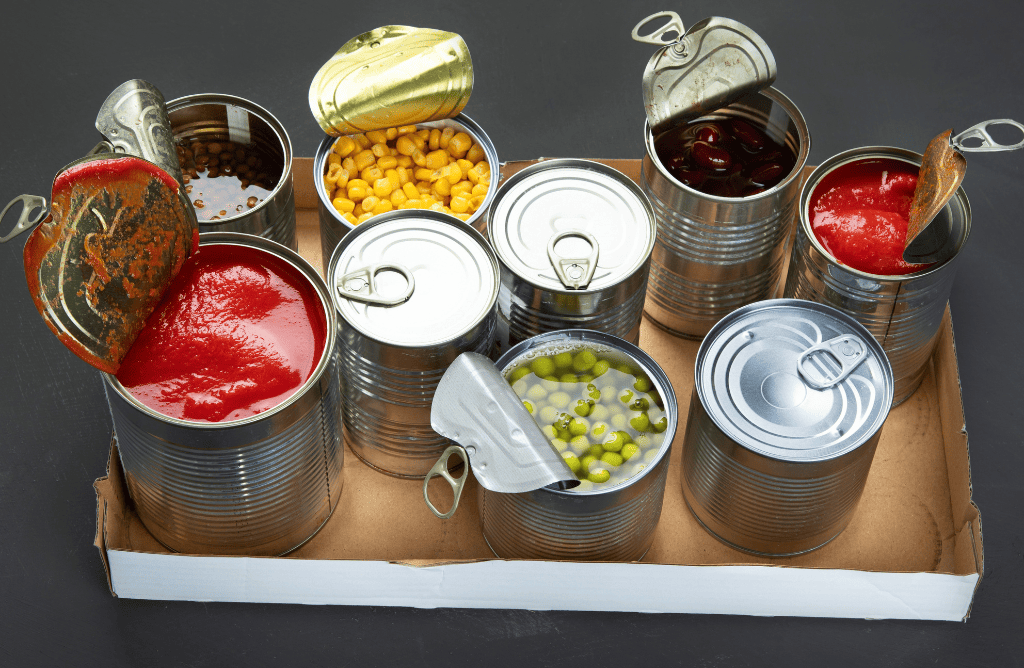
Preventing food recalls requires a proactive approach that combines food safety management systems, supplier controls, product testing, inspections, and continuous monitoring throughout the supply chain.
Understanding the most common causes of recalls and implementing effective preventive measures can help businesses reduce risks and maintain compliance with food safety regulations.
Why Food Recalls Happen
Food recalls occur when products are found to be unsafe, mislabeled, contaminated, or otherwise non-compliant with regulatory requirements.
Common reasons for recalls include:
- Bacterial contamination
- Undeclared allergens
- Foreign object contamination
- Chemical contamination
- Labeling errors
- Packaging failures
- Temperature abuse during storage and transportation
- Supplier quality issues
Many recalls can be prevented through proper quality control and food safety management practices.
5 Common Causes of Food Recalls and How to Prevent Them
1. Bacterial Contamination
Bacterial contamination remains one of the leading causes of food recalls worldwide.
Common pathogens include:
- Salmonella
- Listeria monocytogenes
- Escherichia coli (E. coli)
- Campylobacter
Contamination may occur due to:
- Poor hygiene practices
- Inadequate cleaning procedures
- Cross-contamination
- Improper storage temperatures
- Unsanitary processing environments
Prevention Measures
- Implement Good Manufacturing Practices (GMP)
- Establish sanitation programs
- Conduct environmental monitoring
- Verify cleaning and disinfection procedures
- Train employees on hygiene requirements
- Perform regular microbiological testing
2. Undeclared Allergens and Labeling Errors
Undeclared allergens are one of the most frequent causes of food recalls.
Common allergens include:
- Milk
- Eggs
- Peanuts
- Tree nuts
- Soy
- Wheat
- Fish
- Shellfish
- Sesame
Allergen recalls often result from:
- Incorrect labels
- Packaging mix-ups
- Cross-contact during production
- Supplier errors
Prevention Measures
- Implement allergen management programs
- Verify ingredient declarations
- Review product labels before production
- Establish cleaning procedures between production runs
- Conduct label inspections during packaging
3. Foreign Object Contamination
Foreign materials found in food products can present serious safety hazards.
Common contaminants include:
- Metal fragments
- Plastic pieces
- Glass fragments
- Stones
- Wood particles
Contamination may occur because of:
- Equipment failures
- Damaged packaging
- Poor handling practices
- Inadequate inspection procedures
Prevention Measures
- Install metal detectors and X-ray systems
- Conduct equipment maintenance programs
- Inspect raw materials
- Implement foreign material control procedures
- Perform routine product inspections
4. Chemical Contamination
Chemical contamination can occur through:
- Pesticide residues
- Cleaning chemicals
- Heavy metals
- Food additives
- Packaging migration
- Lubricants and processing aids
Chemical contamination may result in significant regulatory actions and product recalls.
Prevention Measures
- Use approved food-contact materials
- Verify supplier compliance
- Conduct chemical testing
- Review packaging compliance
- Establish chemical control procedures
5. Incorrect or Misleading Labeling
Incorrect product information can result in regulatory violations and recalls.
Common labeling issues include:
- Incorrect expiration dates
- Missing ingredient information
- False nutritional claims
- Missing allergen declarations
- Incorrect storage instructions
Prevention Measures
- Establish label approval procedures
- Conduct packaging inspections
- Review artwork before production
- Verify regulatory requirements for each market
The Impact of Food Recalls on Businesses
Financial Losses
Food recalls can generate substantial costs, including:
- Product disposal
- Product replacement
- Transportation costs
- Additional testing
- Regulatory fines
- Production downtime
The total cost of a recall often extends far beyond the value of the affected products.
Damage to Brand Reputation
Consumers expect food products to be safe and accurately labeled.
A recall can lead to:
- Loss of customer trust
- Negative publicity
- Declining sales
- Reduced retailer confidence
- Loss of future business opportunities
Rebuilding consumer confidence can take years.
Supply Chain Disruption
Food recalls frequently affect the entire supply chain.
Consequences may include:
- Shipment delays
- Contract cancellations
- Product shortages
- Increased operating costs
- Supplier disputes
Legal and Regulatory Consequences
Regulatory authorities may impose:
- Product seizures
- Import restrictions
- Warning letters
- Financial penalties
- Additional inspections
In severe cases, businesses may face legal action and long-term regulatory scrutiny.
How to Build an Effective Food Recall Prevention Program
Implement HACCP
Hazard Analysis and Critical Control Points (HACCP) provides a systematic approach to identifying and controlling food safety hazards.
A well-designed HACCP plan helps businesses:
- Identify risks
- Establish preventive controls
- Monitor critical processes
- Verify food safety measures
Strengthen Supplier Management
Many food safety issues originate from raw materials or ingredients.
Businesses should:
- Conduct supplier audits
- Review supplier certifications
- Verify testing reports
- Monitor supplier performance
Perform Product Testing
Laboratory testing can identify potential hazards before products reach consumers.
Testing may include:
- Microbiological testing
- Chemical analysis
- Heavy metal testing
- Allergen testing
- Packaging migration testing
Improve Traceability Systems
Traceability systems help businesses quickly identify affected products if an issue occurs.
Good traceability practices include:
- Batch identification
- Production records
- Supplier traceability
- Distribution tracking
Conduct Regular Inspections
Routine inspections help identify problems before products enter the market.
Inspections may include:
- Factory inspections
- Pre-shipment inspections
- Packaging inspections
- Label verification
- Storage assessments
Learn more about the requirements and process in our guide to Food Inspection for Import and Export.
How Third-Party Inspection and Testing Services Help Prevent Food Recalls
Independent inspection and testing services provide an additional layer of protection.
Third-party services may include:
- Food safety audits
- Product testing
- Packaging inspections
- Label reviews
- Supplier assessments
- Pre-shipment inspections
Early identification of issues can significantly reduce the likelihood of recalls and regulatory action.
Preventing food recalls requires a proactive approach that combines food safety management systems, supplier controls, testing, inspections, and continuous monitoring. Businesses that invest in preventive measures are better positioned to protect consumers, maintain compliance, and preserve brand reputation in increasingly regulated global food markets.
Frequently Asked Questions
1. What is the most common cause of food recalls?
Bacterial contamination and undeclared allergens are among the most common causes of food recalls globally.
2. Can food recalls be prevented?
While not every risk can be eliminated, implementing robust food safety systems and inspection programs can significantly reduce the likelihood of recalls.
3. Why are labeling errors a major cause of recalls?
Incorrect labels can expose consumers to undeclared allergens and inaccurate product information, creating serious health risks.
4. How does product testing help prevent recalls?
Testing helps identify contamination, chemical hazards, and compliance issues before products reach consumers.
5. What role do third-party inspections play?
Third-party inspections help businesses verify product quality, regulatory compliance, and food safety before products are shipped or sold.

 Request Free Sample Report