
Food Security: Why It Matters and How Food Inspection Supports a Safe Food Supply
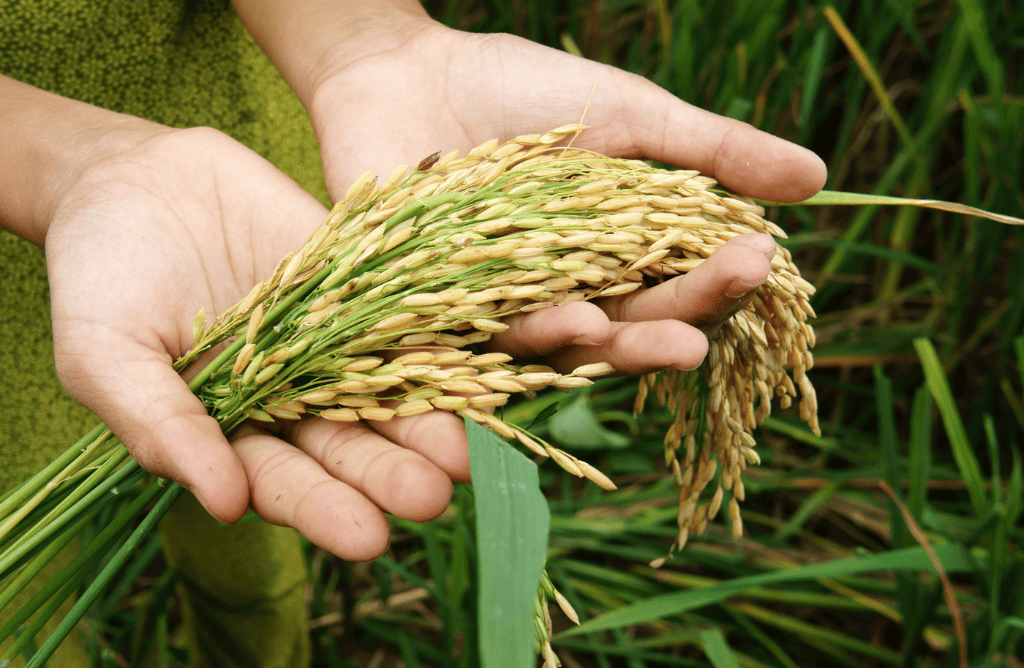
Food security means that all people have reliable access to sufficient, safe, and nutritious food that meets their dietary needs and supports an active and healthy life.
According to the United Nations Food and Agriculture Organization (FAO), food security is built on four key pillars:
- Food availability
- Food access
- Food utilization
- Food stability
Food security extends beyond producing enough food. It also involves ensuring that food remains safe, affordable, and available throughout the supply chain.
The Four Pillars of Food Security
Food Availability
Food availability refers to the physical supply of food within a country or region.
Food availability depends on:
- Agricultural production
- Food imports and exports
- Storage capacity
- Transportation infrastructure
- Supply chain efficiency
Natural disasters, disease outbreaks, and trade restrictions can all reduce food availability.
Food Access
Having enough food in a country does not necessarily mean everyone can obtain it.
Food access is influenced by:
- Household income
- Food prices
- Distribution networks
- Economic conditions
- Social inequality
Millions of people experience food insecurity because they cannot afford nutritious food.
Food Utilization
Food utilization focuses on whether food can be safely consumed and properly used by the body.
This includes:
- Food safety
- Nutritional value
- Food preparation methods
- Access to clean water
- Proper storage conditions
Unsafe food can contribute to malnutrition and foodborne illnesses.
Food Stability
Food security requires long-term stability.
Food supplies should remain available despite:
- Economic crises
- Climate events
- Political instability
- Supply chain disruptions
- Pandemics
Stable food systems help protect communities from shortages and sudden increases in food prices.
Major Challenges Threatening Food Security
Climate Change and Extreme Weather
Droughts, floods, rising temperatures, and changing weather patterns significantly affect agricultural production.
These conditions can lead to:
- Reduced crop yields
- Water shortages
- Livestock losses
- Higher food prices
Population Growth and Increasing Food Demand
The global population continues to grow, increasing pressure on food production systems.
Challenges include:
- Limited agricultural land
- Declining freshwater resources
- Environmental degradation
- Increasing demand for protein and processed foods
Supply Chain Disruptions
Global food supply chains are highly interconnected.
Disruptions can occur because of:
- Transportation delays
- Port congestion
- Labor shortages
- Trade restrictions
- Geopolitical tensions
Food Waste and Post-Harvest Losses
Approximately one-third of food produced globally is lost or wasted.
Common causes include:
- Poor storage conditions
- Inadequate packaging
- Transportation damage
- Inventory management issues
- Product spoilage
Food Safety Incidents and Recalls
Food contamination incidents can significantly disrupt food supplies.
Examples include:
- Salmonella outbreaks
- Chemical contamination
- Undeclared allergens
- Product recalls
Food safety failures damage consumer confidence and increase supply chain costs.
Food Safety vs Food Security
Although the terms are often used interchangeably, they have different meanings.
Food Security focuses on:
- Access to sufficient food
- Food availability
- Affordability
- Long-term supply stability
Food Safety focuses on:
- Contamination prevention
- Product safety
- Hygiene
- Regulatory compliance
Food safety is an essential component of food security because unsafe food can disrupt supply chains and reduce consumer confidence.
The Role of Food Inspection in Food Security
Preventing Food Contamination
Food inspection helps identify:
- Biological hazards
- Chemical hazards
- Physical hazards
- Cross-contamination risks
Reducing Food Waste
Inspection activities help identify problems involving:
- Packaging integrity
- Storage conditions
- Transportation practices
- Product handling
Supporting Regulatory Compliance
Food inspections verify compliance with:
- Food labeling requirements
- Packaging requirements
- Import regulations
- Product specifications
Protecting Consumer Confidence
Consumers expect food products to be:
- Safe
- Authentic
- Properly labeled
- High quality
Effective food inspection systems help maintain confidence in food systems and international trade.
How HACCP and ISO 22000 Support Food Security
HACCP
Hazard Analysis and Critical Control Points (HACCP) is a preventive food safety system that identifies and controls hazards before they affect food products.
HACCP helps businesses:
- Reduce contamination risks
- Improve process control
- Strengthen food safety systems
- Prevent food recalls
ISO 22000
ISO 22000 establishes a food safety management system that integrates:
- HACCP principles
- Risk management
- Traceability
- Communication throughout the supply chain
Strong food safety management systems contribute directly to food security.
How Businesses Can Strengthen Food Security
Food companies can improve food security by:
- Implementing robust food safety systems
- Conducting regular food inspections
- Reducing food waste
- Improving supply chain visibility
- Using safe packaging materials
- Strengthening supplier management
- Maintaining regulatory compliance
Why Food Security Matters for Businesses
Companies that invest in food safety and quality management systems are better positioned to:
- Reduce operational risks
- Protect brand reputation
- Improve customer trust
- Support long-term business sustainability
Food security depends on the ability to provide safe, nutritious, and sufficient food consistently. Food inspection, food safety management systems, and regulatory compliance play a critical role in protecting food supplies and supporting a resilient global food supply chain.
Frequently Asked Questions
1. What is food security?
Food security means that people have reliable access to sufficient, safe, and nutritious food.
2. What are the four pillars of food security?
The four pillars are food availability, food access, food utilization, and food stability.
3. Why is food inspection important for food security?
Food inspection helps prevent contamination, reduce food waste, and support regulatory compliance.
4. How do HACCP and ISO 22000 support food security?
They help businesses identify and control food safety hazards and improve supply chain reliability.

 Request Free Sample Report