


FDA Food Labeling Requirements: A Guide for Food Manufacturers and Importers
FDA food labeling requirements establish the information that must appear on food packaging sold in the United States. These regulations help ensure that consumers receive accurate information about a product’s identity, ingredients, nutritional value, and potential allergens. Most packaged foods marketed in the United States, whether manufactured domestically or imported, […]

Understanding Persistent Organic Pollutants (POPs)
Persistent Organic Pollutants, commonly abbreviated as POPs, are toxic chemical substances that resist environmental degradation through chemical, biological, and photolytic processes. Due to their persistence, POPs accumulate in the environment, travel long distances via air and water, and build up in the fatty tissues of living organisms, including humans. POPs […]

Top 6 Mechanical Tests for Furniture Durability Certification
Mechanical testing for furniture durability is essential for validating whether a product meets international safety and quality expectations. Mechanical tests replicate real-life stress, wear, and usage conditions in a laboratory setting, ensuring that furniture performs reliably over time. Major retailers, government regulators, and institutional buyers often require not just regulatory […]

Understanding GB Standards for Product Compliance in China
GB standards, short for Guobiao Standards, are the national standards of the People’s Republic of China. These standards serve as the technical and regulatory foundation for product safety, quality, and compliance across various industries. They are developed and maintained by the Standardization Administration of China (SAC), which operates under the […]

ISO 22716: Cosmetic GMP Requirements, Checklist and Compliance Guide
ISO 22716:2007 is the international standard for Good Manufacturing Practices (GMP) for cosmetic products. It provides guidelines for the production, control, storage, and shipment of cosmetics and establishes a structured approach to maintaining product quality throughout manufacturing operations. The standard covers key areas such as personnel, premises, equipment, raw materials, […]

GOTS vs Oeko-Tex: Textile Certification Differences
Textile certification serve as third-party assurances that fabrics and garments meet specific environmental, social, or health-based criteria. As global awareness of sustainable fashion and responsible production grows, these certifications have become critical tools for buyers, manufacturers, and retailers alike. Two of the most widely recognized textile certifications in the textile […]

Global Organic Textile Standard (GOTS)
The Global Organic Textile Standard (GOTS) is the leading internationally recognized certification for organic fibers in the textile industry. It sets comprehensive and verifiable criteria to ensure that textiles labeled as “organic” meet strict environmental and social responsibility benchmarks from farm to finished product. Developed through collaboration among international stakeholder […]
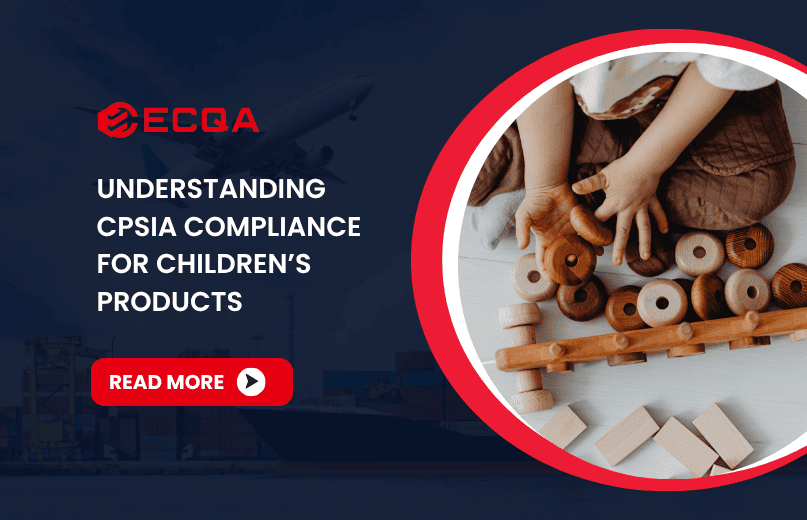
Understanding CPSIA Compliance for Children’s Products
The Consumer Product Safety Improvement Act (CPSIA) is a landmark U.S. federal law enacted in 2008 to ensure the safety of children’s products sold in the United States. It was introduced in response to a series of high-profile recalls, particularly of toys containing hazardous lead levels and other dangerous materials. […]

EN Standards Explained: Requirements, Applications and Testing
EN standards (European Standards) are technical standards adopted through the European standardization system to establish common requirements for products, materials, processes, services, and testing methods. They are widely used to evaluate product safety, performance, quality, and conformity with applicable technical specifications across European markets. EN standards cover numerous industries, including […]

Top 8 Key Certifications for Electrical Products
The global electrical product market is heavily regulated to ensure safety, performance, and consumer protection. Manufacturers, importers, and distributors must comply with key certifications before entering specific markets. Each region enforces distinct certification schemes, making it critical to understand the nuances of each system to avoid costly delays, recalls, or […]
 Request Free Sample Report