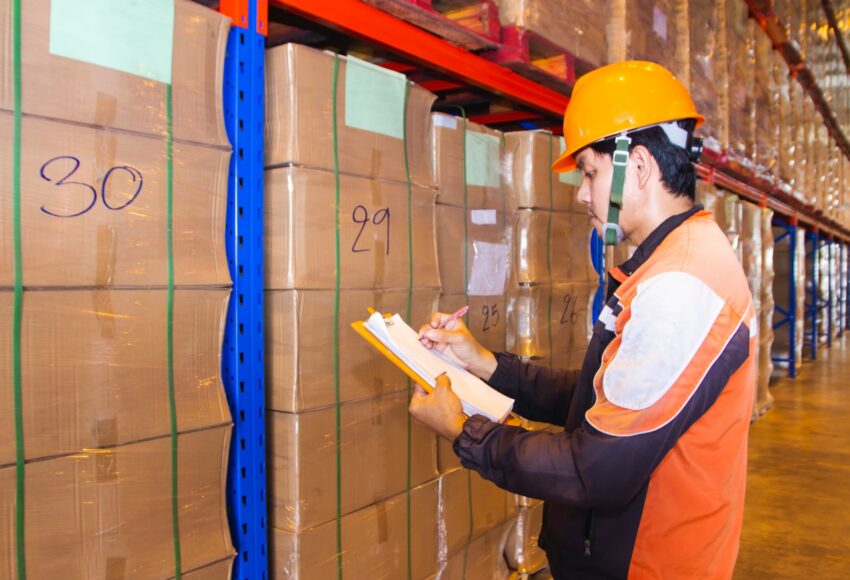
Which Inspection Do You Need
Product inspection is a structured quality control activity used to verify that goods meet defined specifications at specific stages of the production process. Different stages involve different quality risks, which is why inspection effectiveness depends on correct timing. This page helps you understand how inspection types align with production progress […]

GB 6675 Toy Safety Testing for China
GB 6675 is China’s mandatory toy safety standard that defines the safety requirements for toys sold within the Chinese market. It applies to toys intended for children under the age of 14 and establishes technical criteria to address mechanical hazards, chemical exposure, flammability risks, and labeling obligations. Any toy placed […]
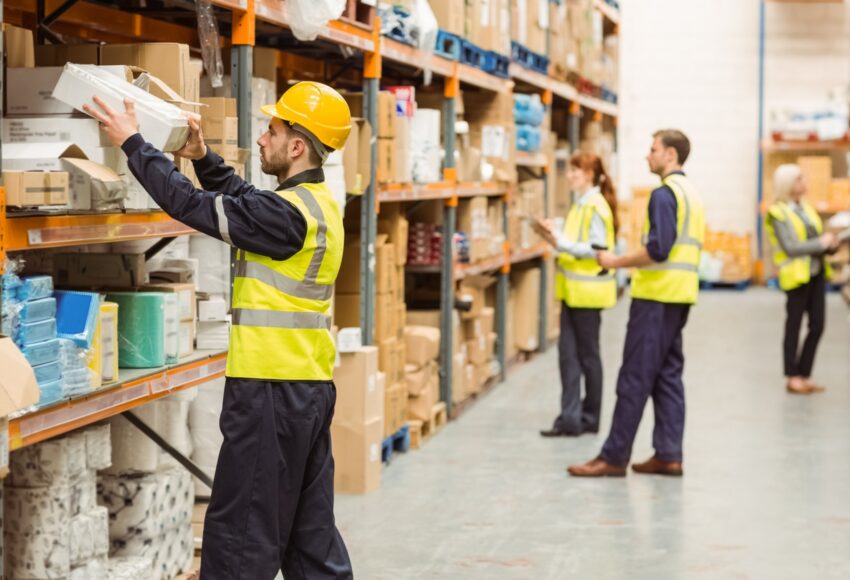
5 Benefits of Third-Party Quality Assurance in Global Supply Chains
As supply chains expand across multiple countries and suppliers, businesses face growing exposure to quality failures, compliance risks, and operational uncertainty. To address these challenges, many organizations rely on structured quality systems supported by independent verification. The foundational role of third-party inspection in quality assurance explains how objective oversight functions […]

AS/NZS 8124 Toy Safety Guide
AS/NZS 8124 is the toy safety standard that defines the mandatory requirements for toys sold in Australia and New Zealand. It ensures that toys intended for children under the age of 14 meet strict physical, mechanical, chemical, and flammability criteria before they reach the market. Any toy supplied within these […]
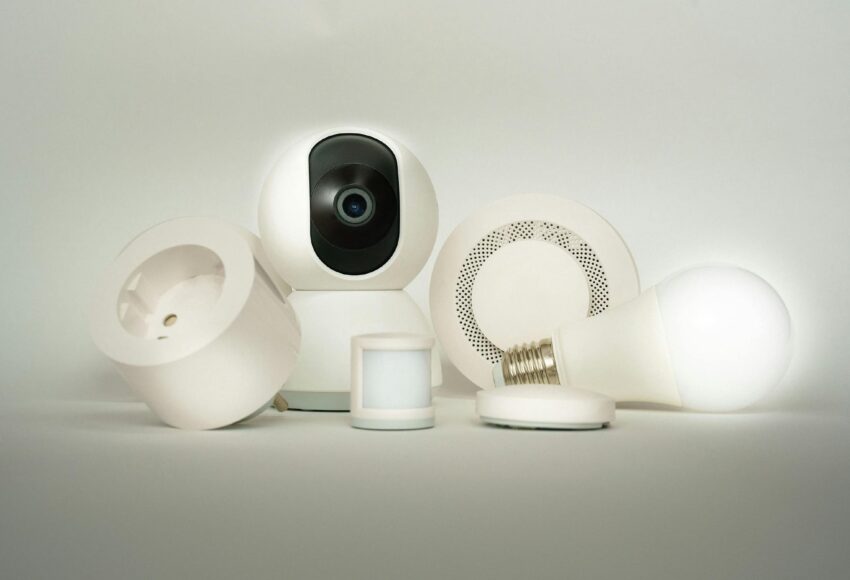
Common Reasons Electronics Fail Quality Inspections
Electronic products often fail quality inspections due to recurring patterns in production, materials, design, and testing. These issues appear across factories and product categories because electronics require precision, component control, and consistent validation. Understanding the primary causes of inspection failures helps importers strengthen their quality strategies and work with suppliers […]
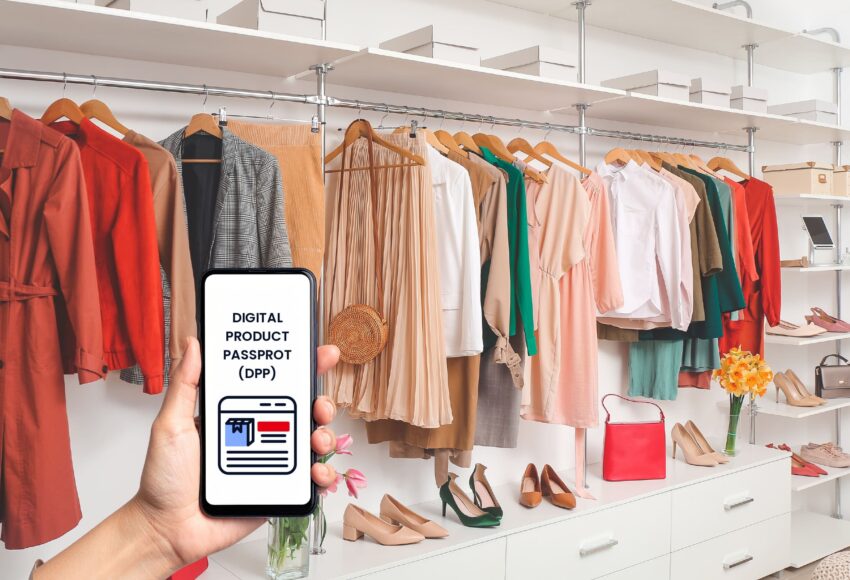
Digital Product Passports (DPP)Guide for EU Compliance 2025
Digital Product Passports (DPP) are becoming a core requirement for entering the EU market in the coming years. Digital Product Passports are mandatory digital records required under the EU’s Ecodesign for Sustainable Products Regulation. They contain structured information on materials, environmental data, traceability, and product compliance. What Is a Digital […]

AQL Calculator Acceptable Quality Limit
Acceptable Quality Limit (AQL) is a sampling method used to determine how many defects are permitted within an inspected portion of a production lot. It provides a consistent way to evaluate product quality without checking every unit. AQL Sampling Calculator Determine sample size and acceptance criteria based on ANSI/ASQ Z1.4 […]
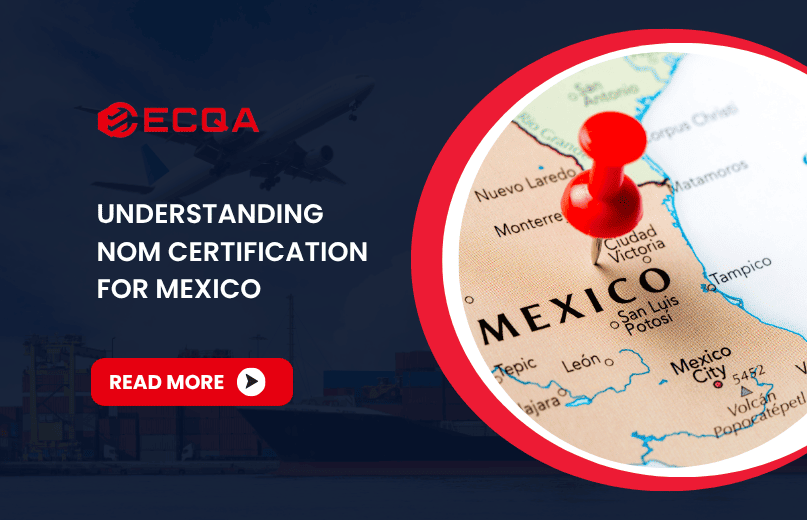
Understanding NOM Certification for Mexico
NOM certification is a mandatory compliance requirement for many products sold in Mexico. The system is designed to ensure that goods meet national safety, performance, and labeling standards before entering the market. Importers, manufacturers, and brands that supply consumer goods to Mexico depend on NOM approvals to release shipments, avoid […]
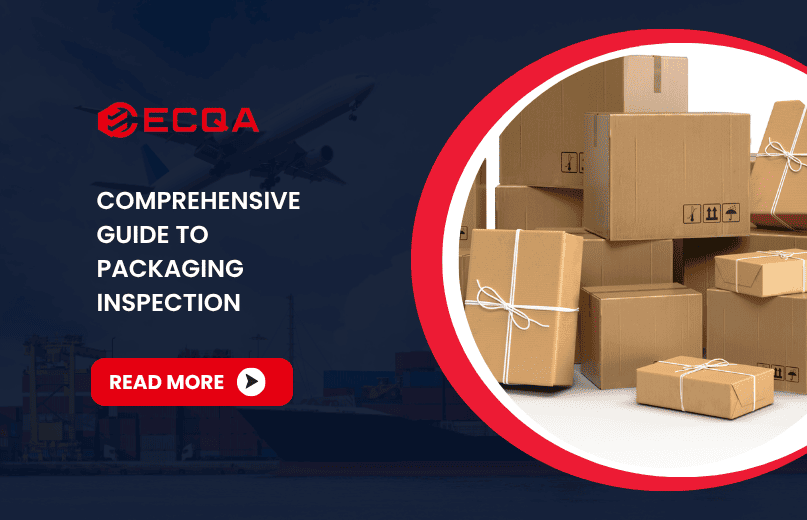
Comprehensive Guide to Packaging Inspection
Packaging inspection refers to a structured evaluation process that verifies the condition, strength, functionality, and compliance of packaging materials and finished packaged goods before shipment. It serves as a safeguard that maintains product integrity during transportation, storage, and handling across global supply chains. Reliable packaging determines whether a product reaches […]
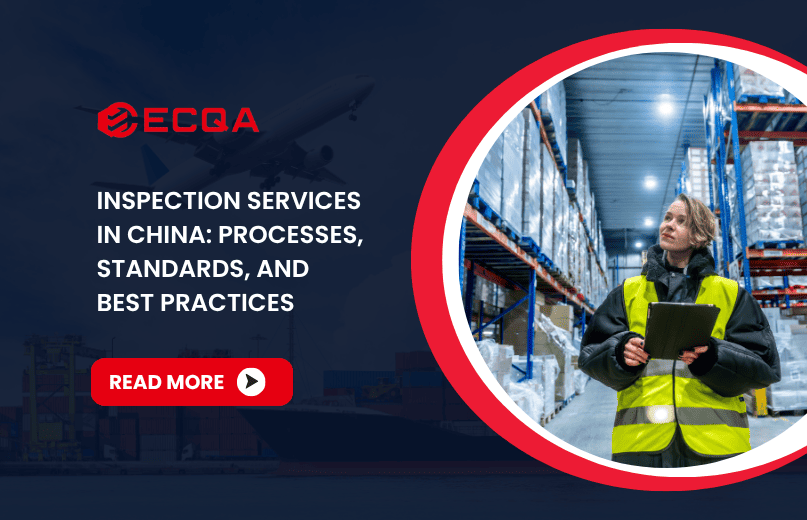
Inspection Services in China: Processes, Standards, and Best Practices
Inspection services in China are widely used by importers to verify product quality, confirm specifications, and support compliance with regulatory requirements. These inspections provide an independent evaluation of workmanship, materials, labeling, and performance before goods are shipped. Third-party inspection in China forms an essential part of supply-chain quality control by […]
 Request Free Sample Report