

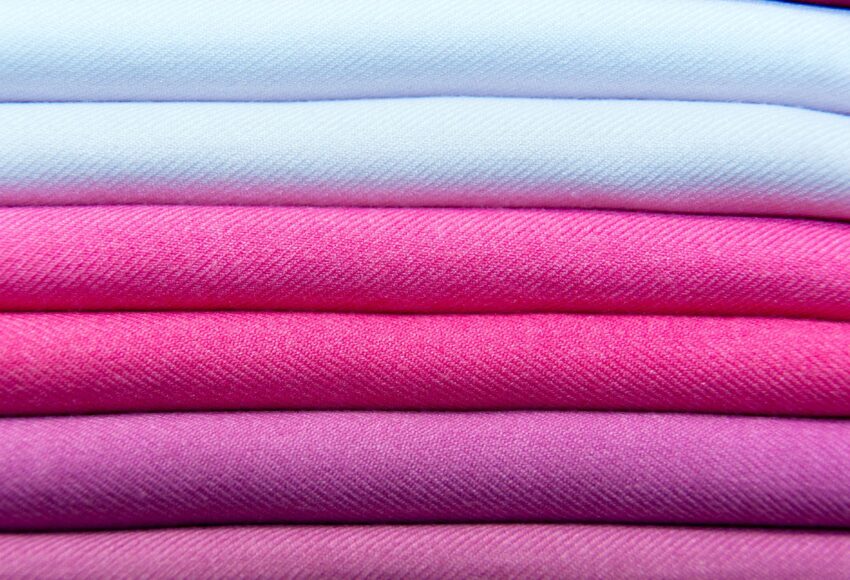
Color Fastness Testing for Textiles
Color fastness testing for textiles evaluates a fabric’s ability to retain its color under exposure to external conditions such as washing, light, rubbing, perspiration, and chemicals. It is a core quality parameter in textile manufacturing, directly linked to product durability, consumer satisfaction, and regulatory compliance.
From apparel and home textiles to footwear and technical fabrics, color fastness performance determines whether a product can maintain its visual integrity throughout its lifecycle. Poor color fastness leads to fading, staining, color bleeding, and ultimately product rejection in international markets.
Why Color Fastness Testing Matters in Textile Quality Control
In commercial textile production, color consistency is a measurable requirement rather than a subjective attribute. Buyers, retailers, and regulatory bodies rely on standardized color fastness testing to verify product performance before shipment.
Several operational risks are directly tied to inadequate color fastness:
- Consumer complaints due to fading or staining during washing or wear
- Cross-staining issues where dyes transfer to other fabrics
- Non-compliance with import regulations, especially in the EU and U.S.
- Brand reputation damage caused by inconsistent product quality
For example, a batch of dyed cotton garments may pass visual inspection at the factory but fail after repeated washing cycles due to weak dye fixation. Without proper testing, this issue often surfaces only after retail distribution, where corrective action becomes costly.
Key Types of Color Fastness Tests
Different end-use conditions require different testing methods. International standards define specific procedures to simulate real-world exposure scenarios.
Color Fastness to Washing
Color fastness to washing evaluates how well a textile retains its color during laundering. The test exposes fabric samples to controlled washing conditions involving detergent, temperature, and mechanical agitation.
- Common standards: ISO 105-C06, AATCC 61
- Key evaluation criteria:
- Color change of the original fabric
- Staining on adjacent fabrics
This test is critical for garments, bed linens, and any product subject to frequent washing.
Color Fastness to Rubbing (Crocking)
Rubbing fastness measures the transfer of color from the fabric surface to another material through friction.
- Common standards: ISO 105-X12, AATCC 8
- Two conditions tested:
- Dry rubbing
- Wet rubbing
Dark-colored fabrics and heavily dyed materials are particularly susceptible to crocking. Poor results often indicate excess surface dye or inadequate dye fixation.
Color Fastness to Light
Light fastness testing assesses resistance to fading when exposed to artificial or natural light.
- Common standards: ISO 105-B02, AATCC 16
- Testing method:
- Exposure to xenon arc lamps simulating sunlight
- Comparison against blue wool reference standards
Outdoor textiles, sportswear, and automotive fabrics require high light fastness performance due to prolonged UV exposure.
Color Fastness to Perspiration
This test simulates exposure to human sweat under acidic and alkaline conditions.
- Common standards: ISO 105-E04, AATCC 15
- Evaluation:
- Color change
- Staining on adjacent fabrics
It is particularly important for garments worn close to the skin, such as sportswear and innerwear.
Color Fastness to Water and Sea Water
These tests evaluate dye stability when exposed to water without detergents.
- Common standards:
- Water: ISO 105-E01
- Sea water: ISO 105-E02
Applications include swimwear, outdoor gear, and marine textiles.
Color Fastness to Dry Cleaning
Dry cleaning fastness measures resistance to solvent-based cleaning processes.
- Common standards: ISO 105-D01, AATCC 132
This test is relevant for formalwear, suits, and textiles labeled as dry-clean-only.
International Standards and Regulatory Requirements
Color fastness testing aligns with globally recognized standards, ensuring consistency in evaluation and compliance.
ISO Standards
The ISO 105 series provides comprehensive methods covering all major fastness properties. These standards are widely used across Europe and international markets.
AATCC Standards
The American Association of Textile Chemists and Colorists (AATCC) develops methods commonly used in the United States. Many global buyers accept both ISO and AATCC equivalents.
Buyer-Specific Requirements
Major retailers and brands often define stricter acceptance criteria based on product category:
- Apparel brands may require higher rubbing fastness for dark fabrics
- Children’s products may include additional safety-related chemical limits
- Performance textiles often require enhanced light and perspiration fastness
Compliance with these specifications is typically verified through third-party laboratory testing.
Common Causes of Poor Color Fastness
Understanding root causes helps manufacturers improve production quality and reduce rejection rates.
Inadequate Dye Selection
Certain dyes have lower affinity for specific fibers. For example, using reactive dyes incorrectly on cotton can result in weak bonding.
Poor Dye Fixation
Incomplete fixation leaves excess dye on the fabric surface, increasing the risk of color bleeding and rubbing transfer.
Insufficient Washing-Off Process
Residual unfixed dyes remain after dyeing if washing procedures are not properly controlled.
Improper Finishing Treatments
Chemical finishes can alter dye stability if not compatible with the dye system.
Fiber Composition Variability
Blended fabrics may respond differently to dyeing processes, leading to inconsistent fastness performance.
Industry Applications of Color Fastness Testing
Color fastness testing applies across multiple textile sectors, each with specific performance requirements.
Apparel and Fashion
- Washing and rubbing fastness are critical
- Sweat resistance is essential for activewear
Home Textiles
- Washing and light fastness are key for bedding and curtains
Footwear and Accessories
- Rubbing fastness prevents color transfer to skin or clothing
Automotive and Technical Textiles
- High light fastness is required due to prolonged exposure
Each application requires tailored testing protocols aligned with product use conditions.
How to Improve Color Fastness Performance
Manufacturers can implement practical measures to enhance fastness results and ensure consistent product quality.
Optimize Dyeing Parameters
- Control temperature, pH, and time
- Use dyes suitable for the fiber type
Improve Fixation Techniques
- Apply appropriate fixing agents
- Ensure complete chemical bonding
Enhance Washing-Off Procedures
- Remove unfixed dyes effectively
- Use adequate rinsing cycles
Conduct Pre-Production Testing
- Test lab dips before bulk production
- Identify potential issues early
Implement In-Line Quality Control
- Monitor dyeing batches during production
- Adjust processes in real time
Consistent process control reduces variability and improves overall compliance rates.
Integrate color fastness testing for textiles as a mandatory checkpoint within your quality control process. Verify results against applicable ISO or AATCC standards, align performance with buyer specifications, and validate every production batch before shipment. Engage an accredited laboratory to ensure reliable data and maintain consistent product quality across markets.

 Request Free Sample Report