Exporting from China to South Korea: A Product Inspection Guide
Sourcing products from China gives Korean retailers, online sellers, and brands access to a wide range of manufacturers. However, approved samples and factory photographs provide limited visibility into the condition of a finished order. Differences in workmanship, functionality, packaging, or labelling may become apparent when goods arrive in South Korea.
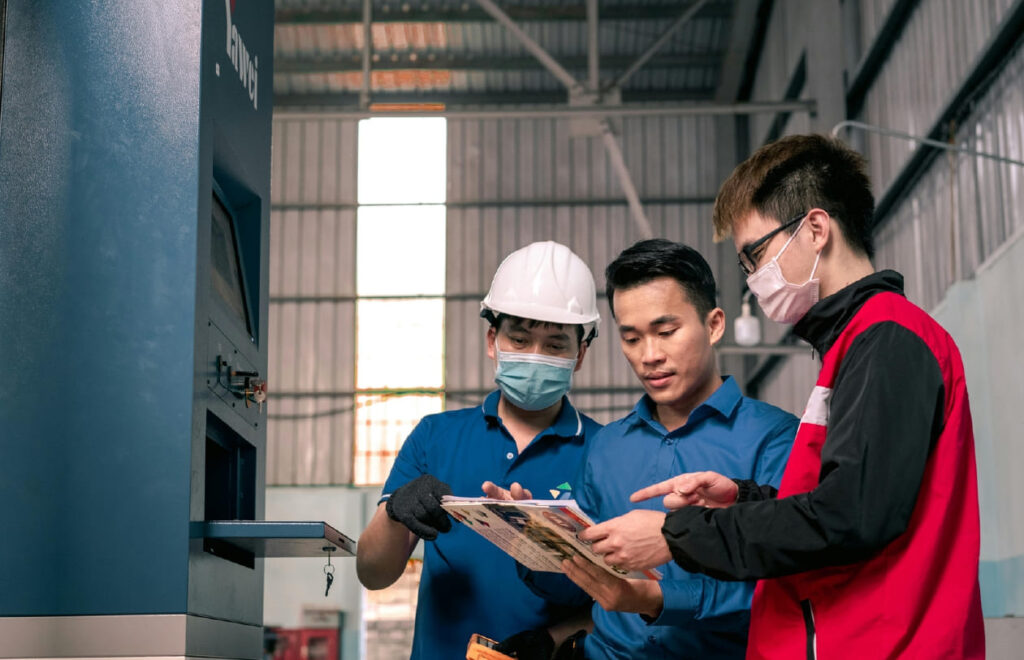
Arranging product inspection in China helps buyers check production against agreed requirements before shipment. Inspection findings give importers an opportunity to request corrections, review outstanding issues, and decide whether the order is ready for export.
This guide explains which inspections to consider, what inspectors should check, and how to prepare an inspection for goods destined for the South Korean market.
Why Inspect Products Before Exporting to South Korea?
Quality problems become more difficult to resolve once goods have left the factory. A shipment containing defective products, incorrect labels, or damaged packaging can create additional work for importers and disrupt retail sales.
An independent inspection can help identify issues such as:
- Products that differ from approved samples
- Incorrect dimensions, colours, materials, or accessories
- Manufacturing defects and poor assembly
- Functional failures
- Quantity shortages or incorrect product assortments
- Packaging and labelling errors
For example, a Korean retailer ordering electric kettles may need to verify the model, rated electrical information, appearance, operation, accessories, and approved Korean-language packaging. A clothing importer may prioritise measurements, stitching, colour consistency, and care labels.
The inspection checklist should reflect the product, purchase order, and requirements agreed with the supplier.
Which Product Inspection Do You Need?
The appropriate inspection depends on the production stage and the risks associated with the order.
| Inspection Service | When to Arrange It | Main Purpose |
| Pre-Production Inspection (PPI) | Before manufacturing begins | Check available materials, components, and production preparations against agreed requirements |
| During Production Inspection (DUPRO) | While manufacturing is underway | Identify emerging defects and assess production consistency |
| Pre-Shipment Inspection (PSI) | When finished goods meet the agreed inspection readiness conditions | Assess finished product quality, quantity, packaging, and labelling |
| Container Loading Supervision (CLS) | During loading | Check container condition, carton identification, quantities, and handling |
Pre-Production Inspection
A Pre-Production Inspection can be useful when placing an order with a new supplier, introducing a new product, or using materials with specific quality requirements.
Depending on the agreed scope, inspectors can check available materials, components, reference samples, and production preparations. Identifying discrepancies at this stage gives the supplier time to address them before manufacturing progresses.
During Production Inspection
A During Production Inspection helps buyers assess goods while the factory is still producing the order.
This can be useful for larger orders, products with several assembly stages, or suppliers with previous quality issues. Findings can highlight recurring workmanship defects, inconsistent dimensions, or deviations from approved specifications.
The buyer can then agree corrective actions with the supplier while production continues.
Pre-Shipment Inspection
A Pre-Shipment Inspection provides an assessment of finished goods before dispatch.
Inspectors examine selected samples using the agreed sampling plan and checklist. The scope may include appearance, workmanship, dimensions, functionality, accessories, packaging, and labels.
Sampling results describe the inspected samples and support an assessment of the shipment. The inspection report should clearly record the sampling basis, findings, and any checks that could not be completed.
Container Loading Supervision
Container Loading Supervision focuses on the loading process.
Checks may include container cleanliness and visible condition, carton quantities, shipping marks, loading arrangements, and seal information. This service can help buyers document whether the identified goods were loaded under the agreed conditions.
Finished product quality should be assessed through the appropriate product inspection before loading.
What Should Inspectors Check?
A useful inspection checklist translates the purchase order and approved specifications into measurable checks.
Product Identity and Quantity
Inspectors should check whether the available goods correspond to the order.
Relevant details may include:
- Product names and model numbers
- Colours, sizes, and variants
- Quantities available for inspection
- Accessories and spare parts
- Carton contents and product assortment
For orders containing several models or colours, the inspection plan should define how each variant will be represented in the sample.
Appearance and Workmanship
Visual inspection helps identify defects that may affect customer acceptance or product use.
Examples include scratches, cracks, stains, uneven finishes, loose stitching, sharp edges, poor alignment, and incomplete assembly.
Approved samples, photographs, and agreed defect examples help inspectors apply consistent criteria.
Dimensions and Functional Checks
Measurements and on-site checks should follow the product’s intended use and the agreed inspection scope.
| Product Category | Examples of Inspection Checks |
| Small electrical appliances | Assembly, operation, controls, accessories, markings, and agreed safety-related checks |
| Apparel and textiles | Measurements, stitching, fabric appearance, colour consistency, and labels |
| Furniture and household goods | Dimensions, assembly, stability, surface finish, and accessories |
| Toys and children’s products | Workmanship, accessible components, function, age labels, and agreed safety checks |
| Bags and luggage | Zippers, handles, wheels, seams, and agreed load or operation checks |
| Kitchenware and food containers | Dimensions, capacity, surface condition, leakage, and packaging |
Specialised laboratory tests should be arranged separately when the required method, equipment, or testing conditions extend beyond the factory inspection scope.
Packaging and Labelling
Packaging should protect the product through handling, storage, and transportation. It should also match the buyer’s approved retail and shipping requirements.
Inspectors can check:
- Packaging materials and protective inserts
- Carton condition and packing arrangements
- Product and carton identification
- Barcodes and shipping marks
- Instruction manuals and warning labels
- Approved Korean-language artwork, where applicable
Provide final packaging and label files before the inspection. This allows the inspector to compare the goods with a clear reference.
How Do South Korean Requirements Affect the Inspection?
Before production, importers should confirm the South Korean requirements applicable to their products and communicate the relevant specifications to the supplier.
Depending on the product category, these may include safety standards, material restrictions, testing, conformity procedures, and labelling requirements.
The inspection checklist should incorporate the requirements that can be verified during the factory visit, including:
- Product identification and model details
- Approved Korean-language labels and instructions, where required
- Applicable warnings and age recommendations
- Required markings and country-of-origin information
- Packaging details and traceability information
- Consistency between the goods and the supporting documents provided
Importers should supply approved artwork, product specifications, and relevant documents before the inspection. Clear references help inspectors identify discrepancies and record issues requiring correction.
Any required laboratory testing or certification should also be confirmed with the relevant laboratory, certification body, or regulatory specialist. A product inspection report alone does not establish compliance with all South Korean market requirements.
What Should You Prepare Before Booking an Inspection?
Clear information helps the inspection team define the scope and coordinate with the factory.
Prepare the following details:
| Information | What to Provide |
| Product details | Product description, model numbers, photographs, and specifications |
| Order information | Purchase order, quantities, sizes, colours, and product variants |
| Factory details | Factory address, contact person, and contact information |
| Production schedule | Expected completion date, packing status, and shipment deadline |
| Quality references | Approved samples, measurement tolerances, and defect criteria |
| Packaging requirements | Packing instructions, carton details, shipping marks, and retail artwork |
| Market requirements | Approved Korean labels and any relevant testing or certification documents |
Agree on the sampling plan, acceptance criteria, and required on-site tests before the inspection.
An AQL-based sampling plan can help define sample sizes and acceptance limits for classified defects. Product-specific requirements and critical safety concerns should also be addressed in the checklist.
For scheduling and coordination details, read our guide on how to book a product inspection.
What Happens If the Inspection Finds Problems?
The inspection report provides evidence for the buyer’s shipment decision. It should record the defects, affected samples, photographs, measurements, and any limitations encountered.
Depending on the findings, the buyer may ask the supplier to:
- Sort affected goods
- Repair or replace defective products
- Correct packaging or labels
- Supply missing accessories
- Investigate recurring defects
- Prepare the order for reinspection
Corrective actions should identify what the supplier needs to fix and how completion will be verified. Where a reinspection is arranged, the scope should address both the original findings and the condition of the shipment following rework.
Allowing time between inspection and dispatch gives the buyer and supplier more flexibility to resolve issues.
How ECQA Supports Korean Importers
ECQA provides third-party inspection services in China to help Korean importers assess product quality at different production stages.
Services include Pre-Production Inspection, During Production Inspection, Pre-Shipment Inspection, Container Loading Supervision, factory and supplier audits, and product testing coordination.
ECQA’s Korean-speaking team members can assist with enquiries, inspection coordination, and project communication. Inspection requirements can be developed around the buyer’s specifications, approved samples, packaging instructions, and agreed acceptance criteria.
To arrange an inspection, share your product details, order quantity, factory location, production status, and expected shipment date.
Contact ECQA to discuss your inspection requirements for goods exported from China to South Korea.

 Request Free Sample Report