Step-by-Step: How to Book a Product Inspection
Booking a product inspection involves defining inspection scope, selecting a qualified inspection provider, and reviewing objective findings before shipment. This guide outlines the six essential steps buyers should follow to arrange a product inspection and manage quality risks effectively.
Step 1: Define Your Inspection Requirements
Buyers should start by specifying:
- The product details (model numbers, SKUs, variations)
- The inspection standard (AQL level, defect classification)
- The timeframe (when production will reach the inspection stage)
- Any regulatory or customer-specific requirements
The clearer the instructions, the more effective the inspection will be.
Step 2: Select an Accredited Inspection Provider
Choose a reliable third-party provider with accreditation, industry expertise, and geographic coverage. Look for organizations with ISO 17020 or ISO 17025 recognition, and proven experience in your product category. Reputable providers assign inspectors fluent in local languages and familiar with factory conditions.
Step 3: Request a Quotation
Contact the inspection company with details of your order. Provide:
- Factory address and contact details
- Production schedule and completion status
- Quantity and SKUs involved
- Inspection type (PSI, DPI, etc.)
The provider will respond with pricing, usually based on a daily man-day rate plus travel costs. For detailed cost breakdowns and factors that affect pricing, refer to our guide on How Much Does a Product Inspection Cost
Step 4: Confirm Booking and Inspection Protocol
Once you accept the quotation, the provider will draft an inspection protocol outlining:
- Checklist of items to be inspected
- Sampling method (typically following ANSI/ASQ Z1.4 or ISO 2859 AQL standards)
- On-site tests to be performed
- Reporting format
Buyers should review and approve this protocol before the inspection date.
Step 5: Conduct the Inspection
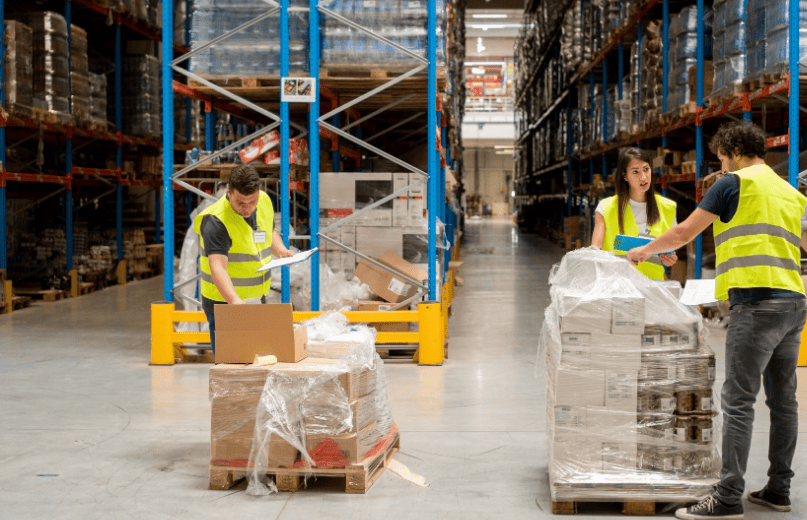
On the agreed date, inspectors visit the factory, select samples, perform tests, and document findings. Inspections are typically accompanied by high-resolution photos, defect classification, and notes on compliance.
Step 6: Receive the Inspection Report
After the inspection is completed, buyers typically receive a detailed inspection report within a standard reporting timeframe.
- Pass/fail summary
- Photos of samples and defects
- Packaging and labeling verification
- Inspector comments and recommendations
The report becomes a decision-making tool for whether to approve shipment, request rework, or hold payment.
ECQA provides independent product inspection services aligned with international quality and compliance standards. Our inspectors support buyers by verifying product quality, quantity, and shipment readiness at key production stages.
If you are ready to book a product inspection or need support confirming inspection scope and timing, you can contact ECQA for assistance.
If you are unsure which inspection type applies to your current production stage, use our Inspection Planning Tool to identify the inspection that typically fits your production progress before booking.

 Request Free Sample Report