

How to Ensure PFAS Compliance in Your Supply Chain
PFAS compliance has become an important requirement across food packaging, consumer products, textiles, and industrial materials. Regulatory authorities in multiple markets are introducing stricter restrictions on per- and polyfluoroalkyl substances (PFAS) due to concerns related to environmental persistence, chemical migration, and long-term exposure risks. Ensuring PFAS compliance in the supply […]

What is UL Certification
UL certification is a product certification framework administered by UL Solutions, where products are evaluated against defined requirements and authorized to use specific UL Marks under controlled conditions. A claim that a product is “UL certified” indicates that the product or component has been assessed against an applicable standard and […]

Container Loading Supervision Process: Step-by-Step Inspection Checklist
Container Loading Supervision (CLS) is an on-site quality control inspection conducted during the loading of goods into a shipping container. The inspection focuses on verifying cargo condition, container condition, loading quantity, loading methods, packaging status, and container sealing before shipment departure. As part of supply chain quality control, container loading […]

RED Directive: Key Requirements for EU Radio Equipment Compliance
The RED Directive (2014/53/EU) is the European Union regulatory framework governing equipment that intentionally transmits or receives radio waves for communication or radio determination. It applies to wireless consumer devices, industrial equipment, and connected products with embedded radio functionality. What the RED Directive Covers The directive applies to products that […]

Azo Dye Testing for Apparel and Home Textiles
Azo dye testing checks whether dyes used in textiles can release restricted aromatic amines under specific conditions. Some azo dyes can break down into substances classified as carcinogenic. For this reason, their use is restricted in textile products that come into direct and prolonged contact with the skin or oral […]
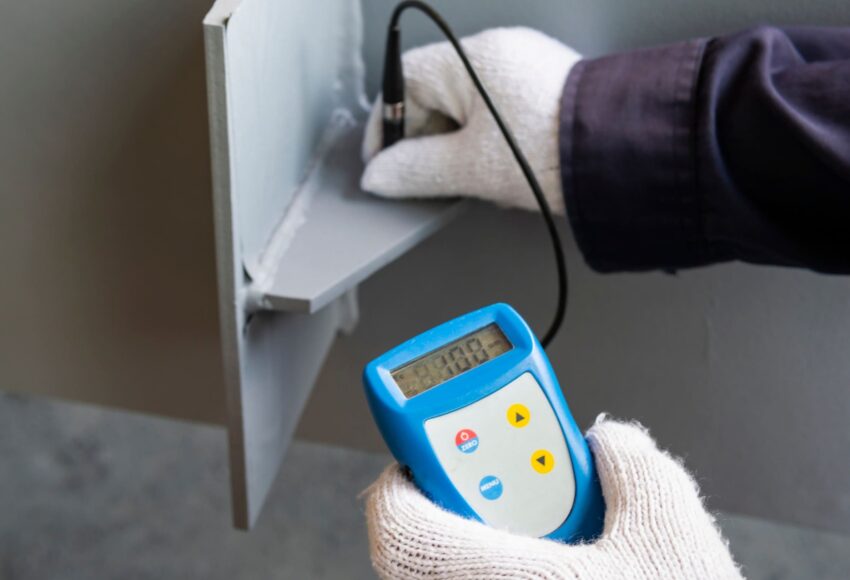
Coating Thickness Testing
Coating thickness testing is the process of measuring the thickness of a protective or decorative coating applied to a material or finished product. The test verifies whether the coating meets specified thickness requirements to ensure corrosion resistance, wear protection, product durability, and overall quality. Coatings such as paint, powder coating, […]

Understanding UKCA Marking
UKCA marking is the conformity marking required for certain products placed on the market in Great Britain, including England, Scotland, and Wales. It indicates that the manufacturer states the product complies with applicable GB product legislation. For regulated products, UKCA marking forms part of the legal conformity framework. Before applying […]
ECQA Shanghai Laboratory Achieves CNAS Accreditation to ISO/IEC 17025
Shanghai, China – March 30, 2026 – ECQA announced that its Shanghai laboratory has been accredited by the China National Accreditation Service for Conformity Assessment (CNAS) in accordance with ISO/IEC 17025, the international standard governing the competence of testing and calibration laboratories. CNAS is the official national accreditation body of […]

What Is Product Compliance
Product compliance is the process of ensuring that a product meets the legal, regulatory, safety, labeling, environmental, and technical requirements that apply in its target market. Product compliance usually involves several legal and technical requirements, including: A product is compliant when the required evidence of conformity matches the product, its […]

Color Fastness Testing for Textiles
Color fastness testing for textiles evaluates a fabric’s ability to retain its color under exposure to external conditions such as washing, light, rubbing, perspiration, and chemicals. It is a core quality parameter in textile manufacturing, directly linked to product durability, consumer satisfaction, and regulatory compliance. From apparel and home textiles […]
 Request Free Sample Report