
During Production Inspection (DUPRO)
During Production Inspection (DUPRO) is a quality control inspection conducted during manufacturing to verify whether products conform to approved specifications, workmanship requirements, and buyer expectations before production is completed.
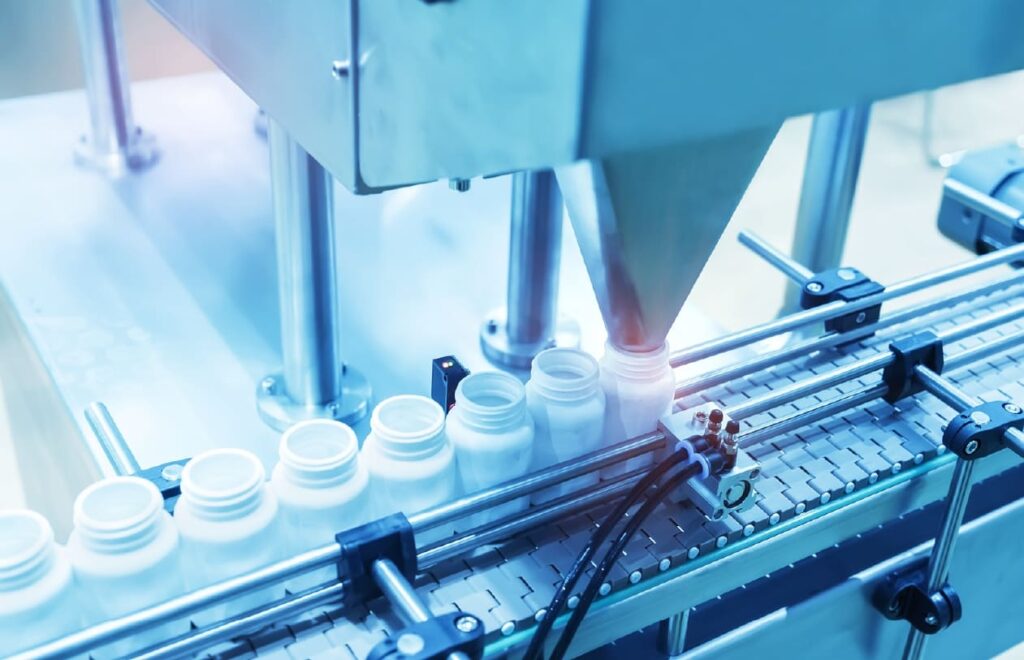
DUPRO inspections are typically performed when approximately 20% to 80% of production has been completed. At this stage, enough products are available for meaningful inspection while manufacturers still have sufficient time to implement corrective actions before shipment.
As part of a comprehensive quality control program, during production inspection helps buyers identify quality issues early, monitor manufacturing progress, and reduce the risk of receiving non-conforming products.
Why During Production Inspection Matters
Quality problems discovered during the final stages of manufacturing are often costly to correct. Defective products may require rework, production delays may affect shipment schedules, and unresolved quality issues can lead to customer complaints after delivery.
During Production Inspection helps reduce these risks by providing visibility into production quality while manufacturing is still ongoing.
Key benefits include:
- Early identification of quality problems
- Improved production visibility
- Verification of manufacturing consistency
- Monitoring of production progress
- Reduced rework and correction costs
- Better control over supplier performance
- Greater confidence before shipment
For importers sourcing products from overseas factories, DUPRO provides an opportunity to evaluate production quality before the order is completed.
When Is a DUPRO Inspection Conducted?
DUPRO inspections are generally performed after production has started but before manufacturing is completed.
Most inspections take place when:
- Approximately 20% to 80% of production is completed
- Production lines are operating normally
- Products are available for sampling
- Manufacturing processes have stabilized
- Sufficient quantities are available for inspection
The ideal timing depends on product complexity, production volume, manufacturing cycle, and buyer requirements.
Conducting an inspection too early may not provide enough samples for evaluation. Conducting it too late may reduce the factory’s ability to implement corrective actions before shipment.
What Does a During Production Inspection Check?
A DUPRO inspection evaluates multiple aspects of manufacturing quality and production status.
Production Progress
Inspectors verify actual production status and compare manufacturing progress against the agreed schedule.
Common checks include:
- Production completion percentage
- Daily output levels
- Production line operation
- Manufacturing progress
- Product availability
This helps buyers understand whether production remains on schedule.
Product Specifications
Products are compared against approved specifications, technical drawings, reference samples, and buyer requirements.
Verification may include:
- Product dimensions
- Material consistency
- Color conformity
- Construction details
- Assembly requirements
- Product configuration
This helps identify deviations before large quantities are completed.
Workmanship Quality
Workmanship inspection evaluates the overall quality and consistency of manufacturing.
Common findings may include:
- Scratches
- Surface contamination
- Poor finishing
- Misalignment
- Loose components
- Material damage
- Assembly defects
Workmanship issues identified during production often reveal recurring manufacturing problems that require corrective action.
Functional Performance
Where applicable, inspectors verify whether products operate according to intended requirements.
Examples include:
- Electronics functionality testing
- Mechanical operation checks
- Stability testing
- Assembly verification
- Performance testing
Functional issues identified during production can often be corrected before manufacturing is completed.
Packaging and Labeling
If packaging activities have started, inspectors may also review:
- Product labels
- Barcode placement
- Carton markings
- Packaging materials
- Packaging configuration
- Quantity per carton
Early verification helps prevent packing and labeling errors from affecting shipment readiness.
Common Problems Found During DUPRO Inspection
During Production Inspection frequently identifies issues that may not be visible during early manufacturing stages.
Common findings include:
Workmanship Defects
- Poor finishing
- Scratches
- Loose parts
- Surface defects
- Inconsistent assembly
Production Consistency Issues
- Color variation
- Material substitution
- Dimension variation
- Batch inconsistency
- Process instability
Functional Problems
- Product malfunction
- Incomplete assembly
- Incorrect operation
- Weak performance
Packaging Errors
- Missing labels
- Incorrect barcodes
- Incorrect carton markings
- Wrong packaging configuration
Identifying these issues during production allows manufacturers to take corrective action before larger quantities are affected.
AQL Sampling During DUPRO Inspection
Most During Production Inspections follow AQL (Acceptable Quality Level) sampling principles.
Inspectors select representative samples from available production quantities and evaluate them against agreed acceptance criteria.
Sampling plans are generally determined by:
- Production quantity
- Product category
- Inspection level
- Buyer requirements
- Quality standards
AQL sampling provides a structured method for evaluating quality conditions during active manufacturing.
Defect Classification in DUPRO Inspection
Inspection findings are typically categorized according to severity.
Critical Defects
Critical defects create potential safety hazards, regulatory concerns, or serious product failure risks.
Examples include:
- Electrical safety failures
- Hazardous conditions
- Missing safety components
- Product defects causing injury risk
Major Defects
Major defects significantly affect product performance, durability, functionality, or commercial acceptance.
Examples include:
- Functional failures
- Incorrect dimensions
- Broken components
- Product configuration errors
- Significant workmanship issues
Minor Defects
Minor defects are generally cosmetic issues that do not significantly affect product function.
Examples include:
- Small appearance defects
- Minor finishing inconsistencies
- Cosmetic imperfections
Defect classification helps determine appropriate corrective actions and quality decisions.
What Does a DUPRO Inspection Report Include?
A professional DUPRO inspection report typically contains:
- Production status information
- Quantity verification results
- Product specification findings
- Workmanship observations
- Functional testing results
- Defect summaries
- Packaging observations
- Photographic evidence
- Inspector conclusions
- Recommended corrective actions
The report provides buyers with independent visibility into manufacturing quality before production is completed.
Industries That Commonly Use DUPRO Inspection
During Production Inspection is widely used across industries that require consistent manufacturing quality and supply chain visibility.
Common industries include:
- Consumer electronics
- Toys and children’s products
- Furniture
- Household appliances
- Kitchenware and tableware
- Apparel and textiles
- Footwear
- Fitness equipment
- Automotive components
- Industrial products
These industries often use DUPRO inspections to reduce quality risks before shipment.
Why Third-Party DUPRO Inspection Matters
Third-party During Production Inspection provides independent verification of manufacturing quality while production is still ongoing.
Independent inspectors help buyers evaluate:
- Product quality
- Production consistency
- Manufacturing progress
- Supplier performance
- Corrective action implementation
This additional level of oversight helps reduce quality risks and improve confidence in production outcomes.
During Production Inspection (DUPRO) is an effective quality control tool for identifying manufacturing issues before production is completed. By evaluating product quality, workmanship, production consistency, and manufacturing progress during active production, buyers gain valuable visibility into factory performance and quality risks.
When integrated into a broader quality assurance program, DUPRO helps reduce defects, improve supplier accountability, and support more consistent production outcomes.

 Request Free Sample Report