


Tensile Strength Testing for Textiles: Methods, Standards, and Applications
Textile tensile strength testing measures the amount of force a fabric can withstand before breaking when subjected to tension. It is one of the most important physical tests used to evaluate fabric durability, performance, and structural integrity.
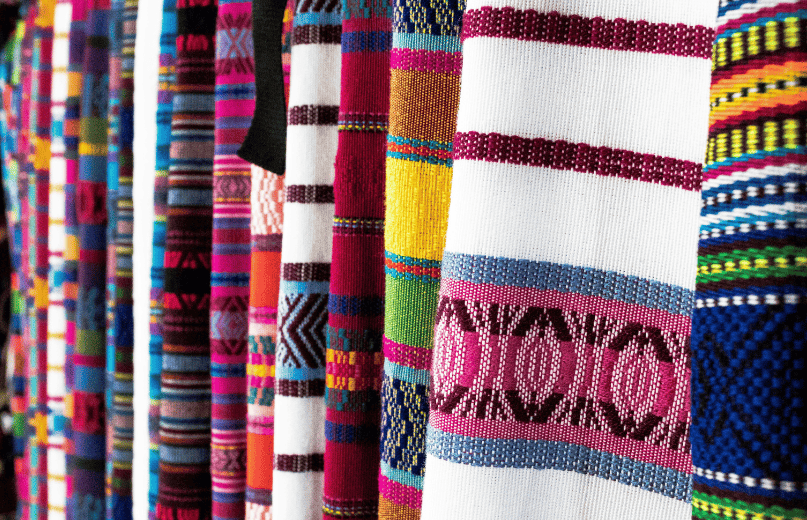
Because fabrics are constantly exposed to pulling, stretching, and mechanical stress during use, tensile strength testing is widely used in apparel manufacturing, technical textiles, medical products, industrial fabrics, and quality control programs.
What is Textile Tensile Strength?
Tensile strength refers to the maximum force a textile material can withstand before it breaks.
The measurement is typically expressed as:
- Newton (N)
- Pound-force (lbf)
- N/50 mm
- lbf/inch
The tensile performance of a fabric depends on several factors, including:
- Fiber composition
- Fabric construction
- Yarn characteristics
- Manufacturing processes
- Finishing treatments
For example, polyester and nylon generally exhibit higher tensile strength than cotton or rayon, while woven fabrics often provide greater tensile resistance than knitted fabrics.
Why is Tensile Strength Important in Textiles?
Tensile strength directly affects the performance and durability of textile products.
A fabric with inadequate tensile strength may:
- Tear prematurely
- Deform during use
- Fail during washing
- Lose functionality under stress
Strong tensile performance contributes to:
- Better product durability
- Improved consumer satisfaction
- Longer product lifespan
- Reduced product failures
- Enhanced product safety
The importance of tensile strength becomes even greater in products where failure could create safety risks.
Why Tensile Strength Testing Is Essential in Fabric Quality Control
Verifies Structural Durability
Tensile testing helps identify:
- Weak fabric constructions
- Substandard yarns
- Inconsistent production quality
- Material defects
Early identification of these issues reduces the risk of product failure in the market.
Supports Regulatory Compliance
Many industries require fabrics to meet specified tensile performance requirements.
Common standards include:
- ASTM D5034
- ASTM D5035
- ISO 13934-1
- ISO 13934-2
Failure to meet these requirements may result in:
- Product rejection
- Contract disputes
- Customer complaints
- Regulatory issues
Improves Supplier Evaluation
Tensile strength data allows buyers to:
- Compare suppliers
- Evaluate material quality
- Monitor consistency
- Reduce sourcing risks
Prevents Downstream Product Failures
Poor tensile properties can result in:
- Torn garments
- Damaged upholstery
- Premature product failure
- Increased warranty claims
Testing helps ensure products meet expected performance requirements.
Standard Methods for Textile Tensile Testing
Textile tensile testing follows standardized procedures to ensure reliable and repeatable results.
Grab Test (ASTM D5034 / ISO 13934-2)
The grab test measures the breaking force using a partial width of the specimen held in clamps.
Characteristics include:
- Simulates real-life fabric stress conditions
- Commonly used for apparel fabrics
- Suitable for general-purpose textiles
Strip Test (ASTM D5035 / ISO 13934-1)
The strip test uses the full width of the specimen between the clamps.
Characteristics include:
- Provides more controlled measurements
- Suitable for technical textiles
- Useful for comparative studies
Additional Testing Methods
Other methods may include:
- Raveled strip method
- Cut strip method
The selected method depends on fabric type, end-use requirements, and customer specifications.
Equipment Used for Textile Tensile Testing
Textile tensile testing is commonly performed using:
- Universal Testing Machines (UTMs)
- Pneumatic grips
- Mechanical clamps
- Appropriate load cells
Typical testing parameters include:
- Gauge length of 75 mm or 100 mm
- Crosshead speed of approximately 300 mm/min
- Minimum of five specimens in both warp and weft directions
Samples should be conditioned according to:
- ASTM D1776
- ISO 139
Proper conditioning ensures consistent moisture content and more reliable results.
How to Interpret Tensile Strength Test Results
Higher tensile strength generally indicates:
- Better durability
- Greater load-bearing capacity
- Improved resistance to tearing
However, the highest tensile strength does not always represent the best fabric.
The intended application should also consider:
- Flexibility
- Comfort
- Fabric weight
- Elongation properties
- End-use requirements
A balance between strength and functionality is often necessary.
Factors That Affect Testing Accuracy
Sample Direction
Warp direction usually exhibits higher tensile strength than weft direction because of yarn density and manufacturing tension.
Both directions should always be tested and reported separately.
Sample Preparation
Testing accuracy can be affected by:
- Uneven cutting
- Frayed edges
- Incorrect dimensions
- Damaged specimens
Environmental Conditions
Temperature and humidity significantly influence textile performance.
Testing is typically conducted under controlled conditions:
- Temperature: 21°C
- Relative humidity: 65%
Grip Type and Pressure
Incorrect grip selection may cause:
- Specimen slippage
- Premature breakage
- Inaccurate results
Grip types should match the fabric characteristics.
Operator Technique
Variations in specimen preparation and equipment operation can affect test repeatability.
Well-trained technicians help improve data reliability.
Common Reasons Fabrics Fail Tensile Strength Testing
Textiles may fail tensile testing because of:
- Poor yarn quality
- Incorrect fiber blends
- Weak fabric construction
- Manufacturing defects
- Improper finishing treatments
- Material degradation during storage
Understanding these failure mechanisms helps manufacturers improve product quality and process control.
Industries That Use Textile Tensile Strength Testing
Apparel and Fashion
Applications include:
- Sportswear
- Workwear
- Denim
- Children’s clothing
- Outdoor apparel
Home Textiles
Applications include:
- Upholstery fabrics
- Curtains
- Bedding products
Technical Textiles
Applications include:
- Airbags
- Geotextiles
- Safety harnesses
- Protective clothing
- Industrial fabrics
Medical Textiles
Applications include:
- Surgical gowns
- Bandages
- Medical fabrics
- Implantable textile products
Military and Protective Products
Applications include:
- Uniforms
- Tents
- Protective equipment
- Ballistic fabrics
Why Professional Textile Testing Services Matter
Professional textile testing laboratories provide:
- Standardized testing procedures
- Calibrated equipment
- Qualified technicians
- Reliable test reports
- Objective performance data
Independent testing helps businesses:
- Verify product quality
- Support product development
- Improve supplier management
- Demonstrate compliance
- Reduce product failure risks
Tensile strength testing is one of the most important methods for evaluating fabric durability and performance. By measuring the force required to break a textile material, manufacturers and buyers gain valuable information about product quality, reliability, and suitability for intended applications.
Applying standardized testing methods such as ASTM D5034 and ISO 13934 helps ensure accurate, repeatable results that support quality control, regulatory compliance, and better sourcing decisions.
Frequently Asked Questions
1. What is textile tensile strength?
Textile tensile strength is the maximum force a fabric can withstand before breaking when subjected to tension.
2. Why is tensile strength testing important?
It helps evaluate fabric durability, prevent product failures, and verify compliance with quality requirements.
3. What standards are used for textile tensile testing?
The most common standards include ASTM D5034, ASTM D5035, ISO 13934-1, and ISO 13934-2.
4. What is the difference between the grab test and strip test?
The grab test measures tensile strength using a partial specimen width, while the strip test uses the full specimen width.
5. Which fabrics have the highest tensile strength?
Synthetic fibers such as polyester and nylon generally exhibit higher tensile strength than natural fibers such as cotton and rayon.
6. Why should fabrics be conditioned before testing?
Conditioning controls moisture content and environmental effects, helping produce accurate and repeatable test results.

 Request Free Sample Report