

Footwear Inspection: Complete Guide to Quality Control and Inspection Standards
Footwear inspection is a quality control process used to verify that shoes meet approved specifications, workmanship standards, functional requirements, and regulatory expectations before they are shipped to customers or retailers. It plays a critical role in identifying defects, maintaining product consistency, and reducing the risk of returns, complaints, and brand damage.
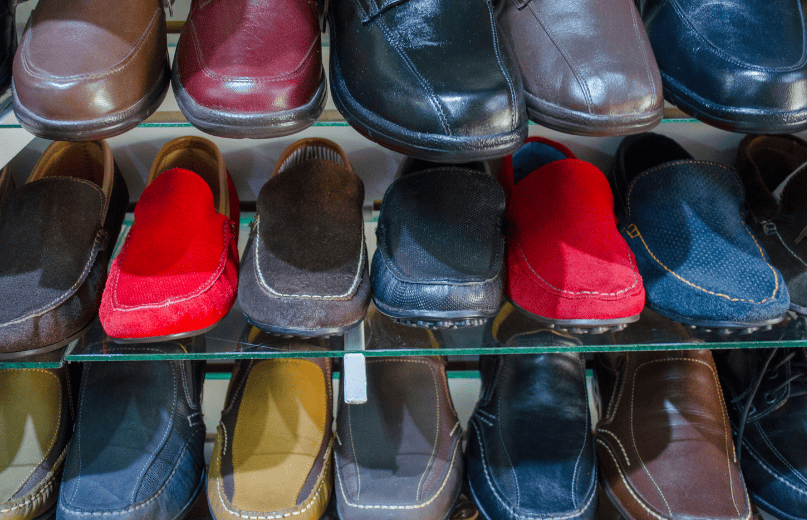
The footwear industry faces unique quality challenges due to the large number of materials, components, and manufacturing processes involved in shoe production. A single pair of shoes may contain dozens of individual parts, including uppers, insoles, outsoles, adhesives, eyelets, laces, and packaging materials. Defects in any of these components can affect product appearance, comfort, durability, and consumer satisfaction.
A structured footwear inspection program helps manufacturers, importers, and retailers ensure that products meet quality expectations before reaching the market.
Why Footwear Inspection Is Important
Footwear defects can result in significant financial and reputational consequences. Problems that are not identified during production often lead to customer complaints, product returns, retailer chargebacks, or even product recalls.
A comprehensive footwear inspection program helps businesses:
- Detect defects before shipment
- Improve production consistency
- Reduce return and warranty costs
- Verify compliance with buyer requirements
- Monitor supplier performance
- Protect brand reputation
- Improve customer satisfaction
Types of Footwear Inspection
Quality control inspections are typically conducted at several stages of production.
Pre-Production Inspection (PPI)
Pre-production inspection takes place before mass production begins. The objective is to verify that raw materials, components, and production preparations meet approved specifications.
Typical inspection items include:
- Upper materials
- Outsole materials
- Insoles and accessories
- Color consistency
- Packaging materials
- Labels and branding components
- Approved samples and specifications
Early verification helps prevent material-related issues from affecting the entire production run.
During Production Inspection (DUPRO)
During production inspection is usually conducted when approximately 20% to 80% of the order has been completed.
Inspectors evaluate:
- Production consistency
- Workmanship quality
- Manufacturing processes
- Defect trends
- Corrective actions
- Production capacity and progress
DUPRO inspections allow manufacturers to address problems before production is completed, reducing the cost of corrective actions.
Pre-Shipment Inspection (PSI)
Pre-shipment inspection is conducted when production is complete and at least 80% of the goods are packed.
This is the most common type of footwear inspection.
Inspectors verify:
- Product quality
- Quantity
- Packaging
- Labeling
- Carton markings
- Functional performance
- Shipment readiness
Container Loading Supervision (CLS)
Container loading supervision verifies that goods are loaded correctly before shipment.
Activities typically include:
- Container condition inspection
- Quantity verification
- Carton count confirmation
- Loading supervision
- Container seal verification
- Final shipment documentation
Footwear Inspection Checklist
A standardized inspection checklist helps ensure consistency across different suppliers and production facilities.
Product Specifications Verification
Inspectors verify:
- Style number
- Model number
- Color
- Size
- Material specifications
- Branding requirements
Products should match approved samples and purchase specifications.
Workmanship Inspection
Workmanship evaluation typically includes:
- Stitching quality
- Bonding quality
- Material condition
- Logo application
- Finishing quality
- Pair matching
Defects are normally classified according to buyer requirements or AQL standards.
Measurement Verification
Measurements commonly checked include:
- Internal length
- External length
- Width
- Heel height
- Sole thickness
- Shaft height
Measurement tolerances should follow approved specifications.
Functional Testing
Depending on the product category, inspectors may perform:
- Flex testing
- Sole adhesion testing
- Slip resistance testing
- Zipper testing
- Lace strength verification
- Velcro testing
- Buckle testing
Functional tests help verify that products perform as intended during normal use.
Labeling Verification
Inspectors verify:
- Country of origin
- Size markings
- Care labels
- Brand labels
- Regulatory information
- Barcode accuracy
Incorrect labeling may result in customs delays or retail rejection.
Packaging Verification
Packaging inspections review:
- Shoe boxes
- Polybags
- Cartons
- Shipping labels
- Barcodes
- Accessories
Proper packaging maintains product condition and supports supply chain accuracy.
Understanding AQL in Footwear Inspection
Most footwear inspections use Acceptable Quality Limit (AQL) sampling procedures based on ISO 2859-1.
Products are inspected using random sampling rather than 100% inspection.
Defects are typically classified into three categories:
| Defect Type | Description |
| Critical Defects | Safety issues that may cause injury or violate regulations |
| Major Defects | Defects affecting function, appearance, or usability |
| Minor Defects | Small imperfections with limited impact on use |
Common AQL levels used for footwear inspections include:
| Defect Category | Typical AQL |
| Critical | 0 |
| Major | 2.5 |
| Minor | 4.0 |
AQL inspection provides a standardized method for shipment acceptance decisions.
Footwear Functional Testing Methods
Inspection often includes performance testing to verify product durability and reliability.
Common footwear tests include:
Flexing Test
Measures resistance to repeated bending and identifies potential cracking or material failure.
Sole Adhesion Test
Evaluates bonding strength between the upper and sole.
Abrasion Resistance Test
Measures material resistance to wear during normal use.
Slip Resistance Test
Assesses traction performance on different surfaces.
Color Fastness Test
Determines whether materials resist color transfer and fading.
Water Resistance Test
Evaluates protection against moisture penetration.
Performance testing is particularly important for sports footwear, safety footwear, and outdoor products.
Footwear Standards and Regulatory Requirements
Footwear products may be subject to different regulatory requirements depending on the destination market.
United States
Requirements may include:
- CPSIA requirements for children’s footwear
- Chemical restrictions
- Labeling requirements
European Union
Common requirements include:
- REACH Regulation
- General Product Safety Regulation (GPSR)
- Restricted substances requirements
United Kingdom
Requirements may include:
- UK REACH
- General product safety requirements
- Labeling requirements
Other Markets
Additional regulations may apply depending on product type and destination country.
Different markets have specific chemical, safety, and labeling requirements for footwear products. Read our complete guide to Footwear Standards and Regulatory Requirements to understand global compliance obligations.
Why Third-Party Footwear Inspection Matters
Independent third-party inspections provide objective verification of product quality before shipment.
Benefits include:
- Early defect detection
- Reduced return rates
- Improved supplier accountability
- Greater product consistency
- Better compliance management
- Increased buyer confidence
- Reduced financial risk
Third-party inspection reports also provide documented evidence that products were evaluated according to agreed quality standards.
Footwear inspection plays an essential role in maintaining product quality, protecting brand reputation, and ensuring customer satisfaction. A structured inspection program covering raw materials, workmanship, functional performance, packaging, and compliance requirements helps manufacturers and importers reduce quality risks throughout the supply chain.
By implementing inspections at key production stages and using standardized methods such as AQL sampling, companies can improve consistency, reduce defects, and ensure that footwear products meet market expectations before shipment.

 Request Free Sample Report