


Food Contact Materials (FCM): Safety, Testing, and Compliance Requirements
Food Contact Materials (FCMs) are materials and articles intended to come into direct or indirect contact with food during manufacturing, processing, packaging, storage, transportation, preparation, or consumption. These materials play an essential role in protecting food quality, maintaining product integrity, and supporting consumer safety throughout the food supply chain.
Because food contact materials interact directly with food, they are subject to regulatory controls in most markets. Manufacturers, importers, and brands must ensure that food contact materials are suitable for their intended use and do not transfer substances into food at levels that could affect human health, food composition, taste, or odor.
Food contact material compliance typically involves regulatory assessment, laboratory testing, supplier verification, and technical documentation to demonstrate conformity with applicable requirements.
What Are Food Contact Materials?
Food contact materials include any material or article expected to come into contact with food under normal or foreseeable conditions of use.
Common examples include:
- Plastic food containers
- Food packaging films
- Beverage bottles
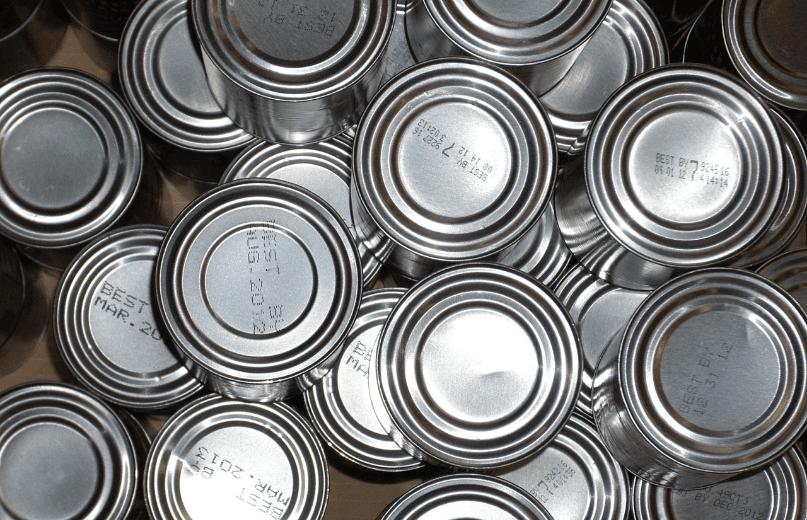
- Metal cans
- Paper and cardboard packaging
- Kitchen utensils
- Tableware
- Silicone bakeware
- Food processing equipment
- Coatings, inks, and adhesives used in food packaging
Food contact materials may have direct contact with food, such as a reusable food container, or indirect contact through packaging structures and food handling systems.
Regardless of the application, materials must be evaluated to confirm their suitability for food contact use.
Why Food Contact Material Compliance Matters
Food contact material regulations are designed to protect consumers and ensure that packaging and food-contact products remain safe throughout their intended lifecycle.
Failure to comply with food contact requirements may lead to:
- Chemical migration into food
- Product recalls
- Customs delays
- Regulatory enforcement
- Import restrictions
- Customer complaints
- Supply chain disruption
Compliance programs help verify that materials remain stable under expected conditions of use, including exposure to heat, moisture, acidity, fats, alcohol, and prolonged storage periods.
Many countries require manufacturers and importers to demonstrate food contact compliance before products can be placed on the market.
Common Types of Food Contact Materials
Plastic Food Contact Materials
Plastic materials are widely used in food packaging and storage applications due to their versatility and barrier properties.
Examples include:
- Food storage containers
- Packaging films
- Beverage bottles
- Disposable tableware
Plastic food contact materials commonly require migration testing to evaluate whether regulated substances may transfer into food under foreseeable conditions of use.
Metal Food Contact Materials
Metal materials are frequently used because of their durability, strength, and barrier performance.
Examples include:
- Food cans
- Stainless steel cookware
- Metal drinkware
- Aluminium packaging
Aluminium food packaging materials may require migration testing and compliance verification depending on the destination market and intended food contact conditions.
Compliance assessments may include migration testing, metal release evaluation, and coating performance verification.
Paper and Cardboard Food Packaging
Paper-based materials are commonly used for food service and packaging applications.
Examples include:
- Takeaway containers
- Bakery packaging
- Paper cups
- Food cartons
- Fast-food packaging
Certain paper and fiber-based packaging materials may also require evaluation for PFAS compliance where grease-resistant treatments are used.
Glass and Ceramic Food Contact Materials
Glass and ceramic products are commonly used for food storage, preparation, and serving.
Typical assessments may include:
- Lead release testing
- Cadmium release testing
- Surface coating evaluation
Silicone Food Contact Materials
Silicone materials are widely used in bakeware, kitchen tools, and baby feeding products because of their flexibility and heat resistance.
Compliance evaluations often include migration testing and assessment of volatile compounds under elevated temperatures.
Food Contact Material Regulations by Region
Food contact material requirements vary across jurisdictions.
European Union
Food contact materials in the European Union are regulated through a framework that includes:
- Regulation (EC) No. 1935/2004
- Regulation (EU) No. 10/2011 for plastics
- Good Manufacturing Practice Regulation (EC) No. 2023/2006
These regulations require food contact materials to remain safe under intended conditions of use and not adversely affect food quality.
Germany
Germany applies additional food contact requirements through the LFGB framework.
LFGB assessments commonly include:
- Overall migration testing
- Odour testing
- Taste testing
- Material-specific food contact evaluations
Manufacturers supplying food contact products to Germany may conduct LFGB testing to demonstrate food contact safety and sensory compliance for the German market.
United States
In the United States, food contact materials are regulated by the U.S. Food and Drug Administration (FDA).
Requirements may involve:
- FDA 21 CFR compliance
- Food Contact Notifications (FCN)
- Material safety assessments
- Supporting technical documentation
China
China regulates food contact materials through the GB standards system.
Common requirements include:
- GB 4806 series
- GB 9685 additive requirements
- Material-specific food contact standards
Testing requirements depend on material type and intended application.
Food Contact Material Testing Requirements
Laboratory testing is an important part of demonstrating food contact compliance.
Overall Migration Testing
Overall migration testing measures the total amount of substances that may migrate from a material into food or food simulants.
This is one of the most widely applied food contact tests.
Specific Migration Testing
Specific migration testing evaluates individual substances that are subject to regulatory limits.
Examples may include:
- Monomers
- Plastic additives
- Heavy metals
- Restricted chemicals
Heavy Metal Testing
Certain food contact materials require testing for substances such as:
- Lead
- Cadmium
- Mercury
- Chromium
Requirements vary depending on product category and destination market.
Food Simulant Testing
Food simulants are used to represent different food types during laboratory evaluations.
Testing conditions are selected according to:
- Food type
- Contact time
- Contact temperature
- Intended use
Sensory Evaluation
Certain food contact materials must demonstrate that they do not affect the taste or odor of food.
Sensory assessments are commonly applied to:
- Drinkware
- Food containers
- Tableware
- Silicone products
How to Ensure Food Contact Material Compliance
A structured compliance process helps reduce regulatory risk and support market access.
Step 1: Identify Applicable Regulations
Determine which regulations apply based on:
- Destination market
- Material composition
- Product application
- Intended food contact conditions
Step 2: Review Supplier Documentation
Obtain and evaluate:
- Material declarations
- Technical specifications
- Compliance statements
- Supporting test reports
Step 3: Conduct Appropriate Testing
Testing should reflect:
- Material type
- Food contact conditions
- Customer requirements
- Regulatory obligations
Step 4: Prepare Compliance Documentation
Documentation commonly includes:
- Test reports
- Declarations of Compliance (DoC)
- Technical files
- Material specifications
Step 5: Perform Ongoing Verification
Compliance should be reviewed whenever:
- Materials change
- Suppliers change
- Formulations change
- Regulations are updated
Common Food Contact Material Compliance Issues
Several recurring issues are frequently identified during compliance reviews.
Excessive Migration Results
Materials may release substances above permitted limits during intended use.
Incomplete Documentation
Missing declarations, specifications, or test reports can delay approvals and market access.
Unauthorized Substances
Restricted additives or non-compliant raw materials may create regulatory concerns.
Material Changes Without Reassessment
Changes in suppliers or formulations may invalidate previous compliance evaluations.
Poor Traceability
Insufficient documentation can make regulatory verification difficult during audits or inspections.
Food contact materials play a critical role in food safety, product quality, and regulatory compliance. Because requirements vary according to material type, intended application, and destination market, compliance programs should combine regulatory review, supplier verification, laboratory testing, and technical documentation. A structured approach helps organizations demonstrate conformity, reduce regulatory risk, and support successful market access across global food supply chains.

 Request Free Sample Report