
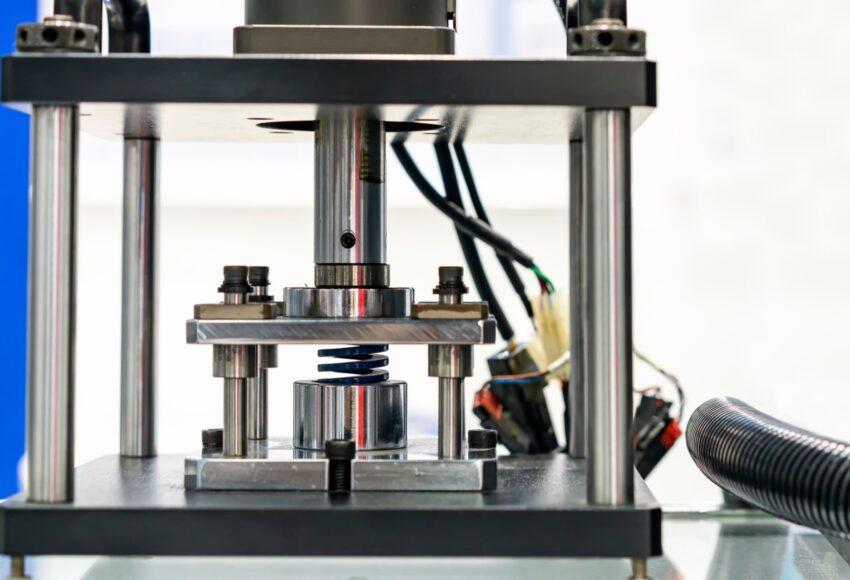
Fatigue Testing of Materials
Materials used in industrial products are frequently exposed to repeated stress during normal operation. Even when stress levels remain below a material’s ultimate strength, repeated loading can cause microscopic damage that accumulates over time. This process, known as fatigue, can eventually lead to unexpected failure.
Fatigue testing evaluates how materials respond to cyclic stress and helps manufacturers, engineers, and importers verify durability, reliability, and service life. In safety-critical applications such as structural components, machinery parts, and transportation equipment, fatigue performance is essential to prevent premature failure and reduce safety risks.
This guide explains fatigue failure mechanisms, testing methods, applicable standards, and how fatigue testing supports quality assurance and risk reduction.
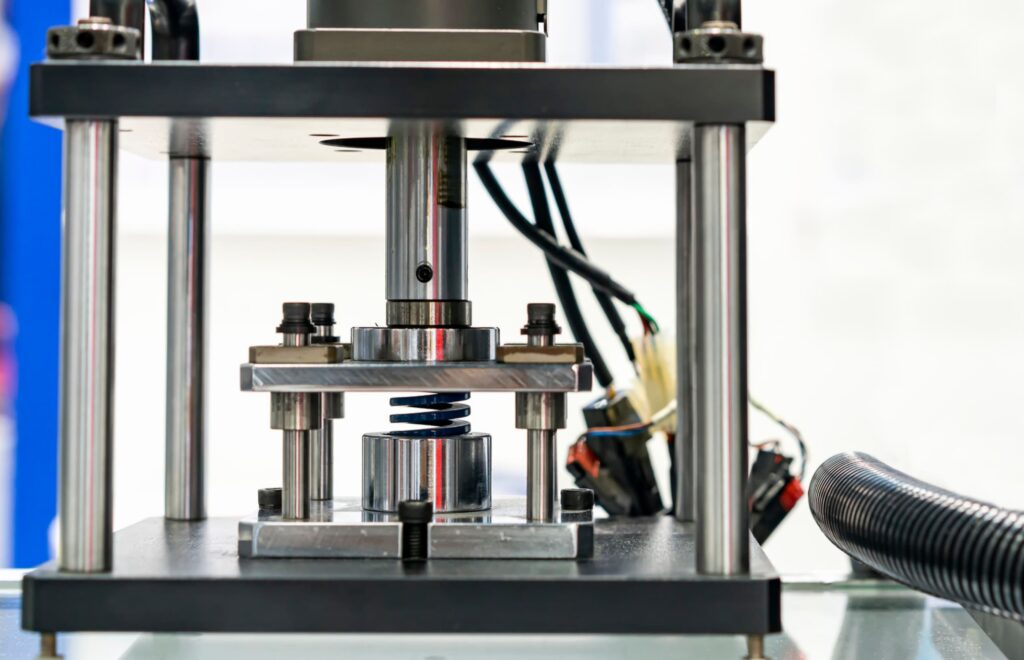
What Is Fatigue Failure and Why It Occurs
Fatigue failure occurs when a material fractures after repeated loading and unloading cycles. Unlike overload failure, fatigue failure can develop even when stress levels remain below the material’s maximum strength.
The fatigue process typically occurs in three stages:
Crack initiation
Microscopic cracks begin at surface imperfections, inclusions, weld defects, or stress concentration areas.
Crack propagation
Repeated stress causes cracks to grow incrementally with each load cycle.
Final fracture
Once the crack reaches a critical size, the remaining cross-section can no longer support the load, resulting in sudden failure.
Common causes of fatigue failure include:
- cyclic loading or vibration
- stress concentrations near holes, welds, or sharp corners
- poor surface finish
- corrosion or environmental exposure
- improper heat treatment
- residual stresses from manufacturing
Because fatigue damage accumulates gradually and is often invisible, fatigue failure can occur without warning.
Why Fatigue Testing Is Critical for Industrial Safety
Fatigue testing is essential for verifying structural integrity and long-term reliability.
Industrial components often operate under dynamic loads, vibration, rotation, or thermal expansion. Without fatigue testing, products may fail prematurely in real-world conditions.
Fatigue testing helps:
- prevent structural collapse and safety hazards
- ensure long-term durability under cyclic loading
- verify product reliability before market release
- validate design and material selection
- reduce liability and warranty claims
- comply with safety and engineering standards
Industries such as construction, transportation, machinery, and consumer durable goods rely on fatigue testing to confirm safe performance over time.
Types of Fatigue Testing Methods
Different fatigue testing methods simulate real operating conditions and stress patterns.
Axial Fatigue Testing
Applies cyclic tensile and compressive loads along the axis of a specimen.
Commonly used for structural metals, fasteners, and load-bearing components.
Rotating Bending Fatigue Testing
Subjects a rotating specimen to repeated bending stress cycles.
Often used for shafts, rods, and rotating components.
Torsional Fatigue Testing
Applies cyclic twisting forces to evaluate resistance to shear stress.
Used for drive shafts, couplings, and rotating machinery parts.
High-Frequency Fatigue Testing
Accelerates fatigue evaluation by increasing cycle frequency to simulate long-term use within a shorter testing period.
Fatigue Crack Growth Rate Testing
Measures crack propagation behavior under cyclic loading to predict remaining service life and structural reliability.
Each method is selected based on product function, loading conditions, and industry requirements.
Understanding the S–N Curve in Fatigue Testing
Fatigue test results are commonly presented using an S–N curve (Wöhler curve), which plots stress level against the number of cycles to failure.
This curve helps engineers:
- determine fatigue strength at specific cycle levels
- estimate service life under cyclic loading
- compare durability between materials
- establish safe design stress limits
S–N curves are fundamental tools for reliability engineering and structural design.
High-Cycle vs Low-Cycle Fatigue Explained
Fatigue behavior varies depending on stress level and number of load cycles.
High-Cycle Fatigue (HCF)
- stress levels are relatively low
- failure occurs after thousands to millions of cycles
- common in rotating machinery and structural components
- design focuses on endurance limits
High-cycle fatigue is typically evaluated under stress-controlled conditions, where applied stress remains within the elastic range and no permanent deformation occurs.
Some materials, including many steels and titanium alloys, exhibit a distinct endurance limit. Below this stress threshold, the material can theoretically withstand an infinite number of load cycles without fatigue failure.
Low-Cycle Fatigue (LCF)
- stress levels are high and may cause plastic deformation
- failure occurs after fewer cycles
- associated with thermal expansion, heavy loading, or start-stop operations
- common in pressure vessels and high-temperature equipment
Low-cycle fatigue is typically evaluated under strain-controlled conditions, where repeated loading causes plastic deformation during each cycle. This repeated yielding accelerates crack initiation and shortens fatigue life.
Understanding whether fatigue behavior is stress-controlled or strain-controlled helps engineers select appropriate testing methods and predict service performance more accurately.
It is important to note that materials such as aluminum and copper do not exhibit a true endurance limit and will eventually fail under cyclic loading, even at low stress levels.
Fatigue Testing Standards and Compliance Requirements
Fatigue testing procedures are governed by international standards to ensure reliability, consistency, and comparability.
ASTM Standards
- ASTM E466 – Axial fatigue testing of metallic materials
- ASTM E606 – Strain-controlled fatigue testing
- ASTM E647 – Fatigue crack growth rate testing
ISO Standards
- ISO 1099 – Fatigue testing under axial force
- ISO 12107 – Statistical planning and analysis of fatigue testing
- ISO 1143 – Rotating bending fatigue testing
Industry Standards
- aerospace and automotive fatigue evaluation standards
- structural engineering and welding fatigue codes
- sector-specific durability requirements
Compliance with recognized standards ensures testing results are credible and accepted in global markets.
Factors Affecting Fatigue Life
Fatigue life varies significantly depending on material properties and operating conditions.
Stress Levels and Load Cycles
Higher stress levels and increased cycle frequency accelerate fatigue failure.
Surface Condition
Rough surfaces, scratches, and machining marks create stress concentration points that initiate cracks.
Material Microstructure
Grain size, inclusions, and heat treatment influence fatigue resistance.
Stress Concentration
Sharp edges, holes, threads, and weld transitions increase local stress intensity.
Environmental Conditions
Corrosion, humidity, temperature fluctuations, and chemical exposure accelerate fatigue damage.
Residual Stresses
Manufacturing processes such as welding, forming, or machining may introduce internal stresses that reduce fatigue strength.
Size Effect
Larger components often exhibit lower fatigue strength than smaller laboratory specimens. A greater material volume increases the probability of microscopic defects or inclusions that can initiate fatigue cracks. Considering size effects is essential when translating laboratory fatigue data into real-world product performance.
Applications Across Industries
Fatigue testing is essential across multiple industrial sectors.
Construction and Structural Engineering
- structural steel components
- bridge elements
- load-bearing assemblies
Automotive and Transportation
- suspension systems
- engine components
- wheels and axles
Industrial Machinery
- rotating shafts
- gears and couplings
- pressure vessels
Energy and Infrastructure
- pipelines
- wind turbine components
- offshore structures
Consumer Durable Products
- fitness equipment
- furniture load-bearing frames
- mechanical assemblies
Fatigue performance is critical wherever materials experience repeated stress over time.
How Fatigue Testing Prevents Costly Failures
Fatigue-related failures can result in safety risks, operational downtime, product recalls, and reputational damage.
Fatigue testing enables organizations to:
- identify design weaknesses before mass production
- verify durability under real-world conditions
- reduce maintenance and repair costs
- prevent structural and mechanical failures
- improve product reliability and customer confidence
Early fatigue evaluation significantly reduces long-term financial and safety risks.
Fatigue testing of materials plays a critical role in ensuring durability, safety, and long-term reliability in industrial products. By simulating cyclic stress conditions, fatigue testing reveals how materials perform under real operating loads and helps prevent unexpected failures.
Understanding fatigue mechanisms, testing methods, and influencing factors enables manufacturers and importers to improve product design, verify compliance, and reduce operational risks. Integrating fatigue testing into quality control programs supports consistent performance and strengthens confidence in product safety and reliability.

 Request Free Sample Report