


Common Footwear Defects: Types, Causes, and Prevention Guide
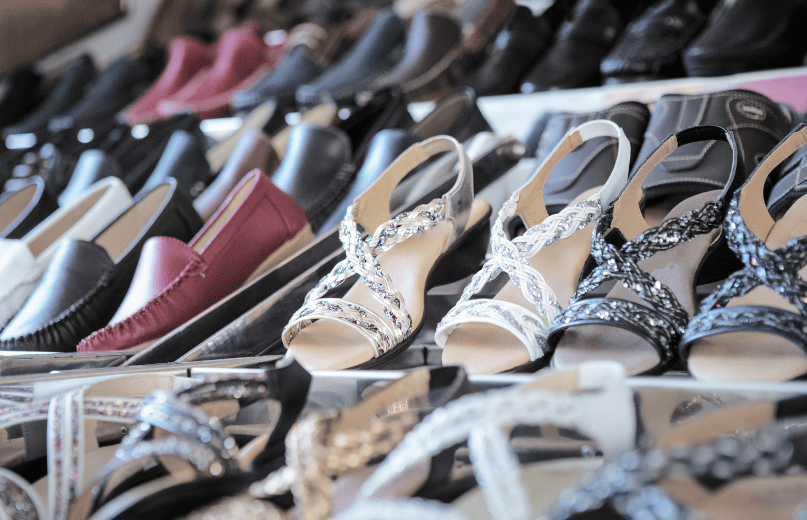
Footwear defects can affect appearance, fit, durability, performance, and safety. Common issues include sole separation, stitching defects, glue stains, color variation, surface damage, and incorrect sizing.
Because footwear production involves multiple materials and processes, defects can develop during cutting, stitching, molding, bonding, finishing, handling, or packaging. Identifying where defects occur and what causes them helps determine appropriate corrective and preventive actions.
This guide covers common footwear defects, their typical causes, how they can be controlled during production, and what is checked during footwear inspection.
What Are Footwear Defects?
Footwear defects are conditions that do not meet agreed product specifications, approved samples, workmanship requirements, or applicable quality criteria.
Some defects primarily affect appearance. Others can affect fit, function, durability, or product safety.
Common examples include:
- Loose, broken, or skipped stitching
- Sole separation
- Weak bonding
- Glue stains
- Material wrinkles or creases
- Color and shade variation
- Incorrect sizing
- Surface scratches
- Shape distortion
- Uneven finishing
- Left and right shoe mismatch
During inspection, identified defects may be classified as critical, major, or minor according to their severity and the agreed inspection criteria.
Common Types of Footwear Defects
1. Upper Material Defects
The upper forms a large visible area of most footwear and can develop defects during material cutting, stitching, assembly, storage, or handling.
Common upper defects include:
- Wrinkles and unwanted creases
- Scratches and scuff marks
- Tears or cuts
- Surface contamination
- Material deformation
- Uneven texture
- Shade variation
The acceptable appearance depends on the footwear design, material, approved sample, and agreed workmanship standard.
Common causes: Poor material handling, unsuitable storage conditions, cutting problems, inconsistent material batches, or excessive stretching during assembly.
Prevention: Inspect incoming materials, protect surfaces during handling, control material storage conditions, and verify appearance against approved samples before assembly.
2. Stitching and Seam Defects
Stitching helps secure footwear components and contributes to the finished appearance of the shoe.
Typical stitching defects include:
- Loose threads
- Broken stitches
- Missing stitches
- Skipped stitches
- Uneven stitch lines
- Open seams
- Incorrect stitch density
- Poorly trimmed thread ends
Severe stitching problems can weaken seams and affect durability.
Common causes: Incorrect thread tension, worn needles, unsuitable machine settings, inconsistent operator technique, or poor alignment during sewing.
Prevention: Maintain sewing equipment, establish stitching specifications, check thread tension and stitch density, and monitor seam quality during production.
3. Outsole Defects
Outsole defects involve the physical condition, shape, or finish of the outsole itself.
Examples include:
- Cracks
- Warping
- Deformation
- Uneven molding
- Excess flashing
- Incomplete molding
- Surface imperfections
- Contamination
Depending on severity, outsole defects can affect appearance, stability, wear, or product performance.
Common causes: Incorrect molding conditions, material problems, mold contamination, improper cooling, or poor handling after molding.
Prevention: Control molding parameters, inspect outsole materials and finished components, maintain molds, and verify outsole dimensions and appearance before assembly.
4. Sole Separation and Bonding Defects
Bonding defects occur when the sole does not remain properly attached to the upper or other bonded components.
Typical defects include:
- Sole separation
- Partial opening between the upper and sole
- Weak bonding
- Delamination
- Uneven adhesive application
- Glue overflow
- Visible glue stains
Bonding failures can affect footwear durability and lead to premature product failure.
Common causes: Inadequate surface preparation, incorrect adhesive quantity, contamination, unsuitable adhesive, insufficient activation, incorrect pressure, or inadequate curing.
Prevention: Standardize surface preparation and adhesive application, control bonding conditions, follow specified curing requirements, and check bond quality during production.
5. Color and Appearance Defects
A finished pair should meet the agreed requirements for color, material, construction, and overall appearance.
Common appearance defects include:
- Shade variation
- Left and right shoe color mismatch
- Material mismatch
- Uneven finishing
- Surface marks
- Visible adhesive
- Uneven polishing or coating
- Poorly aligned decorative components
Common causes: Variation between material batches, inconsistent finishing processes, component mixing, contamination, or inadequate pair matching.
Prevention: Control material lots, establish approved color references, conduct shade checks under suitable lighting, and verify pair matching before packing.
6. Size and Measurement Defects
Sizing defects occur when finished footwear does not meet the specified size or dimensional requirements.
Examples include:
- Incorrect shoe length
- Incorrect width
- Left and right shoe size mismatch
- Incorrect size marking
- Dimensional variation between production batches
- Incorrect insole or outsole dimensions
Sizing problems can affect fit and lead to customer complaints or returns.
Common causes: Pattern inaccuracies, incorrect lasts, component variation, assembly errors, or inadequate dimensional control.
Prevention: Verify patterns and lasts before production, measure finished footwear against approved specifications, and conduct size checks throughout production.
7. Shape and Construction Defects
Footwear can also develop structural or shape inconsistencies during lasting, assembly, bonding, or finishing.
Examples include:
- Twisted shoes
- Uneven toe shape
- Heel misalignment
- Asymmetrical pairs
- Poor component positioning
- Distorted uppers
- Uneven sole attachment
Common causes: Incorrect lasting, component misalignment, inconsistent assembly, unsuitable pressure, or deformation during storage.
Prevention: Use approved construction references, control component positioning, verify pair symmetry, and monitor shape during assembly and finishing.
Common Footwear Defects, Causes, and Controls
| Footwear Defect | Common Cause | Typical Prevention or Control |
| Loose or uneven stitching | Incorrect machine settings or thread tension | Check sewing settings, stitch density, and seam consistency |
| Sole separation | Poor surface preparation, adhesive application, or curing | Control bonding preparation, adhesive application, pressure, and curing |
| Glue stains | Excess or poorly controlled adhesive | Standardize adhesive quantity and application |
| Material wrinkles | Handling, stretching, or assembly problems | Control material handling and upper assembly |
| Color variation | Differences between material batches | Verify shade consistency before production and pair matching |
| Surface scratches | Poor storage or handling | Protect components and finished products during handling |
| Warped outsole | Molding or cooling problems | Control molding parameters and inspect finished outsoles |
| Incorrect size | Pattern, last, or assembly variation | Verify dimensions against approved specifications |
| Pair mismatch | Poor sorting or assembly control | Compare left and right shoes before packing |
| Shape distortion | Lasting, assembly, or storage problems | Check shape and symmetry during production |
The exact corrective action depends on the product construction, material, manufacturing process, and root cause of the defect.
Critical, Major, and Minor Footwear Defects
Footwear defects are commonly classified according to severity during quality inspection.
Critical Defects
Critical defects are conditions that may create a safety hazard or present a serious risk to the user.
Examples may include:
- Exposed sharp points or edges
- Dangerous foreign objects
- Safety-related structural failures
- Other conditions presenting an unacceptable safety risk
Major Defects
Major defects can significantly affect product function, durability, fit, appearance, or saleability.
Examples may include:
- Sole separation
- Open seams
- Broken stitching affecting construction
- Incorrect size
- Significant material damage
- Severe pair mismatch
- Major shape distortion
Minor Defects
Minor defects generally have a limited effect on product use but do not fully meet the agreed workmanship standard.
Examples may include:
- Small glue marks
- Minor surface scratches
- Slight finishing inconsistencies
- Small cosmetic imperfections
The classification of a specific defect should follow the agreed inspection criteria because severity can vary according to footwear type, intended use, location of the defect, and customer requirements.
During an AQL inspection, the number of critical, major, and minor defects found in the selected sample is evaluated against the applicable acceptance criteria.
How Are Footwear Defects Checked During Inspection?
During a footwear inspection, selected samples are checked against product specifications, approved samples, workmanship requirements, packaging instructions, and the agreed inspection checklist.
Typical inspection activities may include:
- Visual workmanship inspection
- Upper and material condition checks
- Stitching and seam inspection
- Sole and bonding checks
- Pair matching
- Size and dimensional measurements
- Color and appearance verification
- Logo, label, and marking checks
- Quantity and assortment verification
- Packaging inspection
- Basic functional checks
The inspection scope depends on the footwear type and agreed requirements.
Certain characteristics may also require laboratory testing. Depending on the product and applicable requirements, footwear testing can evaluate properties such as adhesion strength, flex resistance, abrasion resistance, slip resistance, material performance, or other safety and performance characteristics.
How to Prevent Footwear Defects During Production
Effective footwear quality control requires checks at multiple production stages.
Inspect Incoming Materials and Components
Leather, synthetic materials, textiles, outsoles, insoles, adhesives, accessories, and other components should be checked against specifications before production.
Material problems identified before cutting or assembly are easier to isolate before they affect a larger production quantity.
Establish Approved Product References
Approved samples, specifications, size charts, color references, and workmanship criteria provide a consistent basis for production and inspection.
These references should be available to relevant production and quality personnel.
Control Stitching and Assembly Processes
Machine settings, component positioning, seam construction, and assembly procedures should be monitored during production.
Repeated stitching or alignment defects can indicate a process issue that requires correction.
Control the Bonding Process
Surface preparation, adhesive application, activation, pressure, and curing conditions should follow the defined process requirements.
Bonding problems should be investigated when separation or weak adhesion appears repeatedly during production.
Monitor Production Quality
Checking products while production is underway can identify recurring defects before the same issue affects a larger quantity.
For example, repeated stitching defects, shade variation, or bonding problems found during production can trigger corrective action before final assembly is completed.
Conduct Pre-Shipment Inspection
A pre-shipment inspection provides an independent assessment of finished goods before shipment.
The inspection can verify workmanship, quantity, product specifications, labeling, packaging, and other agreed requirements using the defined sampling and acceptance criteria.
Why Early Defect Detection Matters
The stage at which a defect is identified can affect the amount of rework required.
A material defect found before cutting may affect only the incoming material lot. The same issue discovered after thousands of pairs have been assembled can require substantially more sorting and rework.
The same principle applies to recurring stitching, bonding, sizing, and color problems. Monitoring production provides an opportunity to identify patterns, investigate their causes, and implement corrective action before production is completed.
Footwear Defect Control and Inspection
Footwear defects can originate from materials, equipment, production processes, assembly, finishing, handling, or packaging. Effective defect control begins with clear product specifications and continues through incoming material checks, production monitoring, process control, final inspection, and appropriate product testing.
Understanding the relationship between a defect and its likely cause helps determine the appropriate corrective action. Inspection then provides documented findings on whether the finished goods meet the agreed quality requirements.
For finished orders, ECQA’s footwear inspection services can verify workmanship, sizing, construction, labeling, packaging, and other specified requirements before shipment.

 Request Free Sample Report