Apparel Inspection: Complete Guide to Garment Quality Control
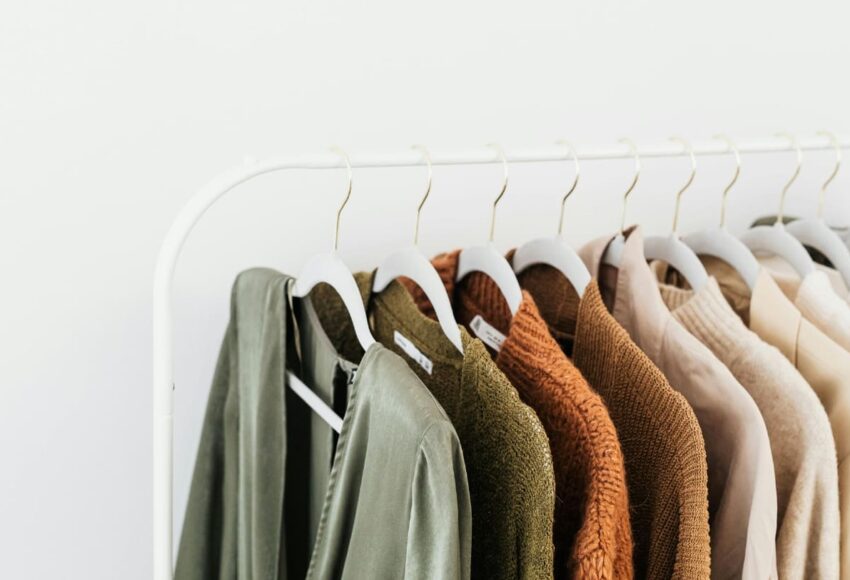
Apparel inspection is the process of evaluating garments during and after production to verify that they meet quality, workmanship, measurement, labeling, and packaging requirements before shipment. It helps identify defects early, improve product consistency, reduce product returns, and verify that garments meet defined quality specifications.
Why Apparel Inspection Is Important
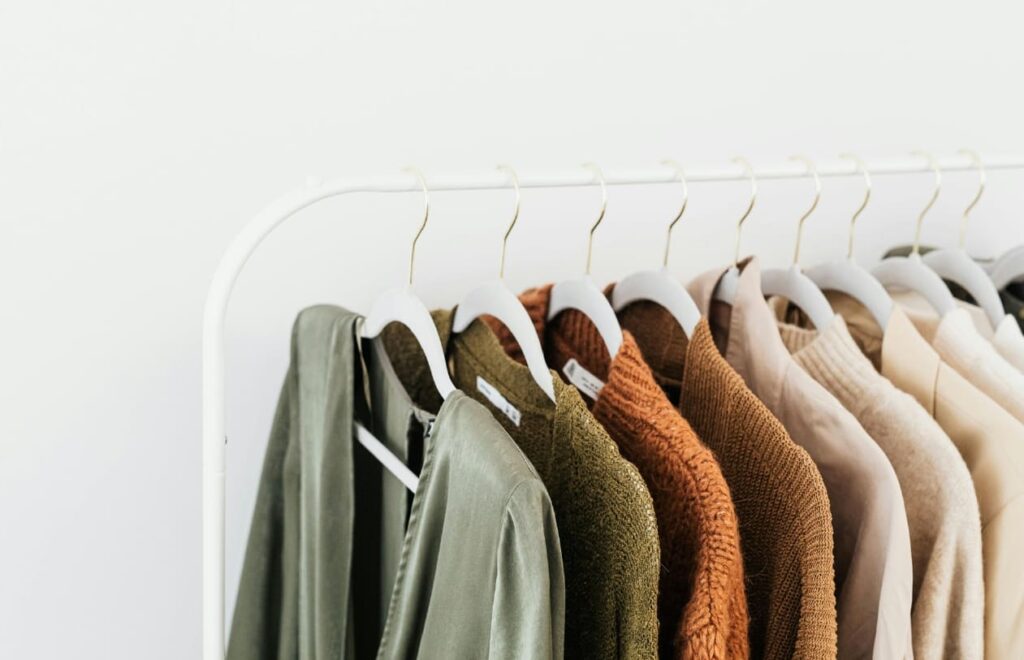
Garment quality directly affects customer satisfaction and brand reputation. Even small workmanship issues can result in rejected shipments, retailer claims, or costly product returns.
An effective apparel inspection program helps businesses:
- Verify product quality before shipment
- Identify production issues early
- Reduce product returns and customer complaints
- Ensure consistency across production batches
- Confirm compliance with buyer specifications
- Protect brand reputation
For importers and retailers, inspection provides an independent assessment before goods leave the factory.
Types of Apparel Inspection
Apparel inspections can be performed at different stages of production depending on the level of quality control required.
| Inspection Type | Purpose |
| Pre-Production Inspection (PPI) | Verify raw materials, trims, and production readiness |
| During Production Inspection (DUPRO) | Monitor production quality while manufacturing is in progress |
| Pre-Shipment Inspection (PSI) | Inspect finished garments before shipment |
| Container Loading Supervision (CLS) | Verify loading quantity, packaging, and container condition |
Using multiple inspection stages helps reduce quality risks throughout the production process.
Apparel Inspection Checklist
A garment inspection normally evaluates several aspects of product quality.
Workmanship
Inspectors examine overall garment construction, including:
- Stitching quality
- Seam construction
- Loose threads
- Broken stitches
- Fabric damage
- Button attachment
- Zipper function
- Hem quality
Good workmanship ensures the garment performs as intended and meets customer expectations.
Measurements
Garments are measured against the approved size specification.
Typical measurement checks include:
- Chest width
- Waist
- Hip
- Sleeve length
- Body length
- Shoulder width
- Inseam
- Collar dimensions
Incorrect measurements are among the most common reasons for apparel returns.
Appearance
Visual inspection identifies cosmetic issues such as:
- Fabric stains
- Oil marks
- Color variation
- Printing defects
- Embroidery defects
- Fabric wrinkles
- Shade differences
- Fabric distortion
Appearance is especially important for fashion brands where presentation directly influences purchasing decisions.
Labels and Packaging
Inspectors also verify:
- Care labels
- Size labels
- Country of origin labels
- Hang tags
- Barcode labels
- Polybags
- Carton markings
- Packaging quantity
Incorrect labeling can create compliance issues and delay customs clearance.
Common Apparel Defects
Several defects are frequently identified during garment inspections.
| Defect | Description |
| Loose threads | Excess thread remaining after sewing |
| Open seams | Stitching has separated |
| Broken stitches | Missing or damaged stitches |
| Fabric stains | Oil, dirt, or chemical contamination |
| Color variation | Inconsistent fabric shade |
| Incorrect measurements | Garment outside size tolerance |
| Skipped stitches | Missing stitch sections |
| Printing defects | Misaligned or incomplete prints |
| Uneven hems | Inconsistent finishing quality |
| Missing accessories | Missing buttons, snaps, or labels |
Early identification allows manufacturers to implement corrective actions before shipment.
AQL Sampling for Apparel Inspection
Most third-party inspections use Acceptance Quality Limit (AQL) sampling to determine whether a shipment meets the agreed quality level.
Rather than inspecting every garment, inspectors randomly select samples according to internationally recognized sampling plans.
Defects are typically classified as:
| Classification | Description |
| Critical Defects | Safety or regulatory issues that make the product unacceptable |
| Major Defects | Defects likely to affect product function or customer satisfaction |
| Minor Defects | Cosmetic imperfections with limited impact on product use |
The acceptable number of defects depends on the agreed AQL level between the buyer and supplier.
Common Inspection Equipment
Inspectors use various tools to verify garment quality accurately.
Typical equipment includes:
- Measuring tape
- Fabric GSM scale
- Color reference standards
- Needle detector (where required)
- Light box for color evaluation
- Barcode scanner
- Digital camera
- Inspection checklist
These tools help ensure inspection results are objective and consistent.
Best Practices for Apparel Quality Control
Manufacturers can improve garment quality by implementing quality control throughout production rather than relying solely on final inspection.
Recommended practices include:
- Inspect incoming fabrics and accessories
- Approve pre-production samples
- Monitor sewing quality during production
- Verify measurements regularly
- Perform in-line inspections
- Conduct final inspections before shipment
- Maintain clear production specifications
- Train production operators consistently
Combining process control with independent inspections significantly reduces quality issues.
Apparel inspection plays a critical role in garment quality control by verifying workmanship, measurements, appearance, labeling, and packaging before products reach the market. Implementing inspections at key production stages helps manufacturers reduce defects, improve consistency, and ensure garments meet customer expectations and buyer requirements.
Frequently Asked Questions
1. What is apparel inspection?
Apparel inspection is the process of evaluating garments for workmanship, measurements, appearance, labeling, and packaging to verify they meet buyer specifications before shipment.
2. What is checked during a garment inspection?
Inspectors typically evaluate workmanship, garment measurements, fabric quality, printing, embroidery, labeling, packaging, and overall appearance.
3. When should apparel inspection be performed?
Apparel inspections can be conducted before production, during production, before shipment, or during container loading, depending on the buyer’s quality control requirements.
4. What is AQL in apparel inspection?
AQL (Acceptance Quality Limit) is a sampling method used to determine whether a shipment meets the agreed quality level based on the number and severity of defects found in randomly selected samples.
5. Why is third-party apparel inspection important?
Independent inspections provide an objective assessment of product quality, helping buyers identify problems before shipment and reduce the risk of receiving defective garments.

 Request Free Sample Report