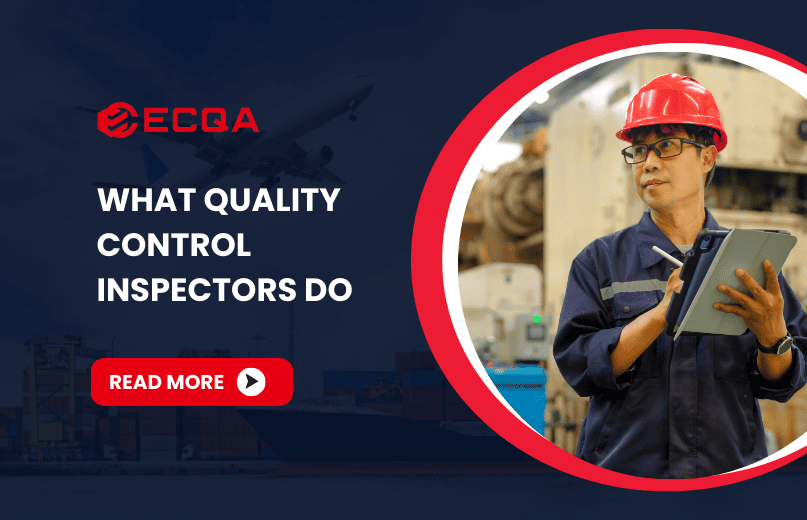
What Does a Quality Control Inspector Do
A quality control inspector is responsible for verifying that products meet defined specifications, regulatory requirements, and customer expectations before shipment or distribution.

Across industries such as manufacturing, electronics, textiles, food production, and consumer goods, quality control inspectors play an essential role in maintaining product consistency, reducing defects, and ensuring compliance with applicable standards.
From inspecting raw materials to approving finished products, quality control inspectors serve as a critical control point within the production process. Their work helps businesses prevent costly quality issues, improve customer satisfaction, and protect brand reputation.
What is a Quality Control Inspector?
A quality control (QC) inspector is a professional responsible for examining products and production processes to determine whether they comply with predefined quality standards and specifications.
These standards may include:
- Customer requirements
- Purchase specifications
- Industry standards
- Internal quality procedures
- Regulatory requirements
- International standards such as ISO, CE, ASTM, and FDA requirements
The primary objective of a quality control inspector is to identify defects and prevent non-conforming products from reaching customers.
Why Are Quality Control Inspectors Important?
Quality control inspectors provide an independent assessment of product quality and manufacturing performance. Their work helps businesses:
- Detect defects before shipment
- Reduce returns and warranty claims
- Improve product consistency
- Support regulatory compliance
- Protect brand reputation
- Improve customer satisfaction
- Minimize production waste and rework
Without proper inspection processes, defective products can lead to product recalls, financial losses, and damaged business relationships.
Key Responsibilities of a Quality Control Inspector
Raw Material Inspection
The inspection process often begins before production starts. Inspectors verify that incoming materials meet the required specifications and quality standards.
Typical checks include:
- Material specifications
- Supplier certifications
- Material appearance and condition
- Dimensions and measurements
- Compliance documentation
Early identification of material issues helps prevent downstream production problems.
In-Process Inspection
During production, inspectors monitor manufacturing activities to detect problems before large quantities of products are affected.
Typical activities include:
- Checking production procedures
- Verifying machine settings
- Monitoring workmanship quality
- Inspecting assembly processes
- Evaluating production consistency
This stage is commonly referred to as During Production Inspection (DUPRO).
Final Product Inspection
Final inspection takes place after production is completed and before shipment. It serves as the last opportunity to identify defects before products leave the factory.
Inspectors evaluate:
- Product appearance
- Workmanship
- Functional performance
- Packaging condition
- Labeling accuracy
- Product quantity
- Carton markings
Final inspections are commonly conducted using AQL sampling standards such as ISO 2859-1 and ANSI/ASQ Z1.4.
Product Testing and Measurements
Quality control inspectors use various tools and equipment to verify product specifications.
Common equipment includes:
- Calipers
- Micrometers
- Height gauges
- Coordinate Measuring Machines (CMM)
- Load testers
- Pressure gauges
- Color measurement instruments
- Electrical testing equipment
Accurate measurements help ensure products meet customer and regulatory requirements.
Defect Identification and Classification
When defects are identified, inspectors classify them according to severity.
Defects are generally categorized as:
- Critical defects
- Major defects
- Minor defects
Proper defect classification supports objective shipment decisions and effective corrective actions.
Documentation and Reporting
Quality control inspectors prepare reports that provide a clear picture of product quality.
Typical records include:
- Inspection reports
- Defect photographs
- Test results
- Non-conformance reports
- Corrective action reports
- Supplier performance records
Accurate documentation improves traceability and supports continuous improvement initiatives.
Typical Quality Control Inspection Process
A standard inspection process generally includes the following steps:
- Review product specifications and requirements.
- Verify production status.
- Select samples according to AQL requirements.
- Conduct visual inspections.
- Perform measurements and testing.
- Identify and classify defects.
- Document inspection findings.
- Approve or reject the production lot.
This structured process provides buyers and manufacturers with objective information about product quality.
Industries That Depend on Quality Control Inspectors
Manufacturing
Quality control inspectors ensure product consistency, durability, and compliance across sectors such as electronics, automotive, and consumer goods.
Food and Beverage
Inspection focuses on food safety, hygiene, packaging, and regulatory compliance through frameworks such as HACCP and ISO 22000.
Textiles and Apparel
Inspectors evaluate:
- Fabric quality
- Color consistency
- Stitching and workmanship
- Size and fit accuracy
Construction and Engineering
Inspectors verify material strength, structural integrity, and compliance with safety requirements.
Medical Devices and Healthcare Products
Inspection activities help ensure product safety, performance, and compliance with applicable regulations.
Essential Skills of a Quality Control Inspector
Attention to Detail
Quality control inspectors must identify small defects that could affect product quality or safety.
Technical Knowledge
Inspectors should understand:
- Product specifications
- Engineering drawings
- Manufacturing processes
- Testing methods
- Inspection equipment
Analytical and Problem-Solving Skills
Inspectors evaluate quality data, identify trends, and investigate the root causes of defects.
Communication Skills
Clear communication is necessary when reporting issues and coordinating corrective actions with production teams and suppliers.
Knowledge of Standards and Regulations
Quality control inspectors should be familiar with standards such as:
- ISO 9001
- ISO 2859-1
- ASTM standards
- EN standards
- FDA regulations
- CE requirements
Why Quality Control Inspection Matters
Reduced Defects and Waste
Early identification of quality issues minimizes rework and production losses.
Improved Product Consistency
Inspection activities help maintain consistent quality across production batches.
Better Customer Satisfaction
Reliable products reduce complaints and improve customer loyalty.
Enhanced Consumer Safety
Inspection prevents unsafe or defective products from reaching the market.
Regulatory Compliance
Quality control supports compliance with industry standards and legal requirements.
Stronger Brand Reputation
Consistent product quality builds trust and strengthens long-term customer relationships.
Quality control inspectors play an essential role in modern manufacturing and global supply chains. Their responsibilities extend beyond identifying defects. They verify compliance, improve production consistency, support regulatory requirements, and help businesses deliver products that meet customer expectations.
As supply chains become increasingly complex and quality expectations continue to rise, structured quality control inspection remains a critical component of effective quality management and long-term business success.

 Request Free Sample Report