

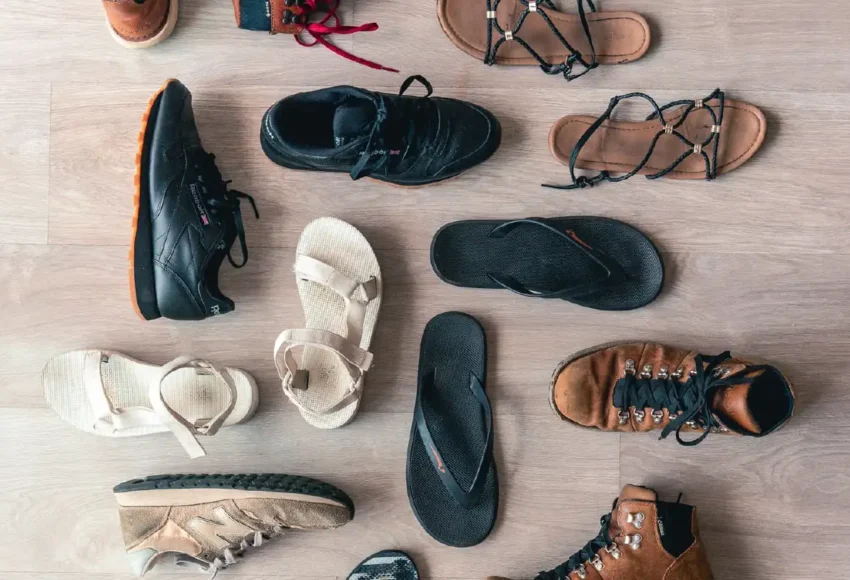
Footwear Inspection: Complete Guide to Quality Control and Inspection Standards
Footwear inspection is the process of evaluating shoes during and after production to verify workmanship, materials, measurements, construction, functionality, labeling, and packaging before shipment. It helps identify manufacturing defects, maintain product consistency, reduce returns, and verify that finished footwear meets approved specifications and buyer requirements.
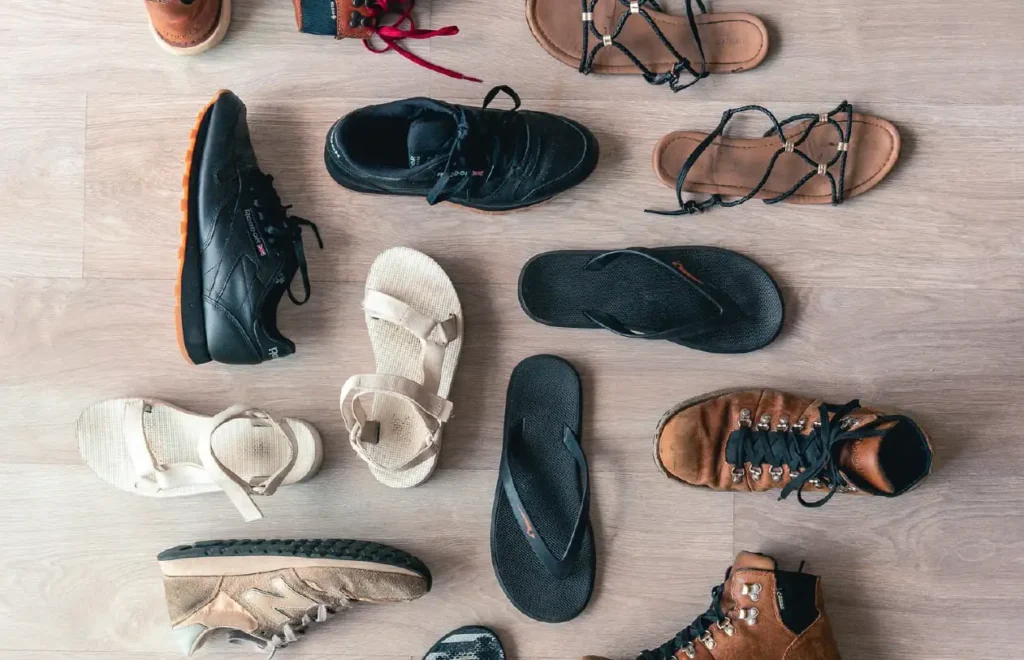
Footwear construction can involve leather, textiles, synthetic materials, rubber, EVA, adhesives, metal components, and other materials. Inspection criteria therefore vary according to the type of footwear, construction method, intended use, and quality specifications.
Why Footwear Inspection is Important
Footwear is exposed to repeated flexing, abrasion, pressure, moisture, and impact during normal use. Problems with stitching, bonding, sizing, materials, or assembly can affect appearance, comfort, durability, and product performance.
An effective footwear inspection program helps businesses:
- Verify product quality before shipment
- Identify workmanship and assembly defects
- Check size and measurement accuracy
- Verify materials and components
- Evaluate basic functional performance
- Reduce returns and customer complaints
- Maintain consistency across production batches
- Confirm compliance with buyer specifications
For importers and retailers, third-party inspection provides an independent assessment of finished footwear before goods leave the factory.
Types of Footwear Inspection
Footwear inspections can be conducted at different stages of production depending on the product, supplier performance, and level of quality control required.
| Inspection Type | Purpose |
| Pre-Production Inspection (PPI) | Verify materials, components, samples, and production readiness |
| During Production Inspection (DUPRO) | Monitor workmanship and assembly while production is in progress |
| Pre-Shipment Inspection (PSI) | Inspect finished footwear before shipment |
| Container Loading Supervision (CLS) | Verify quantities, packaging, container condition, and loading |
Using inspection at appropriate production stages helps identify quality problems before the entire order is completed.
Footwear Inspection Checklist
A footwear inspection normally evaluates several areas of product quality. Inspection criteria are typically based on approved samples, product specifications, purchase orders, size charts, packaging requirements, and buyer instructions.
Workmanship and Construction
Inspectors examine the overall construction and finishing of the footwear.
Typical checks include:
- Stitching quality
- Seam alignment
- Loose or broken threads
- Sole attachment
- Adhesive application
- Upper construction
- Heel attachment
- Toe shape
- Edge finishing
- Eyelet installation
- Lace condition
- Insole placement
- Lining construction
- Pair symmetry
The left and right shoes should have consistent shape, construction, color, and finishing.
Materials and Components
Footwear may contain multiple materials and components that need to match approved specifications.
Inspectors may verify:
- Upper material
- Lining material
- Outsole material
- Midsole material
- Insole
- Laces
- Eyelets
- Buckles
- Zippers
- Velcro fasteners
- Decorative components
- Logos and branding
Material appearance, texture, thickness, color, and construction may be compared with approved samples or technical specifications.
Measurements and Sizing
Incorrect sizing can result in poor fit, customer complaints, and high return rates.
Typical measurement checks include:
- Shoe length
- Insole length
- Outsole length
- Outsole width
- Heel height
- Shaft height for boots
- Opening circumference
- Strap length
- Lace length
Inspectors also verify size markings on the product, labels, retail box, and packaging to ensure that they correspond correctly.
Appearance
Visual inspection identifies cosmetic defects that affect the presentation of finished footwear.
Common checks include:
- Surface scratches
- Material stains
- Glue marks
- Color variation
- Shade differences
- Wrinkles
- Uneven finishing
- Printing defects
- Logo defects
- Deformation
- Surface dents
- Incorrect shape
Pairs are normally checked together because noticeable differences between the left and right shoe can make the product unacceptable even when each shoe has no major individual defect.
Sole and Bonding Quality
The bond between the upper and sole is a critical area in many types of footwear.
Inspectors typically check for:
- Sole separation
- Open bonding
- Excess glue
- Insufficient adhesive
- Uneven sole positioning
- Gaps between the upper and sole
- Poor edge bonding
- Sole deformation
Bonding problems can develop from inadequate surface preparation, incorrect adhesive application, insufficient curing, or poor production control.
Functional Checks
Functional checks help verify that footwear components operate correctly and the product performs as expected during normal handling.
Depending on the design, inspectors may check:
- Zipper operation
- Buckle function
- Velcro fastening
- Lace eyelets
- Snap fasteners
- Adjustable straps
- Removable insoles
- Closure systems
- Heel stability
- General flexibility
Shoes should also be checked for obvious internal protrusions, rough areas, or components that may affect normal use.
Labels and Packaging
Inspectors verify whether footwear is correctly labeled and packed according to approved requirements.
Typical checks include:
- Size labels
- Product labels
- Material information
- Country of origin marking
- Hang tags
- Barcodes
- Retail boxes
- Tissue paper
- Polybags
- Carton markings
- Product assortment
- Packing quantity
Product size, color, style number, barcode, and other identification information should be consistent across the footwear, retail packaging, and shipping cartons.
Common Footwear Defects
Footwear defects can develop during cutting, stitching, lasting, bonding, molding, finishing, or packaging.
Common defects found during footwear inspection include:
| Defect | Description |
| Sole Separation | Upper begins separating from the sole |
| Excess Glue | Visible adhesive around bonded areas |
| Open Bonding | Gaps between the upper and sole |
| Loose Stitching | Stitching is incomplete or insufficiently secured |
| Broken Stitches | Damaged or missing stitches |
| Material Stains | Dirt, oil, adhesive, or other visible marks |
| Color Variation | Inconsistent color between shoes or components |
| Surface Scratches | Visible damage to the upper or other surfaces |
| Deformation | Shoe shape differs from approved specifications |
| Uneven Sole | Sole is incorrectly positioned or shaped |
| Incorrect Size | Footwear dimensions or markings do not match specifications |
| Pair Mismatch | Left and right shoes differ in color, shape, size, or finishing |
| Logo Defect | Branding is missing, incorrect, or poorly applied |
| Packaging Error | Incorrect box, barcode, size marking, or assortment |
Early identification of these defects allows corrective action to be taken before shipment.
AQL Sampling for Footwear Inspection
Third-party footwear inspections commonly use Acceptance Quality Limit (AQL) sampling to determine the number of units selected from a production lot.
Inspectors randomly select samples and classify defects according to their severity.
| Classification | Description |
| Critical Defects | Safety or regulatory issues that make the product unacceptable |
| Major Defects | Defects likely to affect function, durability, saleability, or customer satisfaction |
| Minor Defects | Cosmetic or workmanship imperfections with limited impact on product use |
The acceptable number of defects depends on the AQL level agreed between the buyer and supplier.
Inspection specifications should also define how pairs are counted and how particular defects are classified.
Common Footwear Tests During Inspection
Basic on-site tests may be conducted during inspection according to the product type and buyer requirements.
Adhesion Check
Inspectors may check whether bonded components show signs of separation or weak attachment. More precise sole adhesion strength evaluation requires appropriate laboratory testing equipment and test methods.
Flexing Check
Footwear may be manually flexed to identify visible cracking, separation, or abnormal deformation.
Laboratory flexing tests can be used when a defined number of flexing cycles or specific performance standard is required.
Zipper and Fastener Check
Zippers, buckles, Velcro fasteners, and other closures may be operated repeatedly to verify proper function.
Symmetry Check
The left and right shoes are compared for differences in:
- Shape
- Height
- Color
- Stitching
- Sole position
- Component placement
Metal Detection
Metal detection may be required for certain footwear products or buyer specifications to identify broken needles or other unwanted ferrous metal contamination.
Footwear Testing and Safety Standards
Inspection evaluates finished product quality against defined specifications, while laboratory testing is used when footwear must meet specific safety, chemical, or performance requirements.
The applicable standards depend on the footwear category and destination market.
For example:
- ASTM F2413 covers performance requirements for protective footwear in the United States.
- EN ISO 20345 specifies requirements for safety footwear with protective toe caps.
- EN ISO 20347 covers occupational footwear without protective toe caps.
- REACH requirements may apply to restricted substances in footwear materials sold in the European Union.
Additional testing may cover:
- Slip resistance
- Sole adhesion
- Flex resistance
- Abrasion resistance
- Color fastness
- Tear strength
- Tensile strength
- Chemical substances
Testing requirements should be determined according to the footwear type, materials, intended use, buyer specifications, and destination-market requirements.
Common Footwear Inspection Equipment
Inspectors use different tools to verify footwear quality and specifications.
Typical equipment includes:
- Measuring tape
- Ruler
- Vernier caliper
- Digital weighing scale
- Size measuring tools
- Color reference standards
- Barcode scanner
- Metal detector where required
- Digital camera
- Inspection checklist
Additional equipment may be required when specific on-site tests are included in the inspection scope.
Best Practices for Footwear Quality Control
Footwear quality should be controlled throughout production because many defects become more difficult to correct after assembly and bonding are completed.
Recommended practices include:
- Approve materials before mass production
- Confirm pre-production samples
- Establish clear size specifications and tolerances
- Inspect cutting and stitching quality
- Monitor bonding and adhesive application
- Verify sole alignment during assembly
- Check left and right shoe consistency
- Conduct in-line inspections during production
- Perform final inspection before shipment
- Maintain clear defect classification standards
- Review recurring defects with suppliers
Combining factory quality controls with independent inspections helps improve consistency across production batches and identify recurring manufacturing problems.
Footwear inspection supports quality control by verifying workmanship, materials, sizing, appearance, functionality, labeling, and packaging before products are shipped. Conducting inspections at appropriate production stages helps identify manufacturing defects early and provides buyers with clearer information about finished product quality before shipment.

 Request Free Sample Report